



 Portugalista


Muutto toiseen EU-maahan oleskeluluvalla: pitkäaikainen oleskelu ja oikeutesi
Lyhyesti
Voitko siis muuttaa toiseen EU-maahan pysyvän oleskeluluvan kanssa? Jos olet EU-kansalainen, vastaus on kyllä – vapaasti, vaikkakin pysyvä oleskelulupasi ei siirry uuteen maahan, vaan sinun on rakennettava se uudelleen. Jos olet EU:n ulkopuolinen kansalainen, asia ratkeaa yhteen riviin korttisi kääntöpuolella.
Tiivistä artikkeli haluamallasi tekoälyllä:
Voitko muuttaa pysyvästi asumaan toiseen EU-maahan, jos sinulla on pysyvä oleskeluoikeus yhdessä EU-maassa? Se on yksi yleisimmistä kysymyksistä, joita ihmiset kysyvät sen jälkeen, kun he ovat vihdoin asettuneet aloilleen – ja rehellinen vastaus on se, jota kukaan ei halua kuulla: se riippuu siitä, millaista "pysyvää" oleskeluoikeutta sinulla on.
Tämä opas kertoo, mitä "pysyvä oleskeluoikeus" käytännössä antaa sinulle EU-maiden välisissä siirroissa, millä erolla kaikkeen vaikutetaan ja mitkä asiat muuttuvat sen mukaan, oletko EU-kansalainen vai EU:n ulkopuolinen henkilö. Siinä käydään läpi liikkuvuusoikeutesi, voitko työskennellä toisessa maassa, edellytykset ja tarvittavat asiakirjat, hakemusprosessi sekä vaihe vaiheelta etenevä menettelytapa.
Lopuksi opas kertoo, missä Portugalin ja Espanjan kohdalla tilanne on, sillä molemmissa maissa on erityinen reitti niille, jotka muuttavat toisesta EU-maasta, sekä selkeä ja toimiva lopputulos, jota voit hyödyntää päätöksenteossasi.
Sisällys9
- Voinko muuttaa toiseen EU-maahan? Lyhyt vastaus ensin
- Tämä yksi eroavaisuus muuttaa kaiken
- Mitä liikkumisoikeudet tarkoittavat?
- Voinko työskennellä toisessa EU-maassa?
- Mitkä ovat muuttoehdot?
- Mitä asiakirjoja tarvitsen muuttoa varten?
- Hakeminen toisen maan oleskelulupaan
- Miten muutto toiseen EU-maahan tapahtuu?
- Mistä täällä kompastutaan
Muuttaminen EuroopassaMaksuton
Keskustele kanssamme muutostasi
- Kerro ensin suunnitelmistasi
- Muuttoosi räätälöity neuvonta
- Varaa sinulle sopiva aika
4,8/51 500+ arvostelua
Voinko muuttaa toiseen EU-maahan? Lyhyt vastaus ensin
Se riippuu asemastasi, ja vastauksia on kolme hyvin erilaista. Oikeutesi muuttaa toiseen EU-maahan asumaan – ei pelkästään vierailulle – perustuu siihen, oletko EU-kansalainen, EU:n ulkopuolinen kansalainen, jolla on kansallinen pysyvä oleskelulupa, vai EU:n ulkopuolinen kansalainen, jolla on EU:n pitkäaikaisen oleskeluoikeuden status.
Vapaan liikkuvuuden oikeus on yksi asia, oleskeluoikeutesi toinen, eikä pysyvä oleskeluoikeus yhdessä maassa siirry automaattisesti seuraavaan.
Tässä koko artikkeli yhdessä taulukossa.
| Asemasi | Voitko muuttaa toiseen EU-maahan asumaan? | Mitä se tarkoittaa |
|---|---|---|
| EU-kansalainen (pysyvällä oleskeluoikeudella tai ilman) | Kyllä | Sinulla on vapaan liikkuvuuden oikeus asua, työskennellä, opiskella, etsiä töitä tai eläköityä missä tahansa EU-maassa. |
| EU:n ulkopuolinen kansalainen, jolla on EU:n pitkäaikaisen oleskeluoikeuden status | Kyllä, ehdoin | Voit hakea asumaan toiseen osallistuvaan EU-maahan työn, opiskelun, koulutuksen tai muun pätevän syyn vuoksi. Hakeudut sinne ja sinun on täytettävä siihen liittyvät vaatimukset. |
| EU:n ulkopuolinen kansalainen, jolla on vain kansallinen pysyvä oleskelulupa | Ei yleensä, ei automaattisesti | Oleskelulupasi on pysyvä siinä maassa, joka sen myönsi. Toiseen EU-maahan tarvitset yleensä uuden oleskeluoikeuden. |
| EU-kansalaisen perheenjäsen, joka on EU:n ulkopuolinen kansalainen | Ehkä, johdannainen oikeus | Oikeutesi perustuu yleensä EU-kansalaisen muuttoon tai asumiseen toisessa EU-maassa, jolloin sinä liityt heidän seuraansa. |
Tämän oppaan loppuosa pureutuu jokaiseen riviin, sillä sanan ”kyllä” ja ”ei yleensä” väliin jäävät erot voivat viedä ihmisiltä kuukausia.
Tämä yksi eroavaisuus muuttaa kaiken
Jos olet EU:n ulkopuolinen kansalainen, se yksittäinen seikka, joka ratkaisee oikeutesi liikkua maiden välillä, on se, kirjoittaako korttisi sanaa ”pitkäaikainen asukas – EU” vai pelkästään kansallisen lain mukaista pysyvää oleskelulupaa.
Ne kuulostavat vaihdettavilta. Niin ne eivät ole. Toinen avaa oven muihin EU-maihin. Toinen on erittäin hyvä lupa, joka pysähtyy rajan taakse.
Mikä on voimassa oleva oleskelulupa?
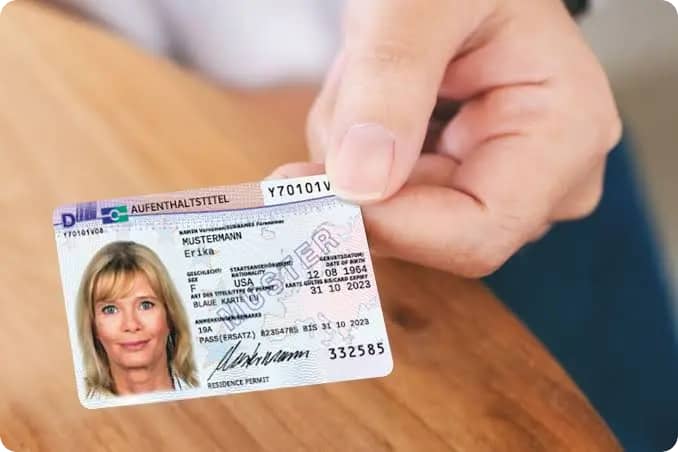
Oleskelulupa on kortti, jonka EU:n jäsenvaltio myöntää EU:n ulkopuoliselle kansalaiselle, jotta tämä voi asua maassa laillisesti, ja se noudattaa EU:n yhteistä muotoa.
Voimassa oleva oleskelulupa tarkoittaa nykyistä, aitoa korttia, jonka EU:n jäsenvaltio on myöntänyt ja joka on tuotettu EU:n yhtenäisen muodon mukaisesti asetuksen (EY) N:o 1030/2002 nojalla kortin haltijan biometristen tietojen kera. Oleskeluluvan tyyppi ratkaisee liikkumisen kannalta, ja tyyppi on painettu suoraan korttiin.
EU:n ulkopuolisille kansalaisille myönnettävissä oleskeluluvissa on kolme päätyyppiä:
- Kansallinen määräaikainen lupa, joka on sidottu tarkoitukseen, kuten työhön, opiskeluun, passiivisen tulon viisumiin tai digitaalisen nomadin reittiin. Useimmat ensimmäiset luvat ovat tätä tyyppiä.
- Kansallinen pysyvä tai pitkäaikainen lupa, joka myönnetään yhden maan omien lakien mukaan usean vuoden oleskelun jälkeen.
- EU:n pitkäaikaisen asukkaan oleskelulupa, joka myönnetään EU:n lain nojalla ja johon on merkitty sana ”pitkäaikainen asukas – EU” (voi olla kirjoitettu myös muodoissa Residente de longa duração – UE, Residencia de larga duración-UE, Soggiornante di lungo periodo – UE tai Daueraufenthalt-EU).
Hyödyllisin asia, jonka voit tehdä ennen muuttoa suunnittelemista, on lukea tarkat sanat omasta kortistasi. Tuo yksi rivi ratkaisee, mikä alla olevista osioista koskee sinua.
Kansallinen pysyvä oleskeluoikeus: vahva kotona, hiljaa ulkomailla
Kansallinen pysyvän oleskelun lupa antaa sinulle turvallisen, usein rajoittamattoman aseman, mutta vain siinä maassa, joka sen myöntää. Pysyvä osoittautuukin koti-ukoksi.
Oleskeluoikeus on kansallinen toimivalta, joten pysyvä lupa Portugalista, Espanjasta, Ranskasta, Saksasta tai mistä tahansa muusta maasta on pysyvä siinä maassa eikä automaattisesti anna oikeutta asua tai työskennellä toisessa EU-maassa.
Mitä se yleensä antaa: pitkäaikaisen tai rajoittamattoman oleskeluoikeuden kyseisessä maassa, vahvemman suojan karkottamista vastaan, helpommat uusinnat, pääsyn työhön ja palveluihin kansallisen lain mukaan sekä lyhyen Schengen-matkustusmahdollisuuden, jos kortin myöntänyt maa kuuluu Schengen-alueeseen.
Mitä se yleensä ei anna: automaattista oikeutta muuttaa toiseen EU-maahan, automaattista oikeutta työskennellä siellä eikä minkäänlaista pysyvän aseman siirtoa uuteen maahan.
EU:n pitkäaikaisen asukkaan status: lupa, jolla on rajat ylittävät oikeudet
EU:n pitkäaikaisen asukkaan status on tietty EU:n lain mukainen status EU:n ulkopuolisille kansalaisille, jotka ovat asuneet laillisesti yhdessä EU-maassa vähintään viiden vuoden ajan, ja se on ainoa, joka voi sisältää liikkumisoikeuksia.
Euroopan komissio kuvaa sitä turvalliseksi, pysyväksi aseman, joka myöntää oikeuksia, jotka ovat samankaltaisia kuin EU-kansalaisten oikeudet esimerkiksi työssä, koulutuksessa, sosiaaliturvassa sekä tavaroiden ja palveluiden saatavuudessa. Kriittisesti kyseessä on status, jonka EU on rakentanut mahdollistamaan ihmisten liikkumisen ja työskentelyn muissa jäsenvaltioissa.
Sen saamiseksi direktiivin 2003/109/EY mukaan tarvitset yleensä viiden vuoden laillisen, jatkuvan oleskelun, vakaat ja säännölliset tulot sekä sairausvakuutuksen, ja viranomaisten on päätettävä asiasta kuuden kuukauden kuluessa. Lupa on voimassa vähintään viisi vuotta ja uusiutuu automaattisesti. Tämä on status, joka muuttaa ”Asun täällä” sanan ”Ehkä voisin muuttaa sinne.”
Mitä liikkumisoikeudet tarkoittavat?
Liikkumisoikeutesi eroavat huomattavasti asemasi mukaan: EU-kansalaisilla on vapaa liikkuvuus, EU:n pitkään oleskelleilla on ehdollinen mahdollisuus muuttaa toiseen maahan ja hakea oleskeluoikeutta siellä, ja kansallisilla pysyvillä asukkailla ei ole kumpaakaan oikeutta pelkän kyseisen oleskeluluvan perusteella.
Liikkuvuudella tarkoitetaan tässä oikeutta saapua toiseen jäsenvaltioon ja asettua sinne asumaan. Tämä eroaa huomattavasti oikeudesta vierailla maassa.
Jos olet EU-kansalainen: vapaa liikkuvuus
EU-kansalaiset voivat muuttaa toiseen EU-maahan asumaan, työskentelemään, opiskelemaan, etsimään työtä tai eläkkeelle jäämään ilman erillisiä ehtoja. Vapaata liikkuvuutta koskevan direktiivin 2004/38/EY nojalla voit asua toisessa EU-maassa enintään kolme kuukautta pelkällä voimassa olevalla henkilökortilla tai passilla.
Yli kolme kuukautta kestävää oleskelua varten sinun on ehkä rekisteröidyttävä ja osoitettava oleskelusi peruste, esimerkiksi työntekijänä, itsenäisenä ammatinharjoittajana tai opiskelijana taikka henkilönä, jolla on riittävät varat.
Oletko muuttamassa Portugaliin? Oppaamme Saksasta muuttaville, Ranskasta, Italiasta ja Alankomaista muuttaville käyvät läpi rekisteröitymisen ja muuttoon liittyvät muut vaiheet vaihe vaiheelta.
Kun olet asunut uudessa maassa laillisesti ja yhtäjaksoisesti viisi vuotta, saat siellä pysyvän oleskeluoikeuden, jolloin oleskeluun liittyvät ehdot poistuvat kokonaan.
Muuttuuko pysyvä oleskeluoikeutesi mukanasi?
Ei. Pysyvä oleskeluoikeus ei siirry mukanasi. Jos sinulla on pysyvä oleskeluoikeus yhdessä EU-maassa EU-kansalaisena ja muutat toiseen maahan, et saa pysyvää oleskeluoikeutta heti.
Aloitat alusta vapaan liikkuvuuden sääntöjen mukaan ja kerrytät uudessa maassa viiden vuoden aikana oikeuden pysyvään oleskeluun. Huomioi myös vähemmän tunnettu päättymisehto: voit menettää pysyvän oleskeluoikeutesi, jos asut kyseisen maan ulkopuolella yli kaksi peräkkäistä vuotta. Pysyvä oleskeluoikeus on pysyvä, mutta ei siirrettävissä.
Jos sinulla on EU:n pitkään oleskelleen asukkaan asema
Yhdessä maassa pitkään oleskellut EU-asukas voi muuttaa toiseen EU-maahan yli kolmeksi kuukaudeksi työntekoa, opiskelua, koulutusta tai muuta pätevää syytä varten, kunhan hän hakee ja saa sieltä oleskeluluvan.
Et siirrä oleskelulupaasi. Haet oleskelulupaa toisesta maasta, täytät sen ehdot ja saat siltä uuden luvan. Kun olet asunut kyseisessä toisessa maassa viisi vuotta, voit saada sielläkin EU:n pitkään oleskelleen asukkaan aseman.
Tämä on todellista liikkuvuutta, mutta siihen perustuu hakemus eikä se tapahdu automaattisesti, kuten EU-kansalaisten vapaa liikkuvuus.
Missä tätä ei sovelleta: Irlanti ja Tanska
EU:n pitkäaikaisen oleskelijan liikkuvuus toimii lähes kaikissa jäsenvaltioissa, mutta siihen on kaksi pysyvää poikkeusta: Irlanti ja Tanska.
Molemmat jättäytyivät pitkäaikaista oleskelua koskevan direktiivin ulkopuolelle, joten älä oleta, että ”pitkäaikaisen oleskelijan – EU” -korttiasi kohdellaan niissä samalla tavalla. Irlanti ei myöskään kuulu Schengen-alueeseen, ja sillä on omat viisumisääntönsä, joten myös lyhyet vierailut edellyttävät erillistä menettelyä.
Katso kansallisia oleskelulupia koskevat oppaamme aiheista oleskeluluvat Irlannissa, Kyproksella ja Maltalla sekä Pohjoismaiden oleskeluluvat, myös Tanskan osalta.
Voinko työskennellä toisessa EU-maassa?
Yleensä oleskelulupa oikeuttaa sinut työskentelemään vain siinä maassa, joka sen myönsi. Toisen EU-maan työskentelyyn tarvitaan yleensä joko EU-kansalaisuus, EU:n pitkäaikaisen asukkaan liikkuvuus, EU Blue Card tai erityinen reitti, eikä pelkkä voimassa oleva oleskelulupa riitä.
Työoikeudet eivät ole sidoksissa muovikorttiin, vaan sinun asemaasi.
Jos olet EU-kansalainen
EU-kansalaisilla on täydet työoikeudet koko EU:ssa eivätkä he tarvitse työlupaa työskennellessään toisessa jäsenvaltiossa. Tämä on liikkuvuuden vahvin muoto, ja se toimii vertailukohtana kaikille muille asemille.
Jos sinulla on EU:n pitkäaikaisen asukkaan status
Voit työskennellä toisessa EU-maassa, mutta vain sen jälkeen, kun olet hakenut sinne ja saanut hyväksynnän, ja toinen maa voi edelleen asettaa ehtoja työmarkkinoille pääsylle.
"Pitkäaikainen asukas – EU" -status avaa oven työnhakemukselle, mutta se ei automaattisesti takaa työskentelyoikeutta jokaiseen maahan.
Pyyntö: työmarkkinatesti
Työnhakuun liittyen toinen maa saa tarkastella omia työmarkkinoitaan ja soveltaa omia sääntöjään ennen kuin sinulle myönnetään lupa työskentelyyn.
Joissakin maissa, kuten Espanjassa, noudatetaan edelleen kansallisia työlupavaatimuksia, jotka koskevat pitkäaikaisia asukkaita toisesta jäsenvaltiosta saapuessaan. Näin ollen pelkkä EU:n pitkäaikaisen asukkaan status ei välttämättä riitä, vaan maassa voidaan edelleen tarkistaa työmarkkinatilanne.
Yhden vuoden rajoitusaika
Kun olet saanut oleskeluluvan toisessa maassa, sinulla on oikeus tasa-arvoiseen kohteluun sen kansalaisten kanssa, vaikkakin joitakin työmarkkinoille pääsyn rajoituksia voi olla ensimmäisen vuoden ajan.
Ensimmäisen vuoden jälkeen nämä erityiset rajoitukset poistuvat. Kyseessä on hidastin, ei este, mutta se kannattaa ottaa huomioon, jos muutto riippuu työn aloittamisesta heti.
Jos sinulla on vain kansallinen pysyvä oleskelulupa
Kansallinen pysyvä oleskelulupa ei oikeuta työskentelemään toisessa EU-maassa. Vaikka se mahdollistaisi vapaaehtoisen työn kotimaassasi, se ei ulotu rajan yli työskentelyn osalta. Työskentelyyn muualla tarvitset kyseisen maan omat reitit.
Täydellisyyden vuoksi mainittakoon, että muutamat luvat sisältävät omat liikkuvuussääntönsä, kuten EU Blue Card korkeasti koulutetuille työntekijöille sekä ohjelmat tutkijoille, tietyille opiskelijoille ja yrityksen sisäisille siirtoihin. Nämä ovat työ- ja osaamisreittejä omine kriteereineen ja menettelyineen, eivät yleisiä oikeuksia, jotka liittyisivät jokaiseen oleskelulupaan, ja ne ovat eri aihe kuin pysyvä oleskelu.
Mitkä ovat muuttoehdot?
Jos muutat EU:n pitkäaikaisen oleskeluluvan perusteella, toinen maa voi edellyttää, että osoitat taloudelliset resurssit, sairausvakuutuksen sekä asumisen, ja se määrittää myös perheen muuttoon liittyvät ehdot.
Nämä ovat oleskeluoikeuteen ja -velvoitteisiin kuuluvia ehtoja, jotka ovat samankaltaisia kuin ne, jotka sinun oli täytettävä saadaksesi pitkäaikaisen oleskeluluvan ensimmäisessä maassa.
Rahalliset edellytykset ja terveyssuoja
Sinun odotetaan osoittavan vakaata ja säännöllistä tulovirtaa, jonka turvin pystyt elättämään itsesi ja perheesi ilman sosiaaliturvan varassa olemista sekä sairausvakuutuksen, joka kattaa kaikki riskit uudessa maassa.
Maat arvioivat resursseja niiden luonteen ja säännöllisyyden perusteella, ja jotkut maat edellyttävät myös integroitumistoimenpiteitä, kuten kielitaitovaatimuksen. Mikään tästä ei ole yllätys, jos olet jo suorittanut viiden vuoden oleskeluluvan ensimmäisessä maassa – kyseessä on sama logiikka, jota uusi viranomainen soveltaa uudelleen.
Perheen yhdistäminen
Perheenjäsenet, jotka olivat jo perhettäsi ensimmäisessä maassa, voivat muuttaa mukaasi, ja toinen maa myöntää heille omat oleskelulupansa.
Jos perhe ei ollut vielä muodostunut ensimmäisessä maassa, perheen yhdistäminen tapahtuu yleensä erillisenä hakemuksena kohdemaassa. Joka tapauksessa perheesi ei saa automaattisesti oleskelulupaa, vaan he saapuvat hakijoina, joiden tapaus on sidoksissa omaasi.
Sosiaaliturva ja tasa-arvoinen kohtelu
Kun olet saanut oleskeluluvan toisessa maassa, sinulla on oikeus tasa-arvoiseen kohteluun kansalaisten kanssa työelämässä, koulutuksessa, sosiaaliturvassa ja verotuksessa, huomioiden edellä mainitut työmarkkinoiden rajoitukset sekä muut mahdolliset maakohtaiset rajoitukset.
Tasa-arvoinen kohtelu on pitkäaikaisen oleskeluluvan todellinen etu. Se tekee paperityöstä vaivan arvoista.
Mitä asiakirjoja tarvitsen muuttoa varten?
Vähintään voimassa olevan passin tai matkustusasiakirjan, nykyisen oleskelukorttisi, josta asemasi käy ilmi, sekä toisen maan edellyttämät liiteasiakirjat, jotka on useimmissa tapauksissa toimitettava henkilökohtaisesti.
Koska EU:n oleskelukorteissa on biometrisiä tietoja ja EU:n uusi maahantulojärjestelmä tallentaa biometriset tiedot rajalla, varaudu siihen, että henkilöllisyytesi ja taustasi tarkistetaan huolellisesti digitaalisesti.
EU:n pitkäaikaisasukkaan toiseen maahan muuttoa varten tarvittaviin asiakirjoihin kuuluvat yleensä:
- Voimassa oleva passi tai matkustusasiakirja, jonka voimassaoloaikaa on riittävästi jäljellä.
- Ensimmäisen maan myöntämä oleskelulupakortti, jossa lukee ”pitkäaikaisasukas – EU”, tai oikeaksi todistettu jäljennös siitä.
- Rikosrekisteriote maasta, joka myönsi pitkäaikaisasukkaan aseman, asianmukaisesti laillistettuna.
- Selvitys toimeentulosta ja tarvittaessa asunto.
- Sairausvakuutus tai todistus siitä, että kuulut maan julkisen terveydenhuollon piiriin.
- Maan hakemuslomake ja todistus maksun suorittamisesta.
Kohdemaan ulkopuolelta peräisin olevat asiakirjat on yleensä käännettävä ja laillistettava tai varustettava apostille-todistuksella. Ja kyllä, useimmissa kohdemaissa sinun on haettava henkilökohtaisesti maahanmuuttovirastossa tai varatulla asiointiajalla, ja sinun on palattava myöhemmin noutamaan biometrinen oleskelukorttisi. Järjestelmä haluaa yhä nähdä kasvosi.
Hakeminen toisen maan oleskelulupaan
Haet määrämaassa sen virallisella hakemuslomakkeella ja teet sen pian: yleensä viimeistään kolmen kuukauden kuluessa maahantulostasi, ja määrämaa päättää määräajassa.
Kyseessä on uuden maan hallinnollinen menettely, eikä kyseessä ole vanhan luvan siirto, joten sen lomakkeet, maksut ja vaatimukset määräävät prosessin.
Hakemuksen muoto on kaikissa maissa yhteneväinen:
- Toimit hakemuksen määrämaan virallisella lomakkeella henkilökohtaisesti toimivaltaisessa maahanmuuttovirastossa sovitun ajanvarauksen mukaan.
- Liität hakemusvaatimukset: pitkäaikaisen oleskelulupakorttisi, passin, rikosrekisteriotteen, varallisuuden osoituksen, majoituksen sekä sairausvakuutuksen.
- Jotkin maat sallivat hakemisen jo ennen maahantuloa ensimmäisestä maasta käsin, mikä voi säästää kiireen maahan saavuttuasi.
- Viranomaisen on päätettävä määräajassa. Direktiivi rajoittaa toisen maan päätöksen neljään kuukauteen, ja kansalliset menettelyt voivat olla tätä lyhyempiä.
Jos jätät hakemusikkunan kolmeen kuukauteen, uuden maan laillinen oleskelusi voi vaarantua, vaikka pitkäaikainen status olisi peräisin jostain muualta. Aika alkaa siitä, kun saavut maahan, eikä se välitä siitä, että etsit vielä asuntoa.
Miten muutto toiseen EU-maahan tapahtuu?
Prosessi on seuraava: varmista asemasi, valitse kohdemaan oikea reitti, kerää ja laillista asiakirjasi, hae toiseen maahan kolmen kuukauden kuluessa, nouda oleskelulupakorttisi sekä rekisteröidy paikallisesti vero- ja sosiaaliturvavelvoitteisiin.
EU:n pitkäaikaiselle asukkaalle suunnatun liikkuvuuden osalta viisumia ei yleensä tarvita, mikä on yksi harvoista todella sujuvista osista.
Vaihe vaiheelta:
- Lue korttisi. Varmista, onko siinä merkintä "pitkäaikainen asukas – EU" vai pelkkä kansallinen pysyvä oleskelulupa. Tämä ratkaisee kaiken, mitä seuraa.
- Valitse reitti. Etsi kohdemaan erityinen reitti pitkäaikaisille asukkaille, jotka saapuvat toisesta jäsenvaltiosta, tai mikäli sinulla on pelkästään kansallinen lupa, normaali oleskelulupareitti, joka sopii tilanteeseesi (työ, itsenäinen ammatinharjoittaminen, passiivinen tulo, opiskelu, perhe).
- Kokoa asiakirjapaketti. Passi, pitkäaikaisen asukkaan kortti, oikeaksi todistettu rikosrekisteriote, varallisuuden ja asumisen todistukset, sairausvakuutus, käännökset sekä apostillit.
- Hae toisesta maasta. Kohdemaan virallisella lomakkeella henkilökohtaisesti, viimeistään kolmen kuukauden kuluessa maahan saapumisesta tai ennen saapumista, mikäli se on mahdollista.
- Nouda oleskelulupakorttisi. Hyväksynnän jälkeen saat uuden oleskeluluvan ja biometristen tietojesi jälkeen fyysisen kortin uudesta maasta.
- Rekisteröidy paikallisesti. Hanki paikallinen veronumero, rekisteröi osoitteesi sekä hoida sosiaaliturvaan liittyvät käytännön asiakirjat, jotka tekevät muutosta todelliseksi.
Mistä täällä kompastutaan
Joitakin kaavamaisia virheitä toistuu yhä uudelleen. Hyvä tietää, ennen kuin ne sinutkin yllättävät.
"EU:n kattava pysyvä oleskelulupa" -harhaluulo
Yleisin virhe on olettaa, että kansallinen pysyvä oleskelulupa oikeuttaa asumaan tai työskentelemään missä tahansa EU-maassa. Tämä on toistuva kysymys maahanmuuttajien foorumeilla ja Q&A-sivustoilla, ja vastaus on aina sama: pysyvä oleskelulupa on voimassa vain myöntänyttä maata koskien.
EU:n laajuista oikeutta tarjoava status on EU:n pitkään oleskelleen oleskelulupa, ja silloinkin vaaditaan hakemus toisessa maassa.
Deadline, joka mitätöi muuttohankkeesi
Kolmen kuukauden hakemusaika toisessa maassa on ehdoton määräaika, ei suositus.
Ihmiset pitävät muuttoa valmiina jo saapuessaan, mutta huomaavat vasta myöhemmin, että oleskelu uudessa maassa edellyttää ajoissa tehtävää hakemusta. Merkitse muistioon saapumispäiväsi ja aloita paperityöt heti.
Uudistus, joka ei vielä ole laki
Useat muuttoa käsittelevät sivustot kuvaavat ystävällisempää sääntöjoukkoa, kolmen vuoden polkua pitkään oleskeluun, työmarkkinatestin pois toisessa maassa sekä pidempiä sallittuja poissaoloja, ikään kuin ne jo olisivat voimassa. Näin ei kuitenkaan ole.
Euroopan komissio esitti pitkään oleskelleen direktiivin uudistamista vuonna 2022, mutta neuvoston ja parlamentin väliset neuvottelut ovat jumissa, eikä asiakirjaa ole hyväksytty.
Voimassa oleva laki on edelleen direktiivi 2003/109/EY, joka on muutettu vuonna 2011. Suunnittele nykyisten sääntöjen mukaan, ei niiden mukaan, jotka ovat vielä Brysselissä jumiutuneina.
Voitko siis muuttaa toiseen EU-maahan pysyvän oleskeluluvan kanssa? Jos olet EU-kansalainen, vastaus on kyllä – vapaasti, vaikkakin pysyvä oleskelulupasi ei siirry uuteen maahan, vaan sinun on rakennettava se uudelleen. Jos olet EU:n ulkopuolinen kansalainen, asia ratkeaa yhteen riviin korttisi kääntöpuolella.
Kansallinen pysyvän oleskeluluvan myöntäminen takaa sinulle pysyvyyden kotimaassasi ja mahdollistaa lyhytaikaiset Schengen-vierailut, mutta se ei siirry sinne, minne muutat. EU:n pitkäaikaisen oleskeluoikeuden status avaa kuitenkin todellisen mahdollisuuden asua ja työskennellä toisessa jäsenvaltiossa. Tällinkin hakemus tehdään toisessa maassa, sen ehtoja noudatetaan ja kolmen kuukauden määräaika on voitettava.
Selkein seuraava askel ei maksa sinulle mitään: lue oleskelulupakorttisi tarkat sanat. Jos siinä lukee "pitkäaikainen oleskeluoikeus – EU", sinulla on vaihtoehtoja, jotka kannattaa kartoittaa. Jos siinä lukee pysyvä oleskelulupa kansallisen lain mukaan, tarvitset todennäköisesti uuden reitin kohdemaassasi. Joka tapauksessa tästä me lähdemme liikkeelle.
Jaa tämä artikkeli







 MUUTTO EUROOPAN SISÄLLÄ