Living
OUR EXPERT
Brenda L.

Written by

Brenda.L

After completing her higher education, Brenda joined AnchorLess in 2023. She is an expert on relocation issues in Europe.
WHY YOU CAN TRUST ANCHORLESS
+10,000
Expats guided
1075

reviews noted 4.9/5

Table of contents

Christmas in Spain
Spanish Holidays
15/12/2025

Spanish Christmas: Local Festivities Unveiled

spanish christmas traditions

Forget what you know about a quiet Christmas Eve and a frenzied Christmas morning. As an expat resident in Spain Christmas will have different traditions and even an extended period.

To survive and thrive during a Spanish Christmas, you need to fundamentally reprogram your festive instincts. The emotional and celebratory weight is distributed differently, and understanding this is the key to unlocking the magic rather than feeling perpetually out of sync.

Here is what you need to know as an expat about how is the Christmas in Spain for local residents.

When does Christmas in Spain truly starts?

Before the main events, the entire country undergoes a gradual transformation. Understanding this build-up is key to appreciating the crescendo to come.

Lighting the lights

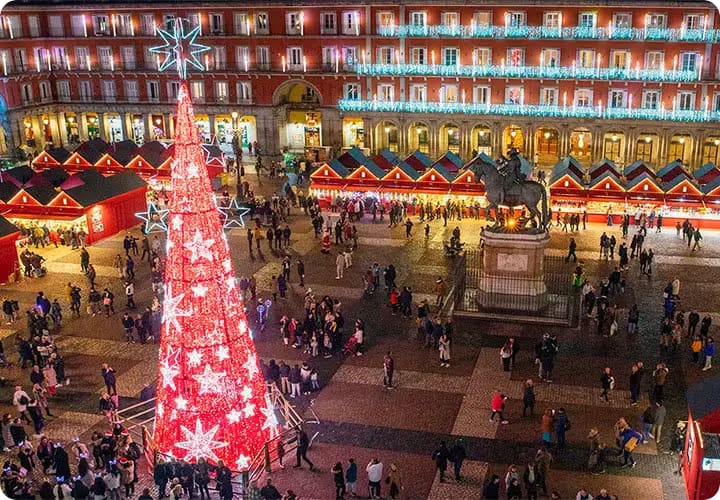
From the last week of November, Spain's streets begin to glow. This isn't just a few strings of lights; in major cities like Madrid, Barcelona, Málaga, and Vigo, it's a competitive spectacle of breathtaking artistry. The official "encendido" (lighting ceremony) is a major local event, drawing huge crowds and marking the psychological start of the season.

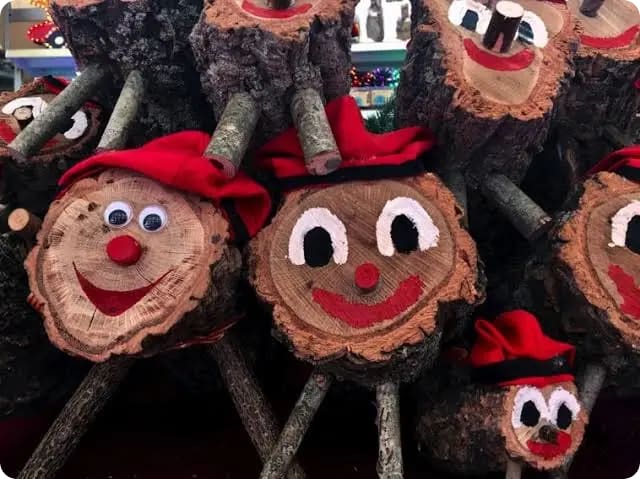
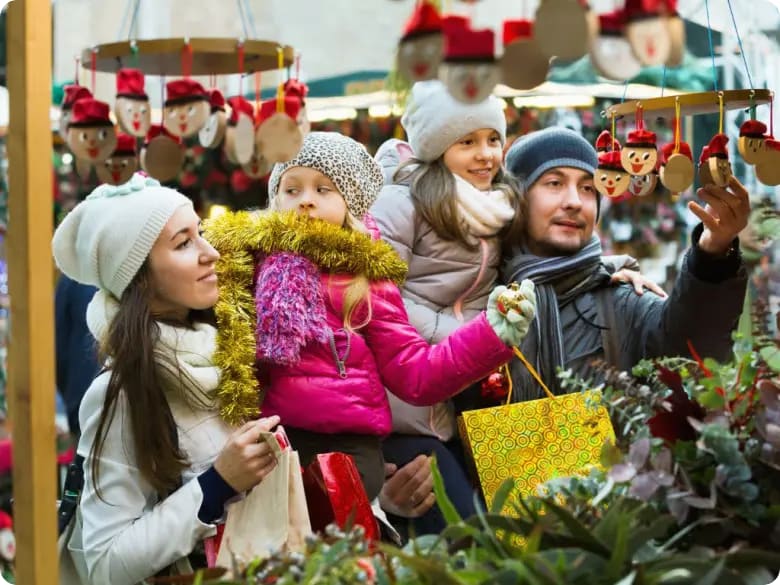
Simultaneously, Christmas markets (Mercados de Navidad) spring up in main plazas. These are not just for shopping; they are social hubs.

  • What you'll find: These markets specialize in three key areas:
  1. Figurines for the Belén: An endless array of characters, animals, structures, and accessories for the all-important Nativity scene.
  2. Christmas Sweets: Stalls selling ‘turrón’, ‘polvorones’, and marzipan in bulk.
  3. Zambombas and Panderetas: The traditional instruments for a proper ‘villancico’ sing-along. In recent years, you'll also find a growing number of German-style markets with mulled wine and crafts.

Spanish Christmas official start: ‘El gordo’

Christmas does not truly start until "The Fat One" sings. The Spanish Christmas Lottery is a foundational cultural ritual.

  • Social Contract: Weeks, even months, in advance, the process begins. A bar, an office, or a social club buys whole lottery tickets (billetes) and sells shares (décimos) of that number to its patrons and members. To refuse to buy your share is to risk social ostracism should that number win. It is a nationwide ritual of shared hope.
  • Spectacle of the Draw: On the morning of December 22nd, the nation stops. For hours, the children of Madrid's San Ildefonso school sing out the numbers and prizes in a distinctive, hypnotic chant. There is no slick TV host; there is only the pure, centuries-old tradition. The moment a major prize is announced, news crews scramble to the neighborhood that sold the winning ticket, capturing raw, explosive scenes of joy and spraying Cava. It is the official, emotional ignition of the Christmas holidays.
How is Christmas in Spain?

This 24-hour period is the heart of the celebration, but its rhythm is inverted compared to Anglo-Saxon traditions.

christmas traditions spain locals

December 24th: Nochebuena, the true Christmas

This is the undisputed climax of the Spanish Christmas. It is a night dedicated entirely to family and feasting.

Let's be unequivocally clear: Nochebuena is the main event. It is the Super Bowl, the grand finale, and the sacred family ritual all rolled into one. The 25th is the day of blissful, food-coma recovery. Internalizing this fact is the single most important step you can take.

  • Great Shutdown: From 4 PM, the quiet descends. The frantic energy vanishes as a national migration indoors begins. The metallic clang of shop shutters is the defining sound of the late afternoon. To be an expat without an invitation on this night is to understand true solitude.
  • The feast is a gastronomic marathon. ‘La Cena de Nochebuena’ is an epic.
  • Aperitivo: This can last for hours, fueled by conversation and the finest Spanish delicacies: freshly carved ‘jamón ibérico’, aged cheeses, and, most importantly, a lavish spread of seafood, shimmering platters of ‘langostinos’, crab, and other ‘mariscos’.
  • Main Courses: After moving to the table, the meal continues. A rich soup (’sopa de marisco’ is a classic) might precede the main event: a spectacular roast. In Castilla, this means cordero asado (roast lamb) or cochinillo asado (roast suckling pig) with crackling skin. On the coast, a whole baked fish often takes center stage.
  • Sobremesa and Sweets: The meal doesn't end, it transitions. The ‘sobremesa’ is the sacred art of post-meal conversation that can last until midnight. This is when the trays of sweets appear: hard and soft 'turrón', crumbly ‘polvorones’, and marzipan figures, all accompanied by coffee and digestifs like ‘Pacharán’ or brandy.
  • Spiritual tradition: Misa del Gallo. For many families, this feast is capped off by the "Mass of the Rooster" at midnight. Steeped in the legend of a rooster crowing at the moment of Christ's birth, this is a joyful, often packed-out community celebration. It is the spiritual anchor of the night, beautifully bridging the gap between familial feasting and communal faith.

It happens mainly within religious families, with the evening culminates in La Misa del Gallo (The Mass of the Rooster) at midnight. For less observant families, this time is filled with card games, board games, and children finally being allowed to open one small "token" gift to tide them over until the main event in January. The night is loud, long, and deeply communal.

Why there is a ‘Misa del Gallo’?

To truly understand Spanish Christmas, you must understand that the boisterous, food-filled family celebration of Nochebuena and the solemn, sacred observance of Christ's birth are not separate events.

They are deeply intertwined, and the Misa del Gallo is the beautiful, traditional bridge between the two.

Spanish Navidad traditions
Why "Mass of the Rooster"?

The name itself is steeped in tradition and symbolism. The literal translation is "The Rooster's Mass," and it comes from an ancient legend.

  • Legend: The story holds that a rooster was present in the stable in Bethlehem and was the very first creature to witness the birth of Jesus. Overcome with the significance of the moment, it let out a mighty crow at the stroke of midnight, becoming the first announcer, the first "preacher", of the good news to the world. Its crow pierced the darkness, heralding the arrival of the "light of the world."
  • Symbolism: The rooster is a powerful symbol of dawn, of new beginnings, and of vigilance. The Mass takes place at midnight, the darkest point of the night, and celebrates the birth that signifies a new dawn for humanity. The rooster's crow represents the victory of light over darkness, a central theme of Christmas. It also ties into the very spirit of the night, captured in the saying, ‘Esta noche es Nochebuena, y no es noche de dormir’ (Tonight is the Good Night, and it is not a night for sleeping).

How is the schedule for Christmas eve in Spain?

Imagine the scene. It is 11:30 PM on December 24th. The epic family dinner has been winding down for hours. The remnants of the seafood platters, the roast lamb, and the countless trays of ‘turrón’ and ‘polvorones’ cover the table. There's laughter, the clinking of glasses, and the happy noise of a family united.

So, a shift occurs. In more traditional households, someone will check the time and announce it's time to get ready for La Misa. This is the transition from the private, familial celebration to the public, communal one.

Family members put on their warm coats over their festive attire and step out of the warmth of their homes into the cold, quiet stillness of the midnight streets. The walk to the local parish church, often through dimly lit, empty streets, is a meditative moment, a palate cleanser between the feast and the faith.

How is the Misa del Gallo?

Do not picture a solemn, silent, sparsely attended service. A Spanish Misa del Gallo is often the opposite.

  • Atmosphere: The church is typically packed, standing-room only. There is a palpable buzz of shared joy and community spirit. It's less about hushed reverence and more about a collective, happy celebration. It feels warm and alive, beautifully decorated with candles and, most importantly, the church's main Belén (Nativity scene).
  • Congregation: It is a true cross-section of the community. You will see elegantly dressed grandparents, parents, and young adults, alongside sleepy children in their Christmas outfits, trying their best to stay awake. It's a chance to see and be seen, to exchange whispered "¡Feliz Navidad!" greetings with neighbors and friends across the pews before the service begins.
  • The Music, Heartbeat of the Mass: The music is central to the experience. While traditional hymns are sung, the real soul of the Misa del Gallo is found in the inclusion of traditional Spanish Christmas carols, ‘villancicos’. These are often folkloric, rustic, and deeply rhythmic, far from the gentle sound of "Silent Night." In some parishes, especially in rural areas, you might even hear the distinct sounds of a ‘zambomba’ (a friction drum) or a ‘pandereta’ (tambourine), instruments central to secular Christmas singing, being incorporated into the joyful noise of the Mass.
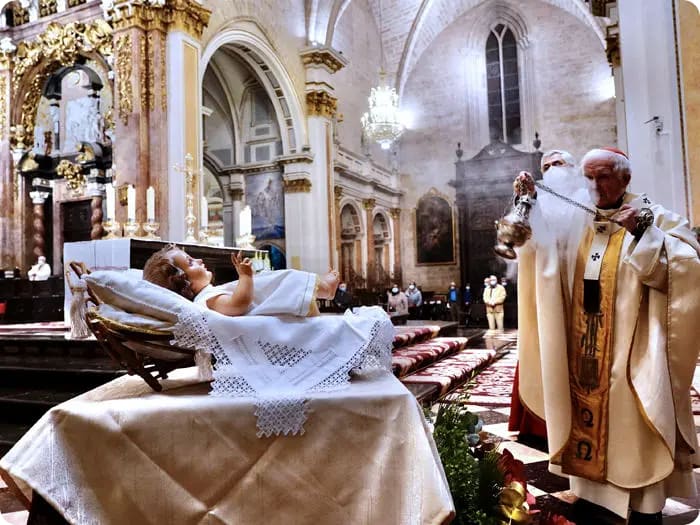
  • Climax of the Liturgy: There will be a sermon. But the most symbolic moment for many is when the priest, often at the end of the service, carries a figure of the baby Jesus in procession and solemnly places it into the manger of the church's Belén. This act signifies that Christmas has officially arrived.
spanish christmas traditions mass
After Misa del Gallo

When the mass concludes, around 1 AM, the celebration is still not over. People spill out of the church into the cold night air, but they don't rush home. The church plaza becomes a hub of activity, with more greetings, hugs, and well-wishes exchanged.

In older times, and still in some villages, groups would then walk the streets singing ‘villancicos’, carrying torches or instruments. A more common modern tradition might be for families or groups of friends to head home for one last ritual: a cup of thick hot chocolate and perhaps a final piece of ‘turrón’ before finally heading to bed in the early hours of Christmas morning.

For an expat, attending a Misa del Gallo, even if you are not religious, is one of the most profound cultural immersions you can experience. It is a window into the soul of a Spanish town, a place where family, faith, and community converge in a beautiful, joyful, and uniquely Spanish tradition.

December 25th: Navidad, Christmas say calm

Christmas Day is a peaceful, quiet national holiday, is the polar opposite of Nochebuena, a day for recovery and, of course, more eating.

The streets are even quieter than the day before. The morning is for sleeping in. There's no flurry of activity or frantic present-opening. The primary activity is recovering from the previous night's feast and preparing, slowly, for the next one.

  • Papá Noel Paradox: Critically for expats, Santa Claus is a recent import. While many children now receive a few small gifts from Papá Noel to tide them over, it is not the main gift-giving event. The big presents are traditionally from the Three Kings in the first week of January.
  • Leftover Feast: The ‘comida de Navidad’ (Christmas lunch) is another grand affair, often starring the magnificent leftovers from the night before, repurposed into beloved dishes like ‘Ropa Vieja’ (shredded meat hash) or cannelloni. The day is relaxed, slow, and dedicated to family.

Christmas day traditions in Spain

Christmas day feast

This meal is often just as large as the Nochebuena dinner, but it carries a more relaxed tone. The star of the show is often the magnificent leftovers, repurposed into new glory.

  • Ropa Vieja: In many homes, the leftover meat from the 'cocido' (a hearty stew) or roast is shredded and fried with garlic, onions, and chickpeas to create a delicious and comforting dish called ‘Ropa Vieja ‘(Old Clothes).
  • Sopa de Galets: In Catalonia, this is a must. A rich meat broth is served with enormous, shell-shaped pasta shells, sometimes stuffed with minced meat.
  • It's a day for comfort food, for finishing the good wine, and for another epic ‘sobremesa’.
Spanish Christmas Tradition

How is Christmas day gifting in Spain?

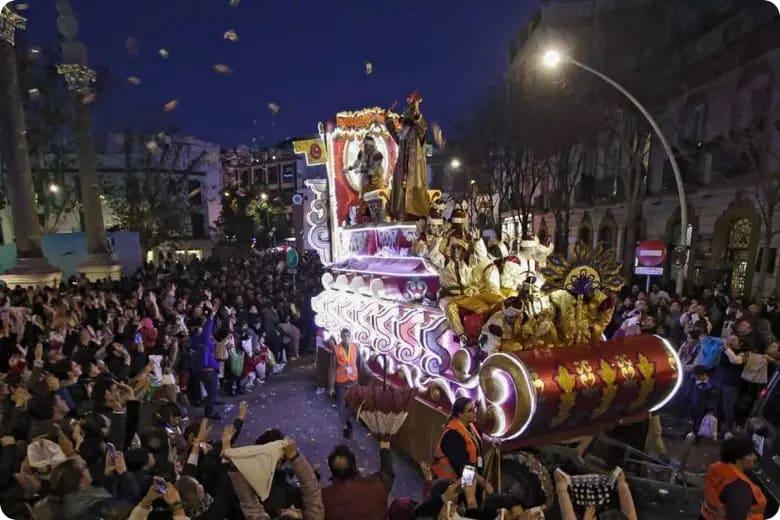
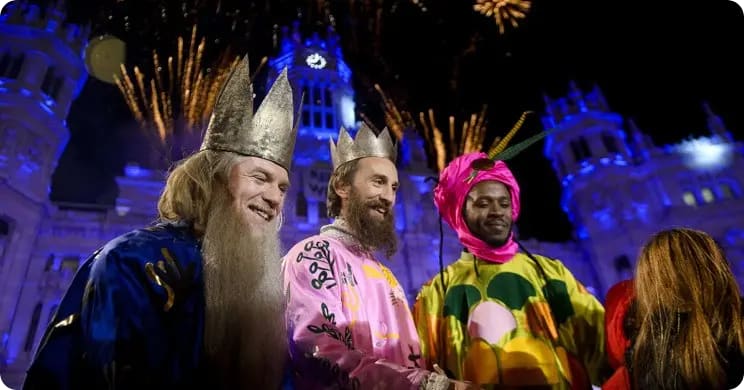
This is the most critical cultural point for an expat with a family to understand. Traditionally, Spain does not have Santa Claus. The gift-bringers are the Three Wise Men on January 6th.

However, globalization is a powerful force. Papá Noel has successfully invaded, creating a "hybrid model" in most households. This is what it looks like in practice:

  • On December 25th, children might receive a few small gifts from Papá Noel. This is often a strategy by parents to align with what their kids see in movies and what their friends in other countries experience, and to break up the long wait until January.
  • It is NOT the main event. You will not see a huge pile of presents under the tree. The big-ticket items, the most desired toys, are almost always reserved for the Kings.
  • Expat Parent Advice: Avoid replicating a full-blown Anglo-Saxon Christmas morning on the 25th. You'll be out of sync with the local culture and your kids' friends. Embrace the hybrid model: a few "starters" from Papá Noel, and build the real anticipation for ‘Los Reyes Magos’.


In essence, the 24th is for extravagant celebration, and the 25th is for leisurely continuation. By embracing this rhythm, you'll feel the authentic pulse of a Spanish Christmas.

Share this article

Share this article

Join a community of 10,000+ expats
Get the weekly tips, success stories, and step-by-step guides we share with our members to make their move a success.
Star Trustpilot
Star Trustpilot
Star Trustpilot
Star Trustpilot
Star Trustpilot
I love AnchorLess! They have been fantastic for my move to Portugal with the NIF, checking account, lawyer and tax consultation. I will be happy with when this process is over, but at least the journey has been smoother with them.
LD
Lisa D
From South Africa
Star Trustpilot
Star Trustpilot
Star Trustpilot
Star Trustpilot
Star Trustpilot
Guilherme was the best! I had so many questions and moving parts and he was responsive, always professional, and went above and beyond to help me with everything! He is a PRO!!!!
DS
Debra Savage
From The United States

Our readers also viewed

holidays in spain traditions
December
Holidays
15/12/2025
December' Holidays Traditions in Spain
Explore Spain's rich holiday traditions this December. Discover unique festive customs across the co...
Brenda
Brenda
Content Manager

More than a blog, an ecosystem

AnchorLess team
Webinars Hub

Join our free webinars and get concrete answers to your most pressing relocation questions.

conversation

Community

Connect with thousands of current and future expats. You're not alone on this journey.

AnchorLess partner

Partners

Insurance, housing: we've hand-picked and vetted the best services, so you don't have to.

Beach Portugal

Start your new life in Europe

Turn relocation stress into success with AnchorLess.

Relocating to Europe made simple.

Start to relocate now

Arrow icon
Talk to us for free
AnchorLess support team
4.9/5 Excellent
Star
Star
Star
Star
Star
Logo AnchorLess

AnchorLess is not a bank, accounting, tax, investment, or legal advisor. We serve as an intermediary, streamlining your access to accredited financial and legal professionals for your relocation in Europe.

Instagram icon
Facebook icon
Reddit icon
Linkedin icon
Amex logo
Visa logo
Mastercard logo
& more
Pay 4X free of charge with
Klarna logo

🇵🇹 MOVE TO PORTUGAL

Arrow

Services

Guides

🇪🇸 MOVE TO SPAIN

Arrow

Services

Guides

Resources

AnchorMove

Terms and conditions

Privacy Policy

Disclaimer Policy

© 2022 - 2025 anchorless.io, all rights reserved.