December Holidays in Spain: Traditions, Dates and Festivities
In short
By embracing these traditions, you'll not only survive your Spanish Christmas, you'll experience its full, chaotic, and heartwarming magic. ¡Felices Fiestas
Living in Spain as an expat and ready to celebrate December’ holidays? First, erase the idea of a simple, 48-hour Christmas celebration. The Spanish festive season, known collectively as ‘La Navidad’, is a marathon that begins in earnest in late November and doesn't officially conclude until the last crumb of cake is eaten on January 6th.
It is a period defined by distinct phases, intense family obligations, unique regional peculiarities, and a truly epic amount of food. To enjoy it is to understand its unique rhythm.
The marathon of Spanish Christmas is supported by several key pillars. They are fundamental to the experience life as a resident in Spain.
When and how holidays in Spain start?
Before the main events, the entire country undergoes a gradual and deliberate transformation. This build-up is key to appreciating the crescendo to come.
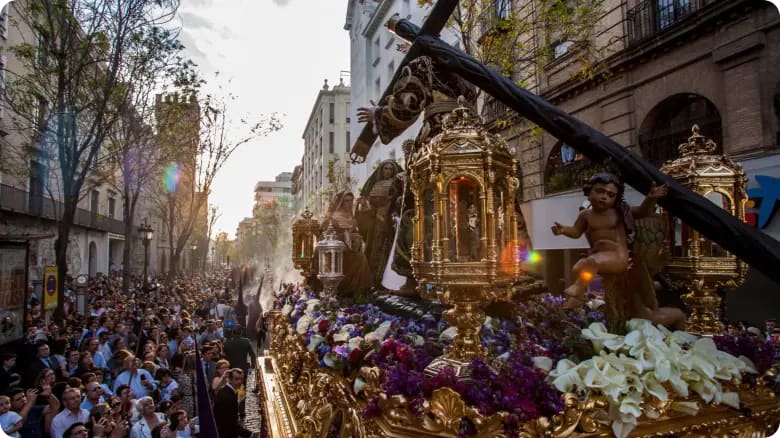
The festive spirit awakens in Spain long before Christmas Eve. The official start date is considered December 8th, the Feast of the Immaculate Conception, a national holiday that sees cities like Seville host impressive celebrations.
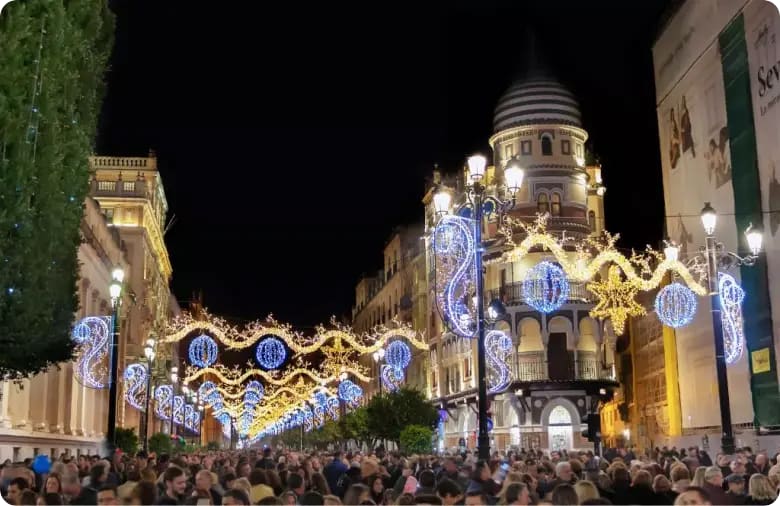
- Spectacle of Lights and Markets: From late November, Spanish streets are transformed into works of art. Cities engage in a friendly competition of light displays, creating a magical atmosphere for evening strolls. Christmas markets (’Mercados de Navidad’) spring up in town squares, becoming social hubs that sell three essential items: figures for the Nativity scene, traditional Christmas sweets, and the percussive instruments needed for a proper carol sing-along.
- Heart of the Home: El Belén. More central to the Spanish Christmas than a tree is the ‘Belén’, or Nativity Scene. These are not modest mantelpiece displays; they are expansive, detailed recreations of Bethlehem. They include not only the Holy Family but entire miniature villages with bakers, shepherds, and often intricate details like flowing rivers. Many towns host contests for the best ‘belén’, and families make special outings to see these masterpieces.
- Feast of the Immaculate Conception (December 8th): For many, this national holiday is the true start of the religious Christmas season. It’s a day marked by church services and, in cities like Seville, beautiful and ancient traditions like the ‘Baile de los Seises’ (Dance of the Sixes) in the cathedral.
- El Gordo, a Christmas Lottery (December 22nd): Christmas does not truly start until "The Fat One" sings. The Spanish Christmas Lottery is a foundational cultural ritual. It is not a private gamble but a deeply social act where offices, bars, and families share numbers. On the morning of the 22nd, the country stops. For hours, the nation is transfixed by the live broadcast of children from Madrid's San Ildefonso school singing out the winning numbers in a hypnotic chant. When a major prize is announced, news crews show scenes of pure, uncorked joy and Cava spraying in the streets of the winning town. This is the emotional ignition for the entire holiday period.
What is ‘El Gordo’ in Spain?
The true, unofficial start to the Christmas frenzy is El Gordo ("The Fat One"), the Spanish Christmas Lottery. Held every year since 1812, it is one of the world's biggest and oldest lotteries.
What makes El Gordo unique is its communal spirit. Tickets are expensive, so they are often sold in tenths (décimos) and shared among family, friends, colleagues, or even entire towns.
On the morning of the draw, the nation stops to watch schoolchildren sing out the winning numbers in a now-iconic chant. This isn’t just about money, it's about hope, tradition, and the powerful sense of togetherness that defines the season.
How is Christmas in Spain?
This 24-hour period is the absolute heart of the celebration, but its rhythm is inverted compared to many other cultures.
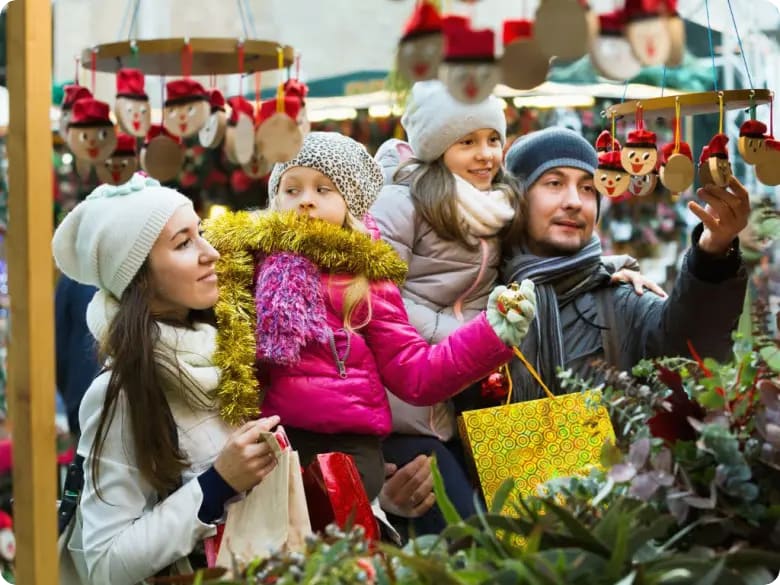
- December 24th: Nochebuena This is the undisputed climax of the Spanish Christmas. It is a night dedicated entirely to family and feasting. From late afternoon, a palpable shift occurs as the country shuts down and heads indoors. The feast, ‘La Cena de Nochebuena’, is a gastronomic epic. It begins with a long ‘aperitivo’ of the finest ‘jamón ibérico’, cheeses, and a lavish spread of seafood (mariscos). This is followed by a main course, which in the interior is often a spectacular roast lamb (cordero asado) or suckling pig (cochinillo asado), while on the coasts, a large baked fish is common. The meal is followed by the sacred art of the ‘sobremesa’, lingering at the table for hours with trays of sweets like ‘turrón’ and ‘polvorones’, coffee, and digestifs. For many families, the night culminates in the midnight Misa del Gallo (Mass of the Rooster), a joyful, community-filled church service.
- December 25th: Navidad Christmas Day is a peaceful, quiet national holiday for recovery and, of course, more eating. The main event is the Christmas Day lunch, ‘la comida de Navidad’, which is often as substantial as the dinner the night before but more relaxed, frequently starring magnificent leftovers repurposed into beloved dishes like ‘Ropa Vieja’ (shredded meat hash). For children, the Papá Noel Paradox is key: he is a recent import. While many kids get a few small gifts, it is not the main event. The big presents are traditionally from the Three Kings.
What happens after Christmas in Spain?
- San Esteban (December 26th): In some regions, notably Catalonia and Valencia, this "Second Christmas Day" is another public holiday. It’s a day for another family meal, famously featuring cannelloni made from the leftover meat of the Christmas stews and roasts.
- Día de los Santos Inocentes (December 28th): This is Spain's equivalent of April Fools' Day. Derived from the biblical story of the Massacre of the Innocents, its modern incarnation is a day for pranks (inocentadas). Newspapers print fake headlines, TV shows run absurd stories, and friends try to trick each other. If you fall for one, you'll be met with a gleeful shout of "¡Inocente, inocente!".
- Nochevieja, aka, The Old Night (December 31st): New Year's Eve is a major celebration, culminating in one of Spain's most famous traditions: Las doce uvas de la suerte (The twelve lucky grapes). As the clock strikes midnight, broadcast nationally from Madrid's Puerta del Sol, every Spaniard attempts to eat one grape for each of the 12 chimes. It's a frantic, hilarious challenge said to bring 12 months of good luck. This is followed by a toast with Cava and all-night parties (cotillones) that often end with breakfast of chocolate con churros on the way home.
How is the fools’ day in Spain?
Be on high alert on December 28th. This is the ‘Día de los Santos Inocentes’ (Day of the Holy Innocents), Spain's equivalent of April Fools' Day. The day commemorates the biblical story of King Herod's massacre of baby boys, but its modern incarnation is all about practical jokes (bromas).
- What to Expect: Friends, family, and even the media get in on the fun. Newspapers and TV news broadcasts will run absurd, fake stories. Don't be surprised if a friend tells you a wildly unbelievable story with a straight face. If you fall for a prank, the perpetrator will gleefully shout, "¡Inocente, inocente!"
- Regional Extreme: In the town of Ibi (Alicante), they take it to another level with the "Els Enfarinats" festival, a 200-year-old tradition where a group of men stage a mock coup, pelting each other with flour and eggs.
How is the new year’s celebration in Spain?
New Year's Eve, or Nochevieja ("The Old Night"), is a major celebration, but with a uniquely Spanish twist that happens in the final seconds of the year.
Spain has a unique and famous way of welcoming the New Year. At the stroke of midnight, the entire country partakes in Las Doce Uvas de la Suerte (The Twelve Lucky Grapes).
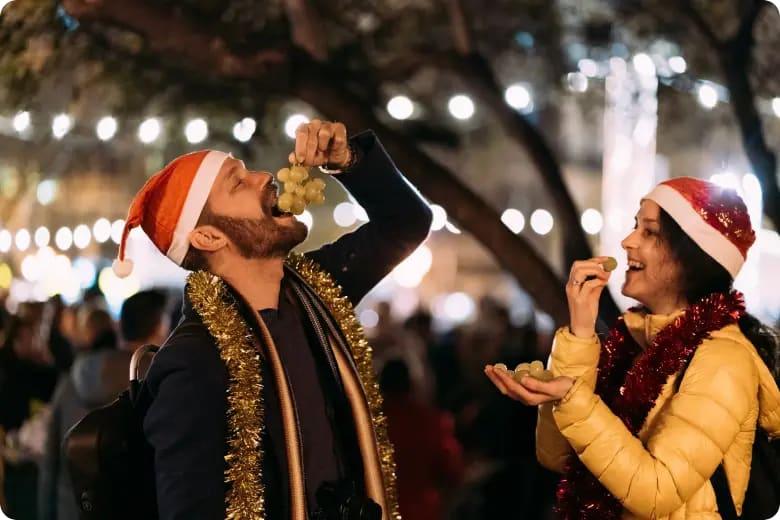
- Tradition of the Twelve Grapes: As midnight approaches, Spaniards gather in front of televisions or in their town's main square. The focus is on the clock tower, with the most famous broadcast coming from the Puerta del Sol in Madrid. As the clock strikes the twelve chimes of midnight, you must eat one grape for each chime.
- Goal: Successfully eating all twelve grapes is said to bring you a year of good luck and prosperity. It is much harder than it sounds.
- Expat Hack: Don't be a rookie. Buy a pack of small, seedless grapes specifically sold for the occasion. Many locals peel them beforehand to make it easier. The frantic chewing and muffled laughter as everyone tries to keep up is a classic Spanish New Year's experience. After the grapes, the cava is uncorked, and parties often last until sunrise.
The tradition dictates you must eat one grape for each of the twelve chimes of the clock tower bell. Successfully completing the challenge is said to bring twelve months of good luck and prosperity. Instead of champagne, Spaniards toast with Cava, a sparkling wine primarily from Catalonia.
When is gift giving in Spain?
For Spanish children, this is the most anticipated and magical moment of the year.
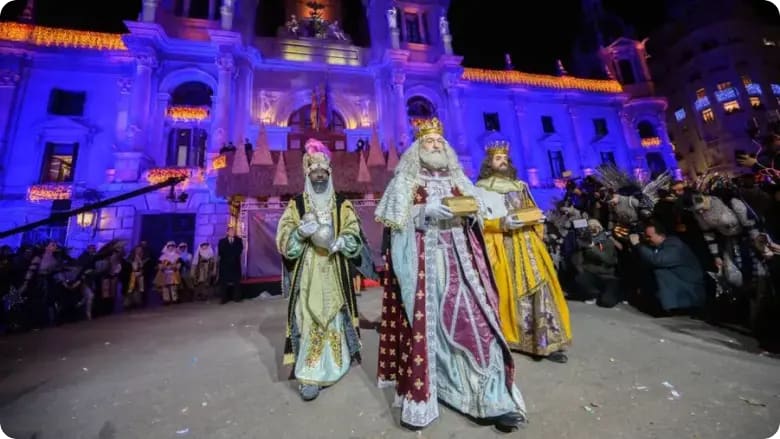
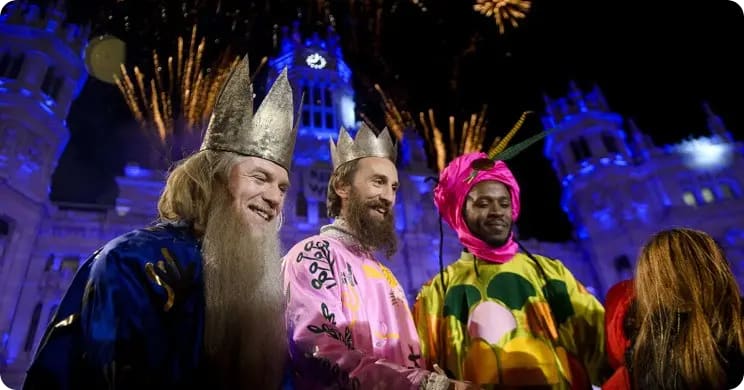
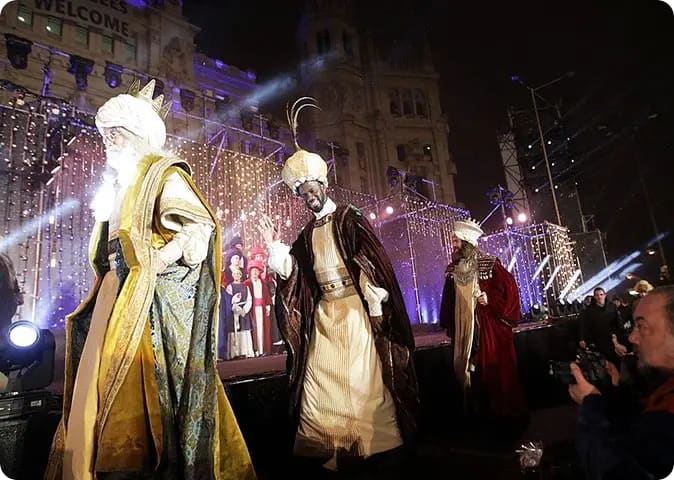
- La Cabalgata de los Reyes Magos (January 5th): On the eve of Epiphany, every city and town in Spain hosts a spectacular parade. The Three Wise Men, Melchior, Gaspar, and Balthazar, ride on magnificent floats, accompanied by performers and royal pages, throwing literally tons of sweets into delirious crowds of children. That night, children leave their polished shoes in a visible spot, along with refreshments for the Kings and their camels, hoping they will be filled with presents.
- Día de Reyes (January 6th): This is the traditional day for gift-giving in Spain. Children wake up to find their shoes overflowing with the presents they asked for in their letters to the Kings. The day is a national holiday, celebrated with another family feast that must conclude with the Roscón de Reyes. This ring-shaped sweet bread, adorned with candied fruits like "jewels" on a crown, contains two hidden items: a small king figurine and a dry fava bean. This cake marks the official, sweet end of the long Spanish Christmas season.
How is the Los Reyes Magos celebrations in Spain?
For many Spanish families, especially those with children, this is the true climax of Christmas. Forget Santa Claus; the main event is the arrival of the Three Wise Men: Melchior, Gaspar, and Balthazar.
- January 5th - La Cabalgata de Reyes: On the evening of January 5th, every city and town holds a spectacular parade, the Cabalgata de Reyes. The three kings ride on elaborate floats, waving to the crowds and throwing handfuls of sweets (caramelos) to the squealing children below. It's a magical, noisy, and unmissable spectacle.
- The Night of January 5th: Before going to bed, children leave their polished shoes in a prominent place, hoping the Kings will fill them with presents. They also leave out snacks for the kings (like 'turrón' and a glass of cognac) and water for their tired camels.
- The Morning of January 6th - The REAL Christmas Morning: Children wake up on the Día de Reyes to find their presents. This is Spain's traditional gift-giving day. The holiday is celebrated with another family feast, which must include the Roscón de Reyes. This ring-shaped sweet bread, decorated with "jewels" of candied fruit, contains two hidden items: a small figurine (the person who finds it is crowned "king" or "queen" of the day) and a dry fava bean (the unlucky person who gets the bean has to buy the Roscón the following year).
How are the regional holidays’ traditions in Spain?
A Christmas in Barcelona feels distinctly different from one in Bilbao or Seville. While the national traditions provide a common framework, the regional customs are what give the Spanish holiday season its incredible depth and character.
This is where you move from being an informed visitor to a true connoisseur of Spanish culture.
Holidays traditions in Catalonia
Catalonia is home to perhaps the most famously peculiar and beloved Christmas traditions in all of Spain. They are ancient, earthy, and a source of immense regional pride.
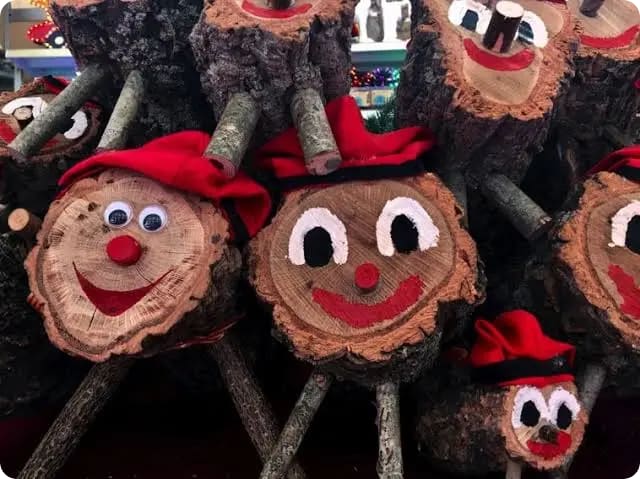
- The Caga Tió ("The Pooping Log"): This is a Christmas character unlike any other.
- Ritual: Starting on December 8th (The Feast of the Immaculate Conception), a small log with a smiling face painted on one end, propped up on two little legs and wearing a traditional red 'barretina' cap, is brought into the home. Every evening, the children "feed" it small morsels of food (orange peel, nuts, bread) and cover it with a blanket to ensure it stays warm.
- Climax: On Christmas Eve or Christmas Day, the moment of truth arrives. The children gather around the log, armed with sticks. They proceed to beat the log while singing a traditional song, which generally implores the log to "poop" out sweets. A sample lyric translates to: "Poop log, poop turrones, hazelnuts and cottage cheese. If you don't poop well, I'll hit you with a stick!"
- "Gifts": After the song and the beating, the children reach under the blanket to find that the Tió has "excreted" a pile of small treat, not the main Christmas presents, but sweets, 'turrón', nuts, and other small goodies to be shared. When a final, unappealing item appears (like a head of garlic or an onion), the children know the log is "empty."
- Meaning: The Caga Tió is a wonderful remnant of pre-Christian, pagan winter solstice rituals. It represents a "Yule Log" tied to the hearth, home, and nature's abundance, promising sustenance and sweetness through the coldest part of the year.
- El Caganer ("The Crapper"): As mentioned before, this small, squatting figure is a non-negotiable part of any Catalan 'Belén' (Nativity Scene). It represents the idea that all life, even in the most sacred moments, has its humble and earthy aspects. It is a symbol of fertility, good fortune (fertilizing the earth), and a touch of rebellious, leveling humor.
Holidays traditions in Basque Country
In the Basque Country, the primary Christmas gift-bringer is not Papá Noel or the Three Kings, but a figure deeply rooted in the region's mythology and rural identity.
- Olentzero: This beloved character is a portly, kind-hearted charcoal-burner who lives in the mountains. He is often depicted as being a bit scruffy, wearing traditional peasant clothes, smoking a pipe, and sometimes stained with charcoal dust. He represents a connection to the Basque land and its ancient traditions. On the night of December 24th, Olentzero comes down from the mountains to visit the towns and villages, leaving presents for all the good children. In many places, he is now accompanied by his partner, Mari Domingi, ensuring a more balanced representation. The parades on Christmas Eve, featuring Olentzero, are a major event in the region.
Holidays traditions in Galicia
In the misty, green northwestern corner of Spain, a once-fading tradition has seen a major revival as a symbol of unique Galician culture.
- O Apalpador ("The Palpater" or "The Feeler"): This mythical figure is a giant charcoal-burner who descends from the mountains of the Cebreiro and O Courel on the nights of December 24th or 31st. His purpose is not just to leave gifts. He quietly enters the homes and gently ‘apalpa’ (pats or feels) the bellies of the sleeping children to check if they have eaten well throughout the year. He then leaves them a handful of chestnuts (castañas), wishing them a coming year filled with food and abundance, and perhaps a small handmade wooden toy. O Apalpador embodies a deep connection to the earth, the importance of sustenance, and the well-being of the community's children.
Holidays traditions in Andaluzia
While Andalusia shares many national traditions, its unique Christmas contribution is more auditory and communal than character-based.
- La Zambomba de Jerez: The ‘zambomba’ (friction drum) is used throughout Spain, but in Jerez de la Frontera (Cádiz), it is elevated to the central pillar of the Christmas celebration. The "Zambomba" is not just the instrument; it is the event itself. From the beginning of December, neighborhoods, religious brotherhoods (hermandades), and flamenco clubs (peñas) host nightly gatherings. People form a circle around a bonfire, passing around glasses of local sherry and taking turns leading ‘villancicos’ to the hypnotic, rhythmic pulse of the zambomba. It is a deeply social, spontaneous, and joyous form of musical celebration that is the true sound and soul of Christmas in this part of Spain.
By embracing these traditions, you'll not only survive your Spanish Christmas, you'll experience its full, chaotic, and heartwarming magic. ¡Felices Fiestas
Share this article