Portugal President: Key Insights for Expats
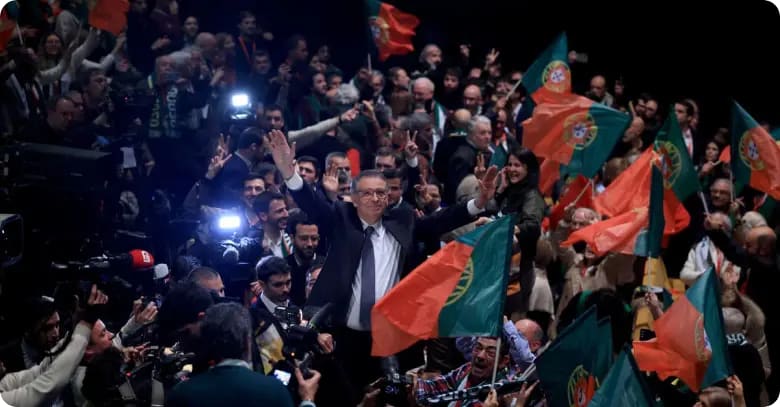
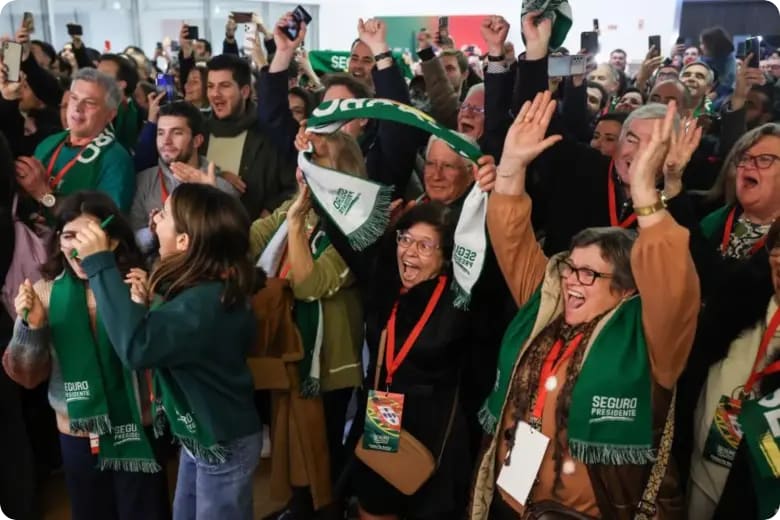
Lisbon — Portugal elected António José Seguro as President on Sunday, February 8, 2026, in a decisive runoff win over André Ventura of the far-right Chega party. With counting near completion, Seguro finished at roughly 66.7%, Ventura at 33.3%.
For expats, the headline is simple: Portugal chose a “stability + moderation” president, but a third of voters backed a hard-right, anti-immigration candidate. That combination will shape politics and public debate in 2026, even if it doesn’t rewrite visa rules overnight.
What happened in the runoff?
- Seguro won by a landslide, helped by a broad “stop Ventura” coalition that reached beyond the left.
- The runoff followed a first round on January 18, where Seguro placed first and Ventura second, triggering the head-to-head.
- The campaign and voting period were disrupted by severe storms and flooding, with some areas postponing voting by a week.
Who is Portugal’s new president António José Seguro?
Seguro, 63, is a veteran center-left Socialist and former leader (secretary-general) of the Socialist Party (2011–2014). He returned to frontline politics after years away and ran as a moderate, consensus-oriented candidate.
He is set to begin exercising presidential functions from March 9, succeeding outgoing President Marcelo Rebelo de Sousa.
What the Portuguese President actually does?
Portugal is a semi-presidential parliamentary system, which means the President is not the day-to-day executive (that’s the Prime Minister and Government). Still, the President has real “system” powers, especially in moments of political stress.
Key presidential powers include:
- Appointing the Prime Minister after elections (based on parliamentary results)
- Vetoing legislation (and in some cases forcing Parliament to vote again with a higher threshold)
- Referring laws to the Constitutional Court for constitutional review
- Dissolving Parliament and calling early elections in a crisis or stalemate
- Declaring a state of emergency (with required institutional steps) and acting as Supreme Commander of the Armed Forces
And what the Portuguese President doesn’t do?
What the President doesn’t do: run AIMA, set visa requirements, decide tax rates, or manage the budget.
Those sit primarily with Government and Parliament.
What this election signals about Portugal in 2026?
1) A strong “firewall” held, for now
Seguro’s margin reflects a broad mobilization to block Ventura, something many European countries debate as a “cordon sanitaire” against the far right.
2) Chega and Ventura are still gaining weight
Even in defeat, Ventura’s one-third share reinforces that Chega is entrenched and that the politics of immigration, crime, and cost-of-living will stay central.
3) Institutional stability is now the core storyline
Portugal has gone through repeated bouts of political turbulence in recent years, and this presidency will be judged on whether it reduces volatility, or whether missteps by the political center push more voters toward protest options.
What can expats expect?
-
A cooperative institutional tone
Prime Minister Luís Montenegro publicly congratulated Seguro and signaled willingness for institutional cooperation. That points to “lower temperature” politics between Belém (President) and the Government, at least early on.
-
More mediation, fewer surprises
Seguro campaigned as a stabilizer, not an “interventionist” president. Expect him to use influence through warnings, veto threats, and behind-the-scenes mediation more than dramatic confrontations. Harder changes would be expected if Ventura had won.
-
A louder national debate on immigration and housing
Even without presidential control of visa policy, Ventura’s result means immigration will remain a high-salience issue, especially tied to housing pressure and cost-of-living frustration.
What this means for expats and people moving to Portugal?
- Your visa/residency pathway won’t change overnight because of the presidency. The President can shape the political climate and act as a brake (veto/Constitutional Court), but immigration rules are primarily Government + Parliament territory.
- Expect the same political noise around immigration that we see now, even if the bureaucracy stays the same in the short term.
- If you’re planning a move in 2026: focus on what’s controllable: document readiness, timelines, and compliance, because politics may influence messaging faster than it changes procedures.
Share this article