Easter in Portugal: What to Expect, Eat, and Do
In short
Easter in Portugal is a vibrant and meaningful celebration, blending religious traditions, family gatherings, delicious food, and unique cultural practices. As a newcomer, understanding the nuances of how Easter affects daily life, from school closures to store schedules, is crucial for a smooth and enjoyable experience.
Moving to Portugal comes with a learning curve, and holidays are often where the culture becomes most visible. Easter in Portugal (Páscoa) is one of those moments. It is widely considered the country’s second most important celebration after Christmas, and it blends Catholic traditions, public holidays, and family life in a way you will notice in churches, streets, and even supermarket aisles.
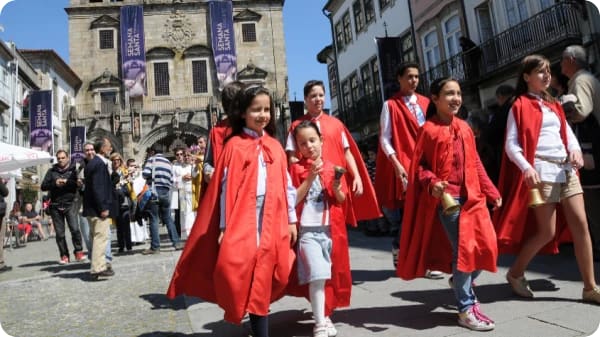
Across Holy Week (Semana Santa), many towns and cities host processions, torchlit ceremonies, and Passion reenactments, starting on Palm Sunday and building toward Good Friday and Easter Sunday. For some people, it is deeply religious. For others, it is about gathering around the table for classic dishes like bacalhau on Good Friday, roast lamb or cabrito on Easter Sunday, and seasonal sweets such as folar da Páscoa, amêndoas, and pão de ló. Either way, it is a nationwide pause that shapes routines.
This guide explains what to expect during Easter in Portugal, with a practical lens for expats and newcomers: how Holy Week is celebrated by region, what typically happens with schools and spring break, what changes at work, which days are public holidays, and why some services and shops may run on reduced schedules. If you want to plan ahead and feel more integrated, understanding Easter is a strong place to start.
Table of contents7
- Understanding Easter in Portugal
- The religious Easter in Portugal
- Where can you find authentic Easter traditions in Portugal as an Expat?
- Traditional Easter food in Portugal for expats
- Are there gift-giving traditions in Portugal for Easter?
- What are the Easter traditions in Portugal?
- How does Easter affect daily life in Portugal?
Understanding Easter in Portugal
While chocolate eggs and bunnies are becoming more popular, Easter in Portugal is primarily about Semana Santa (Holy Week).
The festivities begin on Palm Sunday (Domingo de Ramos), a week before Easter Sunday, and continue with processions, religious rituals, and family gatherings. Good Friday (Sexta-feira Santa) is a public holiday, a day of reflection and remembrance of Christ's crucifixion. Easter Sunday (Domingo de Páscoa) marks the resurrection, and the church has services and families feasts.
The dates can vary each year. In 2026, Easter Sunday falls on April 5th.
When is Easter sunday in 2026?
- Palm Sunday: March 29th, 2026
- Maundy Thursday: April 2nd, 2026
- Good Friday (Public Holiday): April 3rd, 2026
- Holy Saturday: April 4th, 2026
- Easter Sunday: April 5th, 2026
The religious Easter in Portugal
What is the significance of Easter?
Portugal is a predominantly Catholic country, and its faith is deeply reflected in the Easter celebrations. Churches hold special services throughout Holy Week.
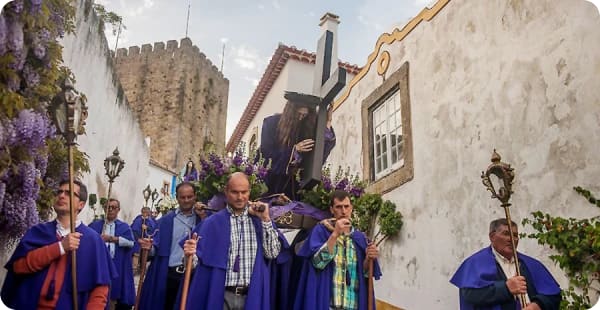
You'll likely see processions in many towns and cities, some quite elaborate, reenacting the Passion of Christ. These can be incredibly moving experiences, even if you're not religious. Here are some key religious traditions:
- Procissão dos Passos (Procession of the Steps): This solemn procession depicts the stages of Jesus' journey to his crucifixion. Statues representing scenes from the Passion are carried through the streets, accompanied by prayers and chants.
- Procissão do Senhor Morto (Procession of the Dead Lord): A particularly poignant procession on Good Friday, focusing on the crucifixion and death of Jesus.
- Vigília Pascal (Easter Vigil): The most important service of Holy Week, held on the night of Holy Saturday. It begins with the blessing of a new fire, symbolizing the light of Christ's resurrection, and the lighting of the Paschal candle.
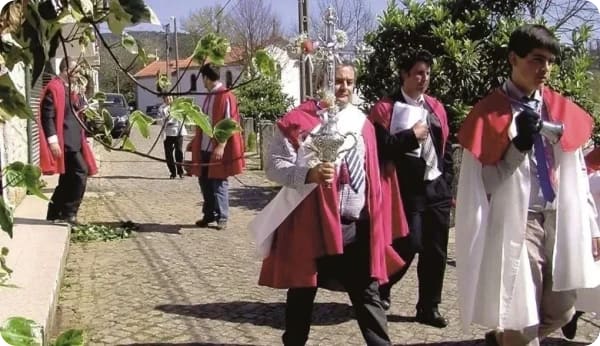
- Compasso Pascal: A unique tradition, especially in smaller towns and villages. On Easter Sunday, a small group, often led by the local priest, visits homes carrying a crucifix, offering blessings. Families often prepare their homes with flowers and offer sweets and drinks to the visiting group. It's a beautiful way to connect with the local community. If you live in a smaller town or village, don't be surprised if the Compasso Pascal comes to your door!
Where can you find authentic Easter traditions in Portugal as an Expat?
Where to celebrate Easter in Portugal?
While traditional Portuguese Easter is celebrated throughout the country, some locations are particularly renowned for their unique festivities celebrated in portugal:
- Braga: Known as the "City of Archbishops," Braga hosts the most elaborate Holy Week celebrations in Portugal. Expect solemn processions, reenactments, and a deeply religious atmosphere.
Braga can get very crowded during Holy Week. Book accommodation well in advance if you plan to visit.
- Óbidos: This charming medieval town, with its castle and cobbled streets, provides a stunning backdrop for its Easter processions. The torch-lit processions are particularly evocative.
- Loulé (Algarve): Home to the Festa da Mãe Soberana, a large religious festival that starts on Easter Sunday.
- São Brás de Alportel (Algarve): Famous for the Festa das Tochas Floridas (Festival of Flower Torches) on Easter Sunday, where the streets are decorated with flowers.
The Algarve is a popular destination for both Portuguese and foreign tourists during Easter. Expect higher prices and more crowds, especially in coastal areas.
- Porto: Offers a blend of traditional processions and a vibrant city atmosphere.
- Lisbon: The capital city hosts various religious processions and cultural events.
Traditional Easter food in Portugal for expats
Food is an integral part of any Portuguese celebration, and Easter is no exception. Get ready to indulge in some unique and delicious treats!
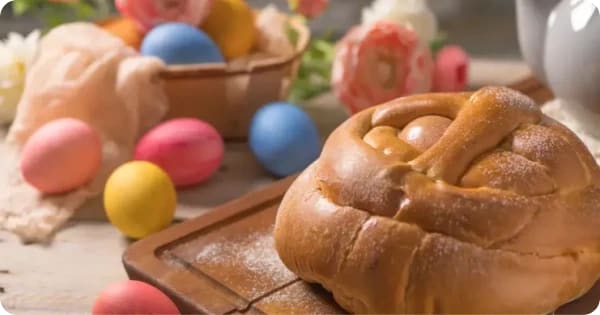
- Folar da Páscoa: This loaf is the quintessential Easter bread. It can be sweet or savory, depending on the region. The sweet version often includes cinnamon and anise, and many have a whole boiled egg baked into the center, symbolizing rebirth and resurrection. The savory versions, particularly in Trás-os-Montes, are filled with various meats like sausage, ham, and presunto. Try to find a local pastelaria (bakery) that makes folar from scratch (if you are in Algarve, you'll look for Folar de Olhão). The taste is far superior to the mass-produced versions you might find in supermarkets.
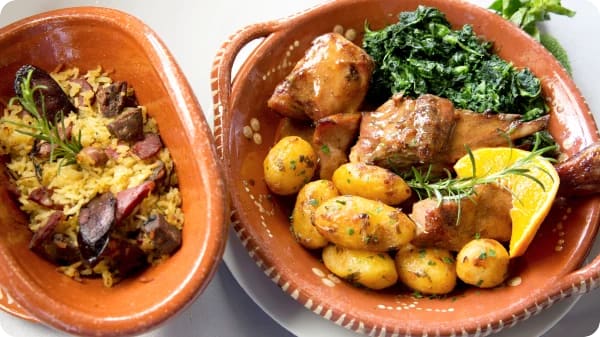
- Cabrito (Roast Kid) or Borrego (Roast Lamb): These are the traditional main courses for Easter Sunday lunch. The meat is often roasted with potatoes and seasoned with herbs and spices. If you're invited to a Portuguese family's Easter lunch, be prepared for a long and leisurely meal! It's a time for socializing and enjoying delicious food and company.
- Amêndoas (Almonds): You'll find almonds everywhere during Easter! They come in various forms: sugar-coated (often brightly colored), chocolate-covered, or roasted with sugar and cinnamon. They symbolize fertility and new life.
- Pão-de-Ló: A light and fluffy sponge cake, often served as a dessert. Pão-de-Ló comes in different variations. Some are drier, while others are incredibly moist and almost custard-like. Ask for recommendations at a local bakery to find your favorite.
- Other Sweets: Depending on the region, you might encounter queijadas (small cheesecakes), arroz doce (rice pudding), and various other pastries.
Are there gift-giving traditions in Portugal for Easter?
Gift-giving is an important part of Easter in Portugal, particularly between godparents and godchildren.
- Godchildren to Godparents: On Palm Sunday, godchildren traditionally give their godparents gifts. Historically, the gesture was an olive branch for godfathers and a bouquet of violets for godmothers. Nowadays, it can be a small plant or another thoughtful gift.
- Godparents to Godchildren: On Easter Sunday, godparents reciprocate, giving their godchildren gifts. This can be a folar, chocolate eggs, almonds, clothing, toys, or even money. This exchange strengthens the special bond between godparents and godchildren. If you have Portuguese godchildren (or just want your child to experience it), it's important to participate in this tradition. It's a sign of respect and affection.
What are the Easter traditions in Portugal?
What activities occur during Easter?
Easter in Portugal isn't just about religious services; it's also a time for unique cultural traditions:
- Compasso Pascal (already mentioned in the religious section, but worth reiterating here for its cultural significance): This home-visiting tradition is a strong community-building activity.
- Queima do Judas (Burning of Judas): In some regions, a straw figure representing Judas Iscariot is burned on Holy Saturday. The act symbolizes the rejection of betrayal and can sometimes have social or political undertones.
- Easter Cleaning: It is very common to do a deep clean of the house before Easter. The holiday is a good time to declutter and get your home ready for spring!
- Decorations: While not as widespread as Christmas decorations, some families decorate their homes with Easter-themed items, like painted eggs, flowers, and spring motifs.

How does Easter affect daily life in Portugal?
Now, let's get into the practical aspects of life in Portugal during Easter week.
1. Schools during Easter in Portugal
- School Holidays for Easter in Portugal: Schools in Portugal have a two-week break for Easter, known as Férias da Páscoa. The exact dates can vary slightly each year and between different school levels (primary, secondary, university), but they typically encompass the week before and the week after Easter Sunday. Expect school closures from approximately April 7th to April 21st in 2025, but always verify with your specific school.
- Impact on Childcare: Prepare for the two-week school closure if you have children. The closure means you'll need to arrange childcare if both parents work. Options include:
- Family Support: If you have family in Portugal, they might be able to help with childcare.
- ATLs (Atividades de Tempos Livres): These are organized leisure activities for children during school holidays. They can range from sports camps to arts and crafts workshops. Many are run by local councils (Câmaras Municipais) or private organizations. It's highly recommended to book ATLs very early, as spaces fill up rapidly, sometimes months in advance. Start looking for ATLs in January or February, and be prepared to put your child's name on a waiting list.
- Babysitters/Nannies: Hiring a babysitter or nanny is another option, but it can be pricier. Online groups often have recommendations for reputable babysitters and nannies in specific areas. Expat Tip: Ask for references and check backgrounds carefully when hiring a babysitter or nanny.
- Vacation Time: Many parents take some vacation time during the Easter break to be with their children.
- School Activities: Before the break, schools often organize Easter-related activities, such as crafts, plays, or period education sessions. Such events can be a good opportunity for your children to learn about Portuguese Easter traditions.
2. Work during Easter in Portugal
- Public Holiday: Good Friday (April 18th, 2025) is a public holiday in Portugal. This day of rest means most businesses and government offices will be closed.
- Reduced Workload: Even though Easter Monday is not a public holiday, many businesses operate with a reduced workload or have a more relaxed atmosphere during Holy Week. Some companies may allow employees to take extra days off, especially if they have children. You may feel an "unwritten rule" of taking it easier during Holy Week, even if it's not officially sanctioned. Don't expect to get a lot of important work done during Holy Week. Be aware that many people will be out of the office or working slower, which affects services from providers and government offices.
- Industry Variations: The impact of Easter on workplaces varies by industry.
- Tourism: The tourism sector (hotels, restaurants, tour operators) is very busy during Easter, as it's a popular time for both domestic and international travel.
- Retail: Retail stores, especially supermarkets, are busy in the days leading up to Easter, as people stock up on food and supplies.
- Manufacturing/Offices: Many factories and offices may close or operate with reduced staff during Holy Week.
- Communication is Key: If you're unsure about your workplace's policies during Easter, talk to your manager or HR department. It's always best to clarify expectations in advance. Don't be afraid to ask colleagues about typical practices—Portuguese are generally very helpful.
3. Stores and services during Easter in Portugal
- Good Friday Closures: Expect most stores, including supermarkets, to be closed on Good Friday. Smaller, local shops may have more flexibility, but don't rely on it. Some larger supermarkets, like Continente and Pingo Doce, generally have limited opening hours on Good Friday, but their availability is not guaranteed. Check their websites or social media pages for updates closer to the date.
- Easter Sunday Closures: Many stores will also be closed on Easter Sunday, although some larger supermarkets might open for limited hours. Check websites for specific store opening hours, as they can vary by location and chain.
- Saturday Shopping: Saturday before Easter is typically a very busy shopping day, as people prepare for the holiday. Expect long lines and crowded stores. Some expats recommend shopping very early in the morning or late at night on Saturday to avoid the worst of the crowds. If you have a large supermarket nearby that offers online ordering and delivery (like "Mercadão" from Pingo Doce), consider using this service to avoid the crowds.
- Shopping in Advance: It's highly recommended to do your grocery shopping and any other essential shopping well in advance of Good Friday. Don't leave it until the last minute; keep in mind traditional Easter produce may run out very early.
- Restaurants: Many restaurants will be open on Easter Sunday, but it's essential to make reservations, especially for lunch. Traditional Portuguese restaurants serving Easter meals (like cabrito or borrego) will be particularly popular. Book your Easter Sunday lunch reservation at least 2-3 weeks in advance, especially if you have a large group or a specific restaurant in mind.
- Pharmacies: Pharmacies operate on a rotating schedule for holidays and weekends. There will always be at least one pharmacy open in each area, even on Good Friday and Easter Sunday, but it might not be your usual one. Look for signs posted on pharmacy doors indicating the farmácia de serviço (duty pharmacy). You can also find the Farmacia de Serviço information online or in local newspapers.
- Public Transportation: Public transportation (buses, trains, metro) will likely operate on a reduced schedule on Good Friday and Easter Sunday. Check the websites of the relevant transport providers for specific timetables. If you're planning to travel by train during Holy Week, book your tickets in advance, as trains can get very full.
- Banks: They will remain closed on Good Friday. ATMs will still be operational, but it's wise to withdraw cash in advance, as they might run low on busy days.
- Post Office: On Good Friday, the post office will remain closed.
4. Other considerations for Easter in Portugal as an Expat
- If planning to travel, be sure to book in advance, as prices will be higher. Check travel forums for deals and recommendations on Easter destinations in Portugal. Consider visiting smaller towns and villages for a more authentic Easter experience, rather than the major tourist hotspots.
- Be mindful and respectful of religious observances, even if you don't personally participate. If you're invited to attend a religious service or procession, it's polite to dress modestly (covering shoulders and knees).
Final thoughts
Easter in Portugal is a vibrant and meaningful celebration, blending religious traditions, family gatherings, delicious food, and unique cultural practices. As a newcomer, understanding the nuances of how Easter affects daily life, from school closures to store schedules, is crucial for a smooth and enjoyable experience.
By planning ahead, embracing the local customs, and respecting the religious observances, you can fully immerse yourself in this special time of year and strengthen your connection with your new Portuguese community. AnchorLess is here to support you every step of the way, ensuring your transition to life in Portugal is as seamless as possible. We wish you a Feliz Páscoa!
Share this article