生活
我们的专家
Brenda L.

由以下人士撰写

Brenda.L

After completing her higher education, Brenda joined AnchorLess in 2023. She is an expert on relocation issues in Europe.
为什么您可以信任AnchorLess
+10,000
指导外籍人士
1176

评价显示4.9/5

NIF Icon
立即获取您的葡萄牙NIF
5分钟在线申请
获取您的葡萄牙NIF
Electricity in Portugal
Energy Bill Portugal
Heating in Portugal
Utilities in Portugal
09/05/2025

Set Up Electricity & Heating in Portugal: Expat Guide

setup utilities Portugal immigrants

Energy and heating bill Portugal is one of the first “real life” surprises for many expats moving to Portugal: Portugal’s electricity and gas markets are liberalized (so you can shop around), but final bills can still feel high because they include regulated network charges plus taxes/levies, regardless of supplier.

If you want a quick rule of thumb: your energy bill is driven by three levers: (1) your tariff and supplier (regulated vs liberalized, fixed vs indexed, single-rate vs time-of-use), (2) your “potência contratada” and usage patterns (when you run heating, hot water, laundry), and (3) your home’s efficiency (insulation, windows, humidity, and the heating system itself). Portugal’s regulator (ERSE) publishes tariff information and provides a price simulator that compares market offers, which makes it easier to benchmark whether you’re overpaying.

This guide focuses specifically on how to set up your Portugal heating and electricity bill as an expat. You’ll learn how the market works, how to pick (or switch) an electricity/gas supplier using ERSE’s simulator, and how to avoid the most common cost traps expats report, especially winter heating in older, humid homes, where plug-in heaters and inefficient devices can push consumption up quickly.

Understanding the Portuguese electricity market

Portugal has a liberalized electricity market, which means you can choose (and change) your electricity supplier (“comercializador”), while the physical network is operated by the distribution company (“distribuidor”), mainly E-REDES. This split is one of the biggest “culture shocks” for newcomers, and it’s a common point of confusion in expat forums.

Portugal’s electricity market

  • Supplier (comercializador): sells you electricity, sets your plan, issues bills, manages your contract.
  • Distributor (E-REDES): owns/maintains cables and meters, manages CPE, connections, and many technical changes.
  • Switching supplier: is your right, is typically free, and should not interrupt supply; the new supplier handles the process.
  • Best comparison tool: use ERSE’s official price simulator/comparator.

Regulated vs. liberalized: what actually changes for your energy bill in Portugal?

Portugal operates both:

  • Regulated market (tariffs set/approved in a regulated framework), and
  • Liberalized market (competitive offers with different price structures and perks).

In practical terms, what varies most between suppliers is your energy plan structure (price per kWh, fixed fees, time-of-use options, discounts, contract term), while network access and regulated components are not “negotiated” in the same way.

Major electricity suppliers (comercializadores) in Portugal

Portugal has multiple licensed suppliers. In day-to-day expat life, the names that come up frequently include:

  • EDP Comercial
  • Galp
  • Endesa
  • Iberdrola
  • Goldenergy

Instead of picking by brand reputation alone, you’ll get better results by comparing:

  1. your kWh price,
  2. your fixed daily/monthly charges (including contracted power),
  3. contract length + renewal rules, and
  4. whether you want renewable-only plans.

How to choose the right electricity provider in Portugal

1) Price model

  • Fixed vs. indexed (market-linked)
  • Single-rate vs. time-of-use (bi-horária/tri-horária)

2) Contract fine print

  • Minimum term, renewal rules, exit conditions, and any bundled discounts.

3) Customer service fit

  • Online account quality, billing clarity, and whether you can get support in English (varies).

4) Green energy preferences

  • If “100% renewable” matters to you, filter for it in comparisons (do not assume every plan is equivalent).

在48小时内审核您的租赁协议

当地法律专家会审查您的租赁合同,以确保没有不公平的条款或其他可能导致您支付超出预期费用的内容。

立即审核您的租赁协议

箭头图标
图标确认

由葡萄牙律师审核

图标确认

识别不公平或非法条款

图标检查

验证租赁已在Finanças注册

葡萄牙租赁协议审查
葡萄牙租赁协议审查
Bolo Rei Christmas Portugal

Urban vs. rural electricity in Portugal: what changes

Urban areas (Lisbon, Porto, most towns)

Most homes already have an active connection. Usually you will:

  • Transfer the contract into your name (or sign a new one using the same supply point),
  • Provide ID + NIF + address + IBAN, plus the CPE code (often found on the energy bill).

Rural areas and new/empty properties

If the house does not have an active connection, or needs a new connection, you’ll interact with E-REDES (via your supplier or through E-REDES processes) and timelines can be longer. For higher-capacity or more complex situations, E-REDES may require additional steps (technical conditions, works, inspections). (

Rural energy installation in Portugal: a clean step-by-step

  1. Identify whether a CPE exists for the property (bill, prior owner, or request it).
  2. If you need a connection request, follow the network connection process (often initiated via your supplier, depending on the case).
  3. If works are needed, use a certified electrician and keep documentation ready for approvals/visits.
  4. Once the point is active, choose your supplier and sign your contract (direct debit strongly recommended for simplicity).

CPE, meter readings, and the “two companies” confusion

Two specific items save a lot of time:

1) Your CPE (Código de Ponto de Entrega)

  • It’s the code that identifies your electricity supply point.
  • You can find it on a bill, via your supplier, or request it through E-REDES’ digital channels.

2) Meter readings

Expat discussions repeatedly mention billing frustration when suppliers estimate instead of using readings, so, when you move in, photograph the meter and submit readings when needed.

Contracted power (potência contratada): the lever that affects your energy bill in Portugal

Your 'potência contratada' (kVA) is a fixed capacity level. Too low can trip breakers; too high increases fixed charges.

A practical rule of thumb (very common in housing setups):

  • 3.45 kVA: small apartment, light simultaneous usage
  • 4.6 kVA: typical apartment/home with normal appliance use
  • 6.9 kVA+: larger homes, frequent simultaneous high-load use (AC, multiple appliances)

If you need to change it, the request is made via your supplier and executed by E-REDES; in many smart-meter situations it can be done remotely, often within 24 hours after the request is received.

How much is electricity in Portugal?

A reliable benchmark for household electricity prices (all taxes included) is Eurostat. For Portugal:

  • €0.2626 per kWh (2nd half of 2024) 

Your total monthly bill will still depend heavily on:

  • property insulation/heating method,
  • contracted power,
  • winter usage patterns,
  • whether you use electric heaters (often expensive if poorly controlled).

What’s the cost of energy bills in Portugal?

A key reference point is the household electricity price per kWh.

Again, Eurostat reports Portugal at €0.2626/kWh (2H 2024, all taxes included); your final bill depends on your home, heating method, and contracted power.

Required documentation for your energy utility bill

Most suppliers will ask for:

  • Passport/ Valid ID
  • NIF
  • Proof of address (rental contract or deed)
  • IBAN for direct debit
  • CPE (electricity supply point code)

How does Portugal generate electricity?

In 2024, Portugal’s electricity consumption from the public grid was 51.4 TWh. The supply mix was hydro (28%)wind (27%)solar PV (~10%)biomass (6%)non-renewables (10%), and net imports (20%). Renewables covered 71% of consumption.

What sources does Portugal get its electricity from?

Primarily wind and hydro, with a growing solar contribution, plus some thermal generation and imports depending on the year’s hydro conditions and market flows.

How much electricity does Portugal generate each year?

In 2024, domestic generation was about 41.8 TWh (renewables 36.7 TWh + non-renewables 5.1 TWh), with 10.5 TWhcoming from net imports to meet total demand.

What is the main source of energy in Portugal?

Portugal’s total energy system still includes a significant share of fossil energy inputs, even as renewables grow; the country’s high import dependency reflects this structural reality.

How much energy does Portugal import?

For 2023, Portugal’s energy dependency rate was 66.7% (a standard proxy for how much energy relies on net imports).

In Portugal, how much electricity is generated per person?

Using Portugal’s end-2024 resident population (10,749,635) and 2024 domestic generation (~41.8 TWh), that’s roughly 3,900 kWh per person per year (order-of-magnitude indicator).

What sources does Portugal get its energy from?

Portugal combines domestic renewables with substantial imported energy, and remains energy-import dependent. In 2023, Portugal’s energy dependency rate was 66.7%, and renewables were 35.2% of gross final energy consumption.

Where does Portugal get its energy from?

A large share is still imported (notably fossil energy inputs), complemented by domestic renewable production (electricity and other renewable energy uses).

Where does Portugal get its gas from?

Portugal has no natural gas resources and imports it. REN notes the main sources for Portugal’s natural gas supply include Algeria and Nigeria.

How much of Portugal’s energy is renewable?

For 2023, renewables were 35.2% of gross final energy consumption (overall energy). For electricity specifically, renewables supplied 71% of consumption in 2024.

在线申请葡萄牙NIF,仅需5分钟

一种简单、安全的方式获取您的葡萄牙NIF,官方处理税务局,并包含您的Finanças密码。

立即获取葡萄牙NIF

箭头图标
图标确认

从境外申请;无需在葡萄牙

图标确认

您的Finanças账户密码

图标勾选

24小时内通过电子邮件送达

葡萄牙NIF
葡萄牙NIF

How much is electricity in Portugal?

A reliable benchmark for household electricity prices (all taxes included) is Eurostat. For Portugal:

  • €0.2626 per kWh (2nd half of 2024) 

Your total monthly bill will still depend heavily on:

  • property insulation/heating method,
  • contracted power,
  • winter usage patterns,
  • whether you use electric heaters (often expensive if poorly controlled).

What’s the cost of energy bills in Portugal?

A key reference point is the household electricity price per kWh.

Again, Eurostat reports Portugal at €0.2626/kWh (2H 2024, all taxes included); your final bill depends on your home, heating method, and contracted power.

Required documentation for your energy utility bill

Most suppliers will ask for:

  • Passport/ Valid ID
  • NIF
  • Proof of address (rental contract or deed)
  • IBAN for direct debit
  • CPE (electricity supply point code)

远程开设您的葡萄牙银行账户

AnchorLess 与葡萄牙领先银行合作,让您从海外快速开户

开设您的葡萄牙银行账户

箭头图标
图标检查

符合签证要求的账户

确认图标

信用卡和借记卡将送到您手上

图标检查

用于便捷本地支付和官方用途的葡萄牙IBAN

葡萄牙银行账户客户
葡萄牙银行账户客户

How does Portugal generate electricity?

In 2024, Portugal’s electricity consumption from the public grid was 51.4 TWh. The supply mix was hydro (28%)wind (27%)solar PV (~10%)biomass (6%)non-renewables (10%), and net imports (20%). Renewables covered 71% of consumption.

What sources does Portugal get its electricity from?

Primarily wind and hydro, with a growing solar contribution, plus some thermal generation and imports depending on the year’s hydro conditions and market flows.

How much electricity does Portugal generate each year?

In 2024, domestic generation was about 41.8 TWh (renewables 36.7 TWh + non-renewables 5.1 TWh), with 10.5 TWhcoming from net imports to meet total demand.

What is the main source of energy in Portugal?

Portugal’s total energy system still includes a significant share of fossil energy inputs, even as renewables grow; the country’s high import dependency reflects this structural reality.

How much energy does Portugal import?

For 2023, Portugal’s energy dependency rate was 66.7% (a standard proxy for how much energy relies on net imports).

In Portugal, how much electricity is generated per person?

Using Portugal’s end-2024 resident population (10,749,635) and 2024 domestic generation (~41.8 TWh), that’s roughly 3,900 kWh per person per year (order-of-magnitude indicator).

What sources does Portugal get its energy from?

Portugal combines domestic renewables with substantial imported energy, and remains energy-import dependent. In 2023, Portugal’s energy dependency rate was 66.7%, and renewables were 35.2% of gross final energy consumption.

Where does Portugal get its energy from?

A large share is still imported (notably fossil energy inputs), complemented by domestic renewable production (electricity and other renewable energy uses).

Where does Portugal get its gas from?

Portugal has no natural gas resources and imports it. REN notes the main sources for Portugal’s natural gas supply include Algeria and Nigeria.

Wheat's the source of Portugal's gas?

Portugal produces no natural gas and imports its supply; LNG via Sines is a key entry route.

Is Russian gas a major share for Portugal?

Recent reporting has indicated Portugal’s LNG imports have been led by suppliers such as Nigeria and the United States, with a smaller share from Russia in the referenced period.

How much of Portugal’s energy is renewable?

For 2023, renewables were 35.2% of gross final energy consumption (overall energy). For electricity specifically, renewables supplied 71% of consumption in 2024.

Bolo Rei Christmas Portugal

Gas supply options in Portugal for expats

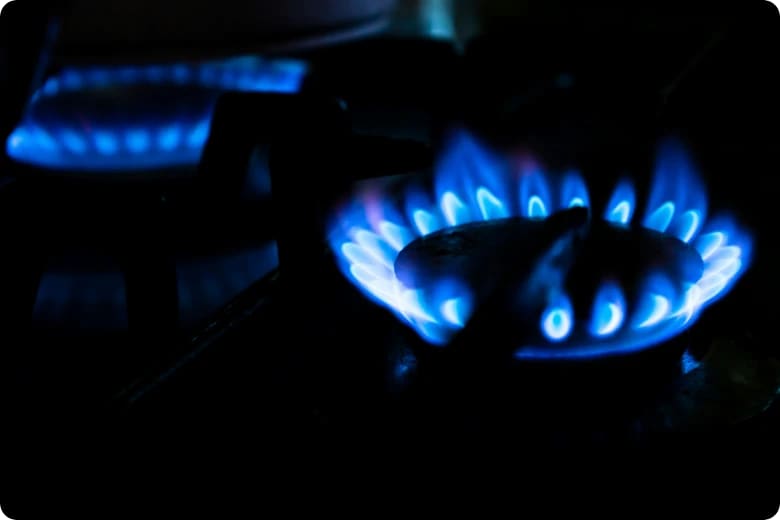
Portugal has three main “gas” setups for homes, and your energy and heating bill in Portugal can look very different depending on which one you have:

  1. Natural gas (gás natural) via pipeline: common in many cities and larger towns. You can choose a commercial supplier (the company you pay) without changing the physical network.
  2. Bottled LPG (GPL engarrafado / botijas): very common in smaller towns, rural areas, and places without pipeline coverage. You manage deliveries/exchanges yourself (or via delivery services).
  3. Piped LPG (GPL canalizado): seen in some condominiums/urbanizations; it’s a “networked gas” setup, but managed under a different model than natural gas.

A practical way to think about it: if your home has a gas meter and a CUI, you’re typically on natural gas; if you have cylinders (garrafas/botijas), you’re on LPG. The CUI (Código Universal da Instalação) is the unique identifier for a natural-gas installation and is usually visible on the gas invoice.

Who are the gas providers in Portugal?

The Portuguese gas market features several prominent providers catering to different consumer needs. Galp Energia emerges as the primary gas supplier, offering comprehensive services across urban and rural regions. EDP and Endesa also provide competitive gas packages, often bundling electricity and gas services to create more attractive pricing structures for consumers.

For expats, comparing provider offerings becomes crucial. Some companies specialize in green energy solutions, while others focus on cost-effectiveness. Many providers now offer English-language support, recognizing the growing international resident population.

How do I find my gas installation code (CUI)?

It’s typically on your gas invoice; it identifies the gas installation and remains associated with that installation.

Natural gas in Portugal: what expats should know

Availability depends on your exact address

Even in the same municipality, some streets/buildings have natural gas and others do not. If your property has an existing installation, you usually just change the contract holder and/or switch supplier (no works needed). If it does not, you may be looking at a new connection process (timeline and feasibility depend on the local distribution network).

“Supplier” vs “network operator”

Portugal separates roles:

  • Commercial supplier (comercializador): who bills you and sets the commercial tariff.
  • Distribution network operator (ORD): who manages the local network infrastructure (meters, cut/reconnect, etc.).

In many regions, distribution is handled by operators under the Floene group (through regional distribution companies).

How to compare heating bill offers in Portugal

Use the ERSE price simulator to compare available electricity and natural gas offers using your real consumption profile (or estimates if you’re new). This is particularly useful when you’re trying to reduce your energy and heating bill in Portugal without guessing.

Start to relocate now! 🇵🇹
Unlock Your D7 Visa Checklist and Ensure Nothing is Overlooked!
Plane
Access the D7 Checklist for Free
Arrow

Bottled gas (botijas) in Portugal: when you’ll likely need it

If you’re in a rural area or an older home without pipeline gas, bottled LPG (butane/propane) is often the default for cooking and, in some homes, heating and hot water.

What expat communities keep highlighting

A recurring point in expat groups is that regulators and connectors can vary, so it’s often easiest to buy a local regulator and use Portuguese bottles, rather than trying to refill/fit a foreign cylinder.

Typical cylinder sizes and where to get them

You’ll commonly see household cylinders around 10-13 kg (and larger ones such as 45 kg for heavier use). Major brands (e.g., Galp and others) sell multiple cylinder types, and many areas have delivery options.

Safety basics for gas cilinders that matter in practice

  • Store cylinders upright, in a well-ventilated place, away from heat/sun.
  • Check hose/regulator condition and do a simple soapy-water leak test on connections.
  • Ensure good ventilation where gas appliances operate.

Gas safety inspections in Portugal: mandatory, and easy to overlook

Two core rules from the official framework:

  • Gas supply to a building installation requires an approved inspection by a certified gas inspection entity, and installations are also subject to periodic inspections; failure can lead to supply being cut.
  • The detailed inspection schedule depends on the installation/building context, but (for many residential scenarios) a common reference point is that the next periodic inspection timeline can run from an extraordinary inspection date, and specific transitional rules apply for older installations.
  • If you are changing the contract holder, renovating, swapping appliances, or you cannot locate a valid inspection document, treat “inspection status” as a first-week priority.

Do I need inspections for home gas in Portugal?

Yes, official guidance states gas installations require approved inspections for supply and are subject to periodic inspections, with potential cut-off for noncompliance.

What gas costs look like (and how to estimate your bill reliably)

Natural gas

Your monthly cost depends on:

  • consumption (kWh/m³),
  • the contracted terms you choose,
  • and fixed components on the bill.

For decision-making, the ERSE simulator is the most defensible way to benchmark offers.

Bottled gas (botijas) price in Portugal

Prices move with the market and region, but ERSE’s price monitoring has shown (example snapshot) figures around €31.86 for a 13 kg butane bottle and €109.74 for a 45 kg propane bottle in late 2025. Use these as orientation, not a guarantee for your area/date.

Required documents expats typically need for gas setup

Have these ready and you will avoid most delays:

  • Valid ID (passport / residence document)
  • NIF
  • Proof of address (rental contract or deed)
  • IBAN (for direct debit)
  • CUI (for natural gas) if the installation already exists (usually on an old bill)
  • Gas inspection document (if applicable/required for activation or changes)

Door-to-door sales, telemarketing, and your cancellation rights

If you sign an energy contract at distance (phone/online), you generally have 14 days to withdraw. If the contract is signed in your home (door-to-door), the withdrawal period can be 30 days. Keep proof of your cancellation request.

This matters because expat forums frequently warn that the “great introductory deal” can become expensive after the promo period, so protect yourself by (1) keeping the contract copy, and (2) diarizing the promo end date.

How can I cancel my electricity and gas in Portugal?

Canceling a contract involves waiting times and the usual bureaucracy, typically when you are moving or no longer need it. Here's what you need to know:

  1. Review Contract Terms: Understand the cancellation policy, including any notice periods or fees.
  2. Contact Your Current Provider: Inform them of your intention to cancel your contract. Provide your account details and the date you want the service to end.
  3. Provide Written Notice: Some providers may require written notice of cancellation.
  4. Final Meter Reading: Provide a final meter reading to ensure accurate billing.
  5. Settle Final Bill: Pay any outstanding balance on your final bill.

Where to complain about your utility bill?

If something is wrong (billing, switching issues, service quality):

  • Use the Livro de Reclamações (online or physical).
  • ERSE receives copies of complaints submitted there and explains escalation steps if you don’t get a timely or satisfactory answer.

Bundled service packages often provide more economical solutions. Many providers offer combined electricity and gas contracts, potentially reducing overall utility expenses. Careful comparison and negotiation can yield significant savings.

博客信息

How to save money with my electricity and heating bill in Portugal?

Strategic financial planning can help expats minimize utility expenses. Bundled service packages frequently offer more economical solutions compared to individual contracts.

Providers like EDP, Galp, and Vodafone frequently develop comprehensive packages combining electricity, gas, internet, and telecommunications services.

Energy-Efficient Practices:

  • Use energy-efficient appliances (rated A+++).
  • Install LED lighting throughout your home.
  • Insulate your home to reduce heating and cooling costs.
  • Use smart thermostats to regulate temperature.
  • Unplug electronic devices when not in use.

Bundled services in Portugal for your electricity and gas utility bill in Portugal

Many energy providers in Portugal offer bundled packages that combine electricity and gas services, presenting a convenient and potentially cost-effective solution for new residents.

Additionally, understanding the processes for changing providers and canceling contracts, as well as how to negotiate rates, can further optimize your utility expenses.

Benefits of Bundled Services:

  • Simplified Billing: Consolidating your utility bills into a single monthly payment simplifies financial management and reduces administrative overhead.
  • Streamlined Communication: Dealing with a single provider for both electricity and gas streamlines communication and simplifies service requests.
  • Potential Cost Savings: Bundled packages often come with discounted rates compared to purchasing each service separately.
  • Integrated Customer Support: Accessing customer support for both electricity and gas through a single channel simplifies issue resolution.

Main providers offering combined packages

  • EDP (Energias de Portugal): EDP offers comprehensive bundled packages that include electricity, gas, and other services, providing a one-stop solution for utility needs.
  • Galp Energia: Known for their competitive pricing, Galp offers attractive bundled packages that combine electricity and gas with potential discounts on fuel and other services.
  • Endesa: Endesa provides customizable bundled plans with attractive introductory rates, making them a popular choice for new residents seeking cost savings.

Considerations when choosing a bundled package for your utility bill in Portugal

  • Assess Your Needs: Evaluate your electricity and gas consumption patterns to determine the most suitable package for your household.
  • Compare Pricing: Carefully compare the costs of bundled packages versus individual services to ensure you're getting the best value.
  • Review Contract Terms: Pay close attention to contract durations, cancellation policies, and potential fees.
  • Check Service Coverage: Ensure the provider offers reliable service in your area for both electricity and gas.

Avoiding common pitfalls

Expats often encounter several recurring challenges during utility setup. Delayed documentation processing, unexpected administrative fees, and complex contract terms can create frustration. Developing a patient, systematic approach helps mitigate potential complications.

  • Read the Fine Print: Carefully review all contract terms and conditions before signing anything.
  • Compare Offers: Compare the offer with other providers to ensure you're getting the best deal.
  • Know Your Rights: You are entitled to cancel a contract within 14 days of signing.

Common Pitfalls and Solutions

  • Delayed Connections: Apply for utility connections well in advance of your move-in date.
  • Unexpected Fees: Carefully review contract terms and ask for a detailed breakdown of all potential charges.
  • Language Barriers: Utilize translation services and seek assistance from bilingual professionals.
  • Contract Disputes: Document all communications and seek legal advice if necessary.

Get your Portuguese ready

Effective communication represents a critical skill in navigating Portuguese utility systems. Although many providers offer English-language support, understanding and learning basic Portuguese terminology can significantly streamline interactions.

Useful Phrases for Utility Setup:

  • "Eu gostaria de ligar a eletricidade/gás/água." (I would like to connect the electricity/gas/water.)
  • "Qual é o custo da instalação?" (What is the installation cost?)
  • "Como posso pagar a minha conta?" (How can I pay my bill?)
  • "Eu preciso de um técnico para verificar a minha instalação." (I need a technician to check my installation.)

Digital tools and translation applications can serve as valuable intermediaries. Many utility providers now offer online platforms with multilingual interfaces, reducing potential communication barriers. However, personal interactions often remain the most effective method for resolving complex administrative issues..

How can I change providers in Portugal?

Changing providers allows you to take advantage of better rates, services, or renewable energy options. Here's how to make a seamless transition:

  1. Research New Providers: Compare rates, services, and contract terms from different providers. Use online comparison tools and read customer reviews.
  2. Sign Up with a New Provider: Provide the necessary documentation (NIF, proof of address, etc.) and choose your preferred plan.
  3. Coordinate the Switch: The new provider will typically handle the switchover process, coordinating with your current provider to ensure a smooth transition.
  4. Final Meter Reading: Take a final meter reading on the switchover date to ensure accurate billing from your old provider.

Negotiating rates and discounts

Don't hesitate to negotiate with providers for better rates or discounts. Here are some tips:

  • Compare Offers: Use competing offers as leverage for negotiation.
  • Ask for Discounts: Inquire about discounts for bundled services, online billing, or direct debit payments.
  • Negotiate Contract Terms: Try to negotiate more favorable contract terms, such as shorter durations or flexible cancellation policies.

How can I cancel my electricity and gas in Portugal?

Canceling a contract involves waiting times and the usual bureaucracy, typically when you are moving or no longer need it. Here's what you need to know:

  1. Review Contract Terms: Understand the cancellation policy, including any notice periods or fees.
  2. Contact Your Current Provider: Inform them of your intention to cancel your contract. Provide your account details and the date you want the service to end.
  3. Provide Written Notice: Some providers may require written notice of cancellation.
  4. Final Meter Reading: Provide a final meter reading to ensure accurate billing.
  5. Settle Final Bill: Pay any outstanding balance on your final bill.

Final thoughts

By understanding the Portuguese electricity and gas markets, comparing providers, exploring bundled service options, and being aware of your rights as a consumer, you can optimize your utility setup and create a comfortable and cost-effective living environment in your new home.

分享这篇文章

分享这篇文章

加入由10,000+名外籍人士组成的社区
获取我们每周分享给会员的小贴士、成功故事和分步指南,助您顺利搬迁。
Trustpilot 星级
Trustpilot五星评价
Trustpilot五星评价
Trustpilot 星级评价
Trustpilot五星评价
我超爱AnchorLess!他们在我的葡萄牙移民过程中帮了大忙,包括NIF注册、银行账户开户、律师服务和税务咨询。虽然整个流程结束后我会很开心,但至少有他们陪伴,这段旅程变得更加顺利。
LD
丽莎 D
来自南非
Trustpilot 星级
Trustpilot五星评价
Trustpilot五星评价
Trustpilot 星级评价
Trustpilot五星评价
吉尔曼非常棒!我有很多问题和需要处理的事情,他总是及时回应,态度专业,并且不遗余力地帮助我解决所有问题!他简直是专家!!!!
DS
Debra Savage
从美国

我们的读者也浏览了

葡萄牙数字移动密钥指南
数字移动密钥
外籍人士
05/03/2026
通过我们的全面指南,了解外籍人士如何轻松获得葡萄牙的CMD。
Brenda
Brenda
内容管理员
葡萄牙复活节指南,适合外籍人士
葡萄牙的复活节
葡萄牙在复活节
在葡萄牙生活
葡萄牙假期
14/03/2025
葡萄牙复活节指南:圣周习俗、教堂庆祝活动、福拉蛋糕和杏仁,以及里斯本、波尔图、布拉加和阿尔加夫生活的实用技巧。
Brenda
Brenda
内容管理员

不仅仅是一个博客,而是一个生态系统

AnchorLess 团队
网络研讨会中心

参加我们的免费网络研讨会,获取您最紧迫的移居问题的具体答案。

对话

社区

与数千名现任和未来的外籍人士建立联系。在这段旅程中,你并不孤单。

AnchorLess 合作伙伴
合作伙伴

保险、住房:我们精心挑选并验证了最优质的服务,省去您的麻烦。

葡萄牙海滩

开始你在欧洲的新生活

让AnchorLess帮您将搬迁压力转化为成功。

搬迁到欧洲变得简单。

现在开始搬迁

箭头图标
免费咨询
AnchorLess 支持团队
4.9/5 优秀
星
星
星
星
星
AnchorLess 标志

AnchorLess 不是银行、会计师、税务顾问、投资顾问或律师事务所,我们也不是政府或官方政府网站。我们作为中介,帮助您与认证专业人士建立联系,并简化您在欧洲的行政流程。

Instagram 图标
Facebook 图标
Reddit 图标
LinkedIn 图标
Amex 标志
签证徽标
万事达卡标志
& 更多
免费支付4次
Klarna 标志

🇵🇹 移居葡萄牙

箭头

🇪🇸 移居西班牙

箭头

资源

条款和条件

隐私政策

免责声明

© 2022 - 2026 anchorless.io,保留所有权利。