





 에서 포르투갈로 이주하기


포르투갈의 대학: 어디서 공부하고 지원할까

요약
포르투갈의 대학 시스템은 학문적 우수성, 합리적인 비용, 접근성을 결합하고 있습니다. 체계적인 학위 프로그램, 견고한 학점 시스템, 그리고 이민자 친화적인 정책으로 인해, 포르투갈은 고품질 교육을 추구하는 국제 학생들에게 이상적인 목적지입니다.
원하는 AI로 이 글을 요약해 보세요:
포르투갈의 대학 은 구조화된 볼로냐 협약에 따른 고등 교육 시스템을 제공하며, 국제 학생들에게 이해하고 계획하며 설명하기 비교적 쉽습니다. 이 나라는 이원화 모델 을 운영하고 있습니다: 연구 중심의 대학 과 실무 중심의 폴리테크닉 연구소 로, 학위는 유럽 전역에서 인정되며 학사(licenciatura)에서 석사(mestrado), 박사(doutoramento)까지 명확한 진로 제공합니다.
대부분의 국제 지원자에게 성공은 세 가지를 조기에 잘 해결하는 데 달려 있습니다: 올바른 입학 경로, 언어 및 서류 요구 사항, 그리고 이민 타이밍. DGES는 비EU / 국제 학생 접근 을 위한 특정 프레임워크를 제시하며, 이는 포르투갈/ EU 지원자들이 사용하는 국내 경쟁과 다릅니다. 그리고 비EU 학생들에게 포르투갈의 공식 비자 가이드도 명확합니다: 거주 비자는 일반적으로 4개월 동안 유효하며, 도착 후 거주 허가 절차를 진행해야 합니다.
실제로는 온라인 커뮤니티가 일관되게 같은 “현실” 변수를 지적합니다: 주거 압력 (특히 주요 도시) 과 관료주의/예약, 도착 후 AIMA 단계 포함, 따라서 타임라인을 계획하는 것이 적절한 프로그램을 선택하는 것만큼 중요합니다.
이 가이드에서는 다음을 다룹니다:
- 포르투갈에서 “대학 vs 폴리테크닉”이 의미하는 것과 학위 구조 (볼로냐 주기).
- 국제 학생을 위한 주요 입학 경로, DGES 비EU 지원자를 위한 프레임워크 포함.
- 언어 기대치 (포르투갈어 vs 영어 강의 프로그램)와 일반적으로 필요한 서류.
- 등록금 및 현실적인 비용 계획, 숙소가 대학 선택에 영향을 미치는 이유 포함.
- 비자 및 도착 후 절차 개요 (이동 전 준비해야 할 사항과 도착 후 발생하는 사항).
목차13
- 포르투갈의 대학은 어떻게 운영되나요?
- 포르투갈 고등교육의 문법과 주요 용어
- 포르투갈 고등교육 제도의 학위 과정은 어떻게 구성되어 있나요?
- 포르투갈 대학은 이민자나 포르투갈어를 하지 않는 사람도 쉽게 다닐 수 있나요?
- 포르투갈 대학교에서는 어떤 프로그램을 제공하나요?
- 포르투갈에는 어떤 유형의 대학이 있나요?
- 포르투갈의 공립 대학교와 사립 대학교는 어떻게 다른가요?
- 포르투갈의 우수한 대학교는 어디인가요?
- 외국인 유학생으로 포르투갈에서 공부하려면?
- 포르투갈 대학은 주재원들에게 얼마나 환영적인가요?
- 포르투갈에서 주재원의 학위 인증은 어떻게 이루어지나요?
- 공부를 희망하는 이민자를 위한 포르투갈 비자 옵션은 무엇입니까?
- 포르투갈에서 주재원에게 가장 적합한 대학교는 어디인가요?
포르투갈로 이주하기무료
이주와 관련해 상담해 보세요
- 먼저 계획을 알려주세요
- 이주 계획에 맞춘 조언
- 편한 시간으로 예약하세요
4.8/5리뷰 1,500개 이상
포르투갈의 대학은 어떻게 운영되나요?
포르투갈의 고등교육 체계(Ensino Superior)는 이원화되어 있으며, 대학 교육과 폴리테크닉 교육이 명확히 구분됩니다.
포르투갈의 대학 교육
- 중점: 연구와 혁신을 중시하며 학문적·이론적 지식을 다룹니다.
- 전공 분야: 공학, 의학, 법학, 예술, 인문학, 과학 등 다양합니다.
- 기관: 종합대학, 공과대학, 전문 기관이 포함됩니다(예: 경영학 및 사회학 분야의 ISCTE).
- 예시: 포르투 대학교, 리스본 대학교, 코임브라 대학교.
포르투갈의 폴리테크닉 교육
- 중점: 졸업 후 바로 취업하려는 학생을 위해 직업 훈련과 실무 적용에 중점을 둡니다.
- 전공 분야: 경영학, 교육학, 호텔·관광, 보건의료, 기술 공학 분야입니다.
- 기관: 폴리테크닉 기관과 기술 전문대학이 포함됩니다(예: 레이리아 폴리테크닉, 리스본 폴리테크닉).
| 구분 | 대학교 | 폴리테크닉 |
|---|---|---|
| 중점 분야 | 학술 연구 및 이론 지식 | 응용 과학 및 직업 교육 |
| 학위 과정 | 학사, 석사, 박사 | 학사, 전문 석사 |
| 학위 과정 기간 | 3~4년(학사), 1~2년(석사) | 3년(학사), 1~2년(전문 석사) |
| 대상 학생 | 학계 또는 연구 분야 진출을 목표로 하는 학생 | 기술 및 실무 중심의 진로를 희망하는 학생 |
| 볼로냐 프로세스에 따른 통합 | 대학교와 폴리테크닉 모두 볼로냐 프로세스의 학위 체계를 따릅니다. | |
포르투갈은 유럽 고등교육 체계를 조화시키는 볼로냐 프로세스에 참여하고 있습니다.
- 학점 비교를 위해 유럽 학점 이전 및 누적 체계(ECTS)를 도입했습니다.
- 학위 과정을 학사, 석사, 박사로 구분했습니다.
포르투갈 고등교육의 문법과 주요 용어
용어를 이해하면 일반적으로 이민자들이 포르투갈의 학위 체계를 파악하는 데 도움이 됩니다.
| 용어 | 설명 |
|---|---|
| Licenciatura | 학사 학위. 일반적으로 기초 학문 지식을 쌓는 3~4년 과정입니다. |
| Mestrado | 석사 학위. 1~2년 동안 진행되는 전문화 과정입니다. |
| Mestrado Integrado | 통합 석사 과정. 학사 과정과 석사 과정을 하나의 과정으로 통합하며, 5~6년이 소요됩니다. |
| Doutoramento | 독창적인 연구에 중점을 둔 박사 학위로, 일반적으로 3~4년이 소요됩니다. |
| ECTS (유럽 학점 이전 및 축적 시스템) | 학업 부담을 측정하고 유럽 교육기관 간 학점 인정을 가능하게 하는 표준화된 학점입니다. |
| Propinas | 수업료이며, 공립 및 사립 교육기관에 따라 크게 달라질 수 있습니다. |
ECTS는 유럽 전역에서 학생의 학습량을 표준화하는 볼로냐 프로세스의 핵심 요소입니다.
- ECTS 1학점 = 28시간의 학습.
- 강의, 과제, 자율 학습 및 평가를 포함합니다.
- 연간 학점 이수량:
- 전일제 학생은 학년당 ECTS 60학점(총 1,680시간의 학습량)을 이수합니다.
- 학위 취득 요건:
- 학사: ECTS 180~240학점(3~4년).
- 석사: ECTS 90~120학점(1~2년).
- 박사: 일반적으로 ECTS 180~240학점이 필요하지만, 연구 진행 상황에 따라 기간이 달라집니다.
각 학점은 28시간의 학습에 해당하며, 다음과 같이 구성됩니다.
- 강의 시간: 전체 학습량의 약 35%.
- 자율 학습: 약 45%(읽기, 과제 및 시험 준비).
- 평가: 약 20%(프로젝트, 실습 및 시험).
ECTS 6학점 과목의 학습량 배분 예시:
강의:
40시간
자율 학습:
80시간
과제:
20시간
시험/프로젝트:
- 20시간

포르투갈 고등교육 제도의 학위 과정은 어떻게 구성되어 있나요?
학사 학위 (Licenciatura)
기간: 3~4년.
구성: 이론 수업과 실습을 병행하며, 최종 프로젝트나 인턴십을 요구하는 경우가 많습니다.
주요 특징:
- 고등학교 졸업자에게 열려 있습니다.
- 유학생은 이에 상응하는 자격을 갖춰야 합니다.
입학 요건:
- 일반적으로 포르투갈어 능력 B2 수준이 요구됩니다.
- 유학생이 언어 능력과 학업 준비도를 높일 수 있도록 여러 교육기관에서 예비 과정을 제공합니다.
석사 학위 (Mestrado)
기간: 1~2년.
구성:
- 고급 전문화를 위한 교과 과정.
- 연구 논문 또는 전문 분야 프로젝트.
통합 석사 학위:
- 공학, 의학, 건축학 등의 분야에서 흔히 볼 수 있습니다.
- 기간: 5~6년.
- 학생은 학사와 석사 자격을 모두 취득하고 졸업합니다.
박사 학위 (Doutoramento)
기간: 3~4년이며, 시간제 학생은 더 오래 걸릴 수 있습니다.
중점: 독창적인 연구를 통해 학문 또는 전문 분야에 기여합니다.
구성:
- 학생은 연구 방법론과 전공 분야별 주제를 다루는 초기 수업 과정(6~12개월)을 이수합니다.
- 연구 단계에서는 논문을 작성하고 공개 심사를 받습니다.
포르투갈 대학은 이민자나 포르투갈어를 하지 않는 사람도 쉽게 다닐 수 있나요?
언어 능력
학부 과정:
- 주된 수업 언어는 포르투갈어입니다.
- B2 수준의 언어 능력이 요구되며, 준비 과정으로 포르투갈어 강좌를 수강할 수 있습니다.
대학원 과정:
- 많은 석사 및 박사 과정의 수업 언어는 영어입니다.
- 인정되는 시험에는 IELTS(최소 점수: 5.5~6.5)와 TOEFL(최소 점수: 80)이 포함됩니다.
정착 지원
- 유학생 지원 사무실: 입학, 주거 및 문화 적응을 지원합니다.
- 버디 프로그램: 유학생과 현지 학생을 연결해 지원을 제공합니다.
- 언어 강좌: 집중 수업을 통해 유학생이 요구되는 언어 능력을 갖추도록 돕습니다.
CPLP 회원국 국민
- 브라질, 앙골라, 모잠비크 등 포르투갈어 사용 국가 출신 학생에게는 등록금 감면 혜택이 제공됩니다.
- 언어와 문화의 공통점 덕분에 입학 절차가 간소화되었습니다.

포르투갈 대학교에서는 어떤 프로그램을 제공하나요?
포르투갈의 교육기관은 다양한 분야의 프로그램을 폭넓게 제공합니다. 여기에는 학사 학위 프로그램 (licenciaturas)과 통합 석사 과정부터 석사 학위 프로그램 (mestrados), 박사 과정, 그리고 학교에 따라 대학원 전문 과정과 단기 강좌가 포함됩니다. 기관 및 전공 분야별 공식 제공 과정을 DGES의 과정 및 기관 검색 도구에서 확인할 수 있습니다.
포르투갈 대학교에서 가장 흔히 볼 수 있는 학부 및 대학원 프로그램은 다음과 같습니다.
- 공학 및 기술: 컴퓨터 과학, 전기·기계·토목공학, 데이터 및 인공지능, 통신
- 경영 및 경제: 경영학, 금융, 회계, 경제학, 비즈니스 분석
- 보건 및 생명과학: 의학, 치의학, 약학, 간호학, 생의학, 심리학
- 법학 및 정치·사회과학: 법학, 국제관계학, 공공정책, 사회학, 커뮤니케이션
- 예술, 건축 및 인문학: 순수미술, 디자인, 건축학, 언어, 역사, 문학
- 환경 및 해양·기후 관련 분야: 환경과학·공학, 해양과학(해안 지역 대학에서 강점을 보이는 경우가 많음)
포르투갈에는 어떤 유형의 대학이 있나요?
포르투갈의 고등교육 체계는 이원화 체계로, 대학 교육과 폴리테크닉 교육으로 구성되어 있으며, 공립 대학, 사립 대학, 폴리테크닉 기관 및 몇 가지 추가 유형의 기관에서 제공됩니다. (DGES)
포르투갈의 대학 및 고등교육 기관 유형
공립 대학 (universidades públicas)
- 다양한 학위 과정(licenciatura/학사, mestrado/석사, doutoramento/박사)을 제공하는 국립 고등교육 기관입니다.
사립 대학 (universidades privadas)
- 자체 입학 및 등록금 체계를 갖추고 대학 학위를 제공하는 민간 운영 고등교육 기관입니다.
폴리테크닉 교육기관 (ensino politécnico)
- 폴리테크닉 교육기관 (instituto politécnico) 및 기타 폴리테크닉 교육기관에서 제공하는, 실무 중심의 고등교육입니다. 일반적으로 응용 학습과 취업 역량 강화에 중점을 둡니다.
대학 기관 (instituto universitário)
- 대학 및 기타 대학 교육기관과 함께 대학 하위 체계(대학 교육)에 속합니다.
군사 및 경찰 고등교육기관
- 국가 공공 교육기관망 내에 별도로 설치된 공공기관입니다(공립 대학 및 폴리테크닉 교육기관 외에 추가로 운영됩니다).
포르투갈의 볼로냐 프로세스란 무엇인가요?
볼로냐 프로세스는 포르투갈이 유럽 고등교육 지역(EHEA)에 맞춰 고등교육을 정비하기 위해 활용하는 유럽의 개혁 체계입니다. 실질적으로는 포르투갈의 교육 제도가 학위를 구성하고, 학습량을 측정하며(ECTS 기준), 품질 보증과 학위 인정을 지원하는 방식을 표준화합니다. 이를 통해 학생들은 국가 간 이동을 더 쉽게 하고 유럽 전역에서 인정되는 자격을 취득할 수 있습니다.
포르투갈(및 EU)에서는 다음을 의미합니다:
- 3단계 학위 구조: 학사(Licenciatura) → 석사(Mestrado) → 박사(Doutoramento)로 구성되며, 각 단계의 자격 기준과 일반적인 ECTS 범위가 정해져 있습니다.
- ECTS(유럽 학점 이전 및 누적 시스템)을 사용해 학습량을 명확히 하고 해외에서 이수한 학업 기간을 인정할 수 있도록 합니다(학점은 교육기관이나 국가 간에 이전됩니다).
- EHEA 내 학력 자격의 비교 가능성과 상호 인정을 통해 교환학생 프로그램과 같은 학생 이동을 지원하고, 유럽의 참여 교육 시스템 전반에서 학위를 인정합니다.
요약하면, 포르투갈 고등교육에서 볼로냐 프로세스는 학위를 국제적으로 쉽게 비교할 수 있게 하고, ECTS를 통한 학생 이동을 지원하며, 유럽 전역의 학위 인정과 품질 기준을 강화합니다.
포르투갈 대학의 등록금은 얼마인가요?
포르투갈의 등록금(“propinas”)은 주로 (1) 공립 또는 사립 교육기관 중 어디에서 공부하는지, (2) 국제학생 자격 규정에 따라 EU/EEA/포르투갈 학생으로 분류되는지 또는 국제 학생으로 분류되는지에 따라 달라집니다.
공립대학교 및 공립 폴리테크닉(대부분의 학생)
- 2026-2027년의 경우, 공립 고등교육기관의 연간 최대 등록금은 CTeSP, Licenciatura (학사 학위 과정) 및 Mestrado Integrado (통합 석사 과정)에 대해 €697입니다.
- 공립 부문에서 이러한 1단계 과정(및 규정이 적용되는 일부 2단계 과정)의 등록금은 일반적으로 €495-€697입니다.
- 박사 과정과 기타 석사 학위 과정(규정의 적용을 받지 않는 경우)의 등록금은 각 교육기관이 정합니다.
- 공립 교육기관은 일반적으로 분할 납부를 허용하며(DGES에 따르면 해당 과정의 경우 최소 7개월 분납이 가능합니다).
사립 대학교 및 사립 교육기관
- 사립 대학교는 자체적으로 등록금을 정하며, 금액은 학교와 과정에 따라 크게 다를 수 있습니다.
유학생(비유럽연합 학생)
- Eurydice에 따르면 유학생 규정의 적용을 받는 학생(대개 비유럽연합 학생)에게는 해당 과정의 ‘실제 비용’을 반영한 더 높은 등록금이 부과될 수 있습니다.
- 범위를 보여 주는 예시: 알가르브 대학교는 외국인 학부 등록금을 연간 €3,500-€4,500 정도로, 외국인 석사 등록금을 연간 €2,000-€4,500 정도로 안내합니다(프로그램에 따라 다름).
포르투갈의 전반적인 교육비는 저렴한 편인가요?
포르투갈은 많은 국가에 비해 교육비가 저렴한 편으로 여겨지는 경우가 많지만, 등록금만큼이나 전체 생활비도 중요합니다. 일반적으로 주거비가 월 지출 중 가장 큰 비중을 차지합니다(특히 리스본이나 포르투에서는 더욱 그렇습니다). 널리 참고되는 유학 정보 자료에 따르면 학생의 평균 생활비는 월 €500-€800 정도이며, 도시와 주거 형태에 따라 차이가 큽니다.
재정 지원 및 장학금
포르투갈에는 재정 지원 제도가 있으며, 여기에는 소득 심사를 거쳐 지급되는 보조금(“bolsa de estudo”) 등이 포함됩니다. 정부 안내에 따르면 지원 자격의 기본 요건은 해당 교육 과정(CTeSP/licenciatura/mestrado/mestrado integrado)에 등록되어 있고, 일반적으로 최소 30 ECTS를 이수하는 것입니다.
DGES는 2026–2027학년도에 대한 장학금 시뮬레이터도 제공합니다(지원 전에 간단히 확인해 보는 데 유용합니다).

이주를 위한 개인 비자 체크리스트
모든 것을 잊지 않고 규정 준수 상태를 유지하세요


포르투갈의 공립 대학교와 사립 대학교는 어떻게 다른가요?
포르투갈의 공립 대학교
- 등록금: EU 학생은 저렴합니다(연 €697-€1,500). 비EU 학생은 더 높습니다(연 €3,000-€7,000).
- 재정 지원: 국가 보조금을 받습니다.
- 강점: 높은 학업 수준, 세계 대학 순위 등재, 다양한 연구 시설.
예시:
- 포르투 대학교: 공학, 의학, 건축학을 전문으로 합니다.
- 리스본 대학교: 18개 학부에 걸쳐 다양한 과정을 제공합니다.
포르투갈의 사립 대학교
- 등록금: 공립 대학교보다 높습니다(연 €2,500-€12,000).
- 재정 지원: 완전히 독립적으로 운영됩니다.
- 강점: 소규모 수업, 맞춤형 학업 지원 서비스, 현대적인 시설.
예시:
- 루소포나 대학교는 유학생을 중시하는 것으로 잘 알려져 있습니다.
- 포르투갈 가톨릭 대학교(UCP)는 법학, 신학, 경영학 분야의 우수성으로 잘 알려져 있습니다.
| 기준 | 공립 대학교 | 사립 대학교 |
|---|---|---|
| 등록금 | 더 낮으며, 특히 자국 및 유럽연합 학생의 경우 그렇습니다. | 더 높으며 모든 학생에게 동일하게 적용됩니다. |
| 입학 | 경쟁이 매우 치열합니다. | 유연하며 선발 기준이 덜 까다롭습니다. |
| 중점 | 연구 중심 | 학생 중심이며, 대체로 소규모 수업으로 운영됩니다. |
포르투갈의 우수한 대학교는 어디인가요?
여기에서 포르투갈의 우수한 대학교 (즉, 주요 대학 순위에서 꾸준히 높은 평가를 받는 선도적인 교육기관) 목록을 확인할 수 있습니다.
다만 “우수한” 대학교의 기준은 전공 분야에 따라 달라질 수 있지만, 다음 대학교는 대체로 종합 순위에서 꾸준히 최상위권에 오릅니다.
- 리스본 대학교(Universidade de Lisboa): 대체로 포르투갈에서 가장 높은 순위를 기록하거나 세계 순위에서 최상위권에 속합니다(QS #230 2026년, THE 401-500 2026년, ARWU 201-300 2025년).
- 포르투 대학교(Universidade do Porto): 연구 중심 대학으로 손꼽히며 대체로 리스본 대학교와 어깨를 나란히 합니다(QS #237 2026년, THE 401-500 2026년, ARWU 201-300 2025년).
- 리스본 노바 대학교(Universidade NOVA de Lisboa): 여러 분야에서 특히 강점을 보이며 국제화 수준도 높습니다(QS #327 2026년, THE 501-600 2026년, ARWU 701-800 2025년).
- 코임브라 대학교(Universidade de Coimbra): 역사 깊은 대학교 중 하나이며, 학문적 경쟁력도 여전히 뛰어납니다(QS #347 2026년, THE 401-500 2026년, ARWU 501-600 2025년).
- 아베이루 대학교(Universidade de Aveiro): 현대적인 캠퍼스와 실무 중심 교육 및 연구 분야의 강점을 원한다면 특히 좋은 선택입니다(QS #419 2026년, THE 601-800 2026년).
- 미뉴 대학교(Universidade do Minho): 특히 기술 및 혁신 중심의 교육 과정으로 좋은 평가를 받습니다(QS #566 2026년, THE 601-800 2026년, ARWU 501-600 2025년).
- 리스본 ISCTE 대학교(ISCTE-IUL): 리스본에서 경영학 및 사회과학을 공부하기에 좋은 선택지로 자주 꼽힙니다(QS #711720 2026년, THE 601-800 2026년).
- 포르투갈 가톨릭 대학교(UCP): 국제화 수준이 높은 선도적인 사립 대학교입니다(QS #781-790 2026년, THE 801-1000 2026년).
포르투갈 대학교의 순위는 어떻게 되나요?
아래에서 포르투갈 대학교의 주요 세계 순위를 종합적으로 확인할 수 있습니다(오늘 기준으로 이용 가능한 최신판): QS 세계 대학 순위 2026, 타임스 고등교육(THE) 세계 대학 순위 2026, 그리고 상하이랭킹(ARWU) 2025.
| 대학교 (포르투갈) | QS 2026 (순위) | THE 2026 (구간) | ARWU 2025 (구간) |
|---|---|---|---|
| 리스본 대학교 | 230 | 401-500 | 201-300 |
| 포르투 대학교 | 237 | 401-500 | 201-300 |
| NOVA 리스본 대학교 | 327 | 501-600 | 701-800 |
| 코임브라 대학교 | 347 | 401-500 | 501-600 |
| 아베이루 대학교 | 419 | 601-800 | 401-500 |
| 미뉴 대학교 | 566 | 601-800 | 501-600 |
| ISCTE - 리스본 대학교 연구소 | 711-720 | 601-800 | N/A |
| 포르투갈 가톨릭 대학교 (UCP) | 781-790 | 801-1000 | N/A |
| 알가르브 대학교 | 1001-1200 | 1001-1200 | N/A |
외국인 유학생으로 포르투갈에서 공부하려면?
외국인 유학생으로 포르투갈에서 공부하려면 입학과 이민 절차를 올바른 순서로 진행할 경우 대체로 어렵지 않습니다. 대부분의 학생이 따르는 실질적인 절차를 안내해 드립니다.
1) 전공 과정을 선택하고 교육기관을 추려 보세요
포르투갈의 고등교육 체계에는 대학교와 폴리테크닉 교육기관이 있습니다. DGES의 공식 ‘과정 및 고등교육기관 검색’ 도구를 이용하면 도시, 공립·사립 여부, 학위 과정별로 검색할 수 있습니다.
영어로 진행되는 과정을 찾고 있다면 각 대학교의 ‘영어로 공부하기’ 페이지부터 확인하세요(예를 들어, ULisboa는 전 과정을 영어로 진행하는 학위 과정과 강좌를 안내하며, 코임브라 대학교는 특정 체계 내에서 영어로 진행되는 석사 및 박사 과정을 소개합니다).
2) 본인에게 적용되는 입학 경로를 확인하세요(EU 또는 비EU)
DGES는 일반적으로 포르투갈 국적자와 동일한 조건으로 입학할 수 있는 EU 지원자와, 1주기 과정(학사/학부 과정) 및 통합 석사 과정에 지원할 때 흔히 국제 학생 제도를 이용하는 비EU 지원자를 구분합니다.
3) 입학 요건을 확인하고 서류를 준비하세요
요건은 교육기관과 프로그램에 따라 다르지만, 국제 지원자에게 DGES는 기본 원칙을 안내합니다. 발급 국가에서 고등교육 진학 자격을 부여하는 중등교육 졸업장을 보유해야 합니다(또는 이에 상응하는 진학 경로를 이수해야 합니다).
일반적으로 다음이 필요합니다.
- 졸업장 및 성적 증명서
- 언어 능력 증명서(과정에 따라 포르투갈어 또는 영어)
- 유효한 여권/신분증
- 프로그램별 추가 요건(예: 포트폴리오, 시험, 면접)
4) 지원하기(마감일 확인)
- 많은 학사/통합 석사 과정(비EU)의 경우, DGES가 안내하는 국제 학생 입학 규정에 따라 지원한 다음 각 교육기관의 일정과 제출 플랫폼을 따라야 합니다.
- 석사/박사 과정은 대개 대학이나 학부에 직접 지원합니다(각 기관마다 모집 공고와 제출 서류 목록이 다릅니다).
5) 등록금을 계획한 뒤 재정 지원을 알아보세요
2026~2027년 공립 고등교육의 경우, DGES는 CTeSP, 학사 과정 및 통합 석사 과정(일부 규정 대상 석사 과정 포함)의 연간 등록금 상한을 €697로 동결했습니다.
재정 지원과 장학금의 경우, 포르투갈에는 국가 학업 보조금 제도(bolsa de estudo)가 있습니다. 정부 포털에 따르면 지원자는 일반적으로 최소 30 ECTS를 이수하는 자격 대상 과정에 등록되어 있어야 합니다(일부 경우 예외 적용).
6) 생활비를 예산에 반영하세요(도시는 대개 주거비에 따라 결정됩니다)
포르투갈의 교육비는 여전히 합리적인 수준으로 여러 국가와 비교해 부담이 적을 수 있지만, 생활비, 특히 숙박비가 실제 비용을 좌우하는 경우가 많습니다.
참고할 만한 자료는 두 가지입니다:
- 보고서에 따르면 평균 방 임대료는 월 €415 정도입니다.
- EU의 ‘fi-compass’ 보고서에 따르면 학생 기숙사 비용은 일반적으로 월 €150~€250 수준이며(다른 유형의 주거 비용은 도시에 따라 크게 다릅니다).
7) EU 시민이 아닌 경우, 올바른 비자를 신청하세요(여행 전)
포르투갈 공식 비자 포털에 따르면 거주 비자 (국가 비자)는 두 번 입국할 수 있으며 4개월간 유효합니다. 이 기간에 도착 후 거주 허가 절차를 진행해야 합니다.
또한 공식 ‘필요 서류’ 안내에 따라 생계 유지 수단 (본인의 생계를 유지할 수 있다는 증빙)과 같은 서류를 제출해야 합니다.
8) 도착 후: 거주 허가 절차 시작(AIMA)
대학들은 일반적으로 EU 시민이 아닌 학생들에게 도착 후 가능한 한 빨리 AIMA와의 예약을 잡아 유학 목적의 거주 허가를 신청할 것을 권고합니다.
이민자를 위한 포르투갈 대학 입학 절차는 어떻게 되나요?
일반 요건
비EU 국적자를 포함한 국제 학생은 지원하려면 특정 요건을 충족해야 합니다.
학력:
- 학사 과정: 포르투갈의 학력 기준에 상응하는 중등학교 졸업장.
- 대학원 과정: 희망하는 과정에 따라 학사 또는 석사 학위.
- 입학시험: 학사 과정 지원자는 입학시험에 합격해야 할 수도 있습니다. 비EU 학생은 자국에 있는 포르투갈 대사관이나 영사관을 통해 시험을 치르는 경우가 많습니다.
언어 능력:
- 포르투갈어 강의 과정: 유럽 공통 언어 기준(CEFR) B2 수준의 능력이 필요합니다.
- 영어 강의 과정: IELTS(5.5–6.5), TOEFL(80) 또는 이에 상응하는 시험을 통해 영어 능력을 입증해야 합니다.
- CPLP 회원국 국민은 입학 시 ENEM 과 같은 국가 자격을 활용할 수 있습니다.
포르투갈 내 브라질 학생을 위한 ENEM 활용
브라질 학생에게 포르투갈은 특별한 이점을 제공합니다. 여러 대학의 입학 전형에서 ENEM 점수를 인정 (Exame Nacional do Ensino Médio)합니다. 이 절차는 등록 절차를 간소화하고 브라질 학생이 포르투갈에서 고등교육을 더 쉽게 받을 수 있도록 합니다.
포르투갈에서 ENEM은 어떻게 활용되나요?
브라질과 포르투갈 간 협정: 많은 포르투갈 대학은 학부 과정 입학 전형의 일부로 ENEM 점수를 인정합니다. 이 협정은 중등교육을 마친 브라질 학생의 지원 절차를 간소화합니다.
지원 자격:
- 브라질 국적자여야 합니다.
- 브라질에서 고등학교 과정을 마쳐야 합니다.
- 최근 몇 년간의 ENEM 점수를 제출하세요(유효 기간은 교육기관에 따라 다릅니다).
ENEM을 인정하는 대학교
포르투갈의 50곳이 넘는 대학교 및 폴리테크닉 기관 에서 ENEM 점수를 인정합니다. 다음을 포함합니다:
- 코임브라 대학교 (2014년에 처음으로 ENEM을 인정).
- 리스본 대학교.
- 포르투 대학교.
- 알가르브 대학교.
- 리스본 신대학교(NOVA).
전체 목록은 Direção-Geral do Ensino Superior (DGES) 웹사이트에서 확인할 수 있습니다.
ENEM 응시자의 지원 절차
- 대학 선택: ENEM 점수를 인정하는 교육기관 중에서 선택하세요.
- 구체적인 요건 확인: 각 대학은 ENEM 결과에 대해 자체적인 최저 점수 기준 을 정합니다. 예를 들면 다음과 같습니다.
- 의학이나 공학처럼 경쟁률이 높은 전공은 더 높은 점수가 필요합니다.
- 경쟁률이 낮은 전공은 요구 점수가 더 낮을 수 있습니다.
- 서류 제출: ENEM 성적표, 고등학교 졸업장(아포스티유 확인 및 포르투갈어 번역본), 신분증(유효한 여권 또는 국가 신분증), 지원서 및 전형료 납부(보통 €50-€100).
- 결과 확인: 대학은 ENEM 점수와 전공별 정원에 따라 지원자를 평가합니다. 결과는 일반적으로 1-2개월 이내에 발표됩니다.
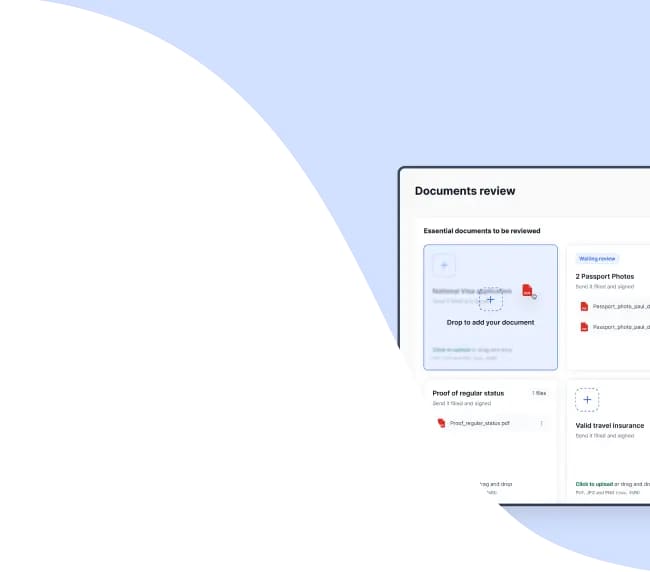
비자 신청 서류 검토 받기
포르투갈 변호사 협회에서 인정받은 변호사에게 비자 서류를 검토받으세요
비자 신청서 검토


포르투갈 이민 변호사의 검토
100% 원격: 직접 포르투갈에 있을 필요 없음

포르투갈 대학은 주재원들에게 얼마나 환영적인가요?
포르투갈은 다음과 같은 이유로 알려져 있습니다:포용적이고 친근한 문화로 인해 국제적인 인기 목적지 학생들.
주재원 지원 서비스
- 국제 사무소: 대학에서는 입학, 비자 절차, 주거, 그리고 정착 지원 등을 위한 전담 팀을 제공합니다.
- 어학 프로그램: 많은 대학에서 비원어민을 위한 집중 포르투갈어 강좌를 제공합니다.
- 학생 네트워크: 대학에는 현지 학생 및 유학생 동아리가 활발히 활동하며, 문화 행사와 멘토링 프로그램을 조직합니다.
- 버디 시스템: 현지 학생들이 종종 신입생이 대학 생활에 적응할 수 있도록 돕습니다.
문화 적응
포르투갈의 풍부한 문화 유산과 여유로운 생활 방식은 주재원들에게 매력적입니다.
포르투갈 국가의 다양성 중시 이것은 리스본, 포르투, 코임브라와 같은 주요 도시를 중심으로 국제적인 공동체가 형성되면서 환영받는 분위기를 조성합니다.
포르투갈에서 주재원의 학위 인증은 어떻게 이루어지나요?
해외에서 취득한 학위를 보유하고 포르투갈에서 공부하거나 일하고자 한다면,학위 인증 및 인정은 필수적입니다.
졸업장 인증 절차
포르투갈은 볼로냐 프로세스를 따르며, EU 또는 볼로냐 가입국에서 취득한 학위를 간소화된 절차로 인정합니다.
누가 인증이 필요한가요?
- 보ologna 학제에 속하지 않는 국가의 학위를 소지한 학생들.
- 규제 직종에서 근무하고자 하는 전문가 예컨대 법학, 공학, 의학 등입니다.
인정 유형:
- 동등성: 외국 학위가 특정 포르투갈 학위와 동등함을 확인합니다.
- 인정: 외국 학위를 동등한 자격으로 인정하지 않지만, 그 학위를 공식적으로 인정합니다.
졸업장 인증 절차:
- 다음 기관에 서류를 제출하세요: Direção-Geral do Ensino Superior (DGES)원하는 동등 학위를 제공하는 대학교 또는 특정 대학의 학위.
- 필요 서류:
- 원본 졸업장.
- 성적증명서 및 교과목 설명서.
- 아포스티유는 귀하의 본국에서 발급됩니다.
- 공인 포르투갈어 번역
- 처리 수수료 지불 (사례에 따라 €100~€500)
- 처리 소요 시간: 60~180일
포르투갈에서 학위를 취득한 후 해외에서 사용하고자 할 경우, 해당 학위의 인정 여부는 어떻게 되나요?
해외에서 포르투갈 학위를 활용하고자 한다면:
- 볼로냐 프로세스(Bologna Process)에 따라, EU 회원국은 자동으로 해당 학위를 인정합니다..
- 비EU 국가의 경우, 현지 인정 기관 또는 동등성 절차에 대해 문의하세요.
공부를 희망하는 이민자를 위한 포르투갈 비자 옵션은 무엇입니까?
유학생 비자 종류
포르투갈에 입국하려면 유학생은 비자가 필요합니다. 주요 옵션은 세 가지입니다:
- 자격 요건: 전일제 학사, 석사 또는 박사 과정에 재학 중인 학생
- 기간: 1년; 매년 갱신 가능
요건:
- 대학 입학 허가서
- 재정 능력 증명 (연간 최소 11,040유로)
- 건강 보험.
- 숙소 확인서
- 자격 요건: 현재 EU에서 공부 중인 비EU 학생은 포르투갈로의 이주를 신청할 수 있습니다.
- 기간: 프로그램 기간에 따라 결정되며, 갱신이 가능합니다.
- 특징: 에라스무스+와 같은 교환 프로그램으로 전학하는 학생들을 위한 간소화된 절차입니다.
3) E9 비자 (단기 교육):
- 자격 조건: 1년 미만의 과정(예: 언어 코스 또는 전문 자격증)에 등록하는 학생이 신청할 수 있습니다.
- 기간:최대 12개월
- 요건:수강 신청 증명, 재정 능력, 숙소 제공 증명
체류 허가
포르투갈에 입국한 후 학생들은 체류 허가를 신청해야 합니다. 통해 이민·통합·망명청(AIMA).
- 신청 수수료: 약 €150
- 필요 서류: 여권, 비자, 등록 증명서, 재정 능력 증명, 주거 증명
포르투갈에서 주재원에게 가장 적합한 대학교는 어디인가요?
주재원 대상 기준
- 영어 강의 프로그램 제공
- 국제 학생 네트워크의 활성화
- 주재원 친화 도시와의 인접성
최고 수준의 대학
1) 리스본 대학교 (Universidade de Lisboa)
- 전공 분야: 과학, 공학, 인문학
- 특징: 포르투갈에서 가장 큰 규모의 대학교로, 광범위한 연구 시설 보유
- 왜 주재원들이 선택하는가: 다양한 국제 학생 커뮤니티와 영어로 수업하는 석사 프로그램들이 풍부합니다.
2) 포르투 대학교 (Universidade do Porto)
- 전문 분야:건축, 의학, 공학
- 특징:세계적인 수준의 시설과 활기찬 주재원 커뮤니티
- 주재원들이 선택하는 이유: 저명한 학문 프로그램과 강력한 산업 연계가 주요 요인입니다.
3) 코임브라 대학교 (Universidade de Coimbra)
- 전공 분야: 법학, 인문학, 자연과학
- 특징:포르투갈에서 가장 오래된 대학, 유네스코 세계문화유산
- 이주민이 선택하는 이유: 풍부한 역사, 강한 전통, 그리고 대규모 국제 학생 인구
4) 노바 리스본 대학교 (Universidade Nova de Lisboa)
- 전문 분야: 경제학, 법학, 생물학 분야
- 특징: 최신식 캠퍼스와 혁신적인 교육 방법
- 왜 주재원들이 이곳을 선택할까요? 비즈니스 및 경제학 분야에서 높은 평가를 받고 있습니다.
5) 아베이루 대학교 (Universidade de Aveiro)
- 전문 분야: 환경 과학, 해양 연구 및 기술 분야
- 특징: 최첨단 시설과 지속가능성 중심 프로그램
- 이주자들이 선택하는 이유: 연구 지원 체계와 고요한 해안가 위치가 주요 요인입니다.
5분 만에 온라인으로 포르투갈 NIF 신청
포르투갈 NIF를 쉽고 안전하게 발급받으세요. 세무 당국(Autoridade Tributária)에서 공식 처리하며, Serviço de Finanças 비밀번호도 함께 제공됩니다.
지금 포르투갈 NIF를 받으세요
24시간 이내 이메일로 발송


포르투갈의 학습 경험은 일반적으로 세 가지로 정의됩니다: 활기찬 문화, 커뮤니티에 대한 강한 소속감, 그리고 포르투갈에서 생활하는 것이 캠퍼스 중심이 아닌 도시와 시골의 느낌을 주는 라이프스타일입니다. 대부분의 대학 도시에서는 유럽의 포르투갈 교육 환경(Bologna/ECTS)에서 공부한 후 바로 역사적인 동네, 카페, 박물관, 해변가 주말로 이어집니다.
학생 생활의 일반적인 느낌
- 사회적인, 걸을 수 있는 일상 리듬: 학생들은 강의실/도서관과 현지 동네에서의 저녁 시간을 나누는 활발한 하루를 묘사합니다. 특히 리스본과 포르투에서는 도시 자체가 학생 생활의 일부가 됩니다.
- 문화는 “내장”되어 있습니다: 야경뿐만 아니라 문화 유산은 구체적이고, 역사적인 캠퍼스, 전통, 콘서트, 현지 축제가 있습니다. 코임브라는 특히 학생 전통과 연중 학생 분위기로 자주 묘사됩니다.
- 진정한 커뮤니티 지원: 포르투갈의 공공 정책에는 고등 교육에 대한 사회적 지원 프레임워크(사회적 행동 지원, 장학금, 접근성과 학생 성공을 개선하기 위한 조치)가 포함되어 있으며, 대학들은 일반적으로 국제 학생을 위한 가이드와 온보딩을 제공합니다.
국제 학생들이 가장 좋아하는 것
- 빠르게 네트워크를 구축하기 쉬움: Erasmus 코호트, 버디 프로그램, 국제 사무실은 특히 리스본, 포르투, 코임브라에서 빠르게 사람을 만나기 쉽게 만듭니다.
- 강한 “수업 외” 생활: 학생들은 일일 여행, 해변 휴가, 저렴한 현지 활동 등을 핵심 경험의 일부로 자주 언급하며, 이는 사치스러운 추가 사항이 아닙니다.
일반적인 마찰점(학생들이 어떻게 처리하는지)
- 주택이 가장 큰 변수: 실제로는 거주지가 대학 브랜드보다 경험을 더 크게 좌우할 수 있습니다. 많은 학생들은 큰 도시에서는 주택 연구를 일찍 시작하고 보수적으로 예산을 세우는 것을 권장합니다.
- 행정 일정은 중요: 국제 학생들은 문서와 약속(비자 시간, 거주 절차 등)을 신중하게 계획해야 한다는 점을 자주 지적합니다. 대학 자체도 비EU 학생을 위한 조기 준비를 조언합니다.


포르투갈에서의 학생 생활에 대해 잘 모르시나요?
걱정 마세요, 우리 전문가 중 한 명과 무료로 상담하시고, 우리가 함께 해결해 드리겠습니다.
마무리
포르투갈의 대학 시스템은 학문적 우수성, 합리적인 비용, 접근성을 결합하고 있습니다. 체계적인 학위 프로그램, 견고한 학점 시스템, 그리고 이민자 친화적인 정책으로 인해, 포르투갈은 고품질 교육을 추구하는 국제 학생들에게 이상적인 목적지입니다.
포르투갈의 대학들은 품질 교육의 문을 열어주며, 문화적 풍요와 전문적 기회로 이어집니다. 입학 절차, 비자 요건, 지원 시스템을 이해함으로써, 이민자들은 이 활기찬 학문 환경에 원활하게 통합할 수 있습니다.
이 기사를 공유하세요








 유럽에서의 이주