What is a NIF in Portugal?
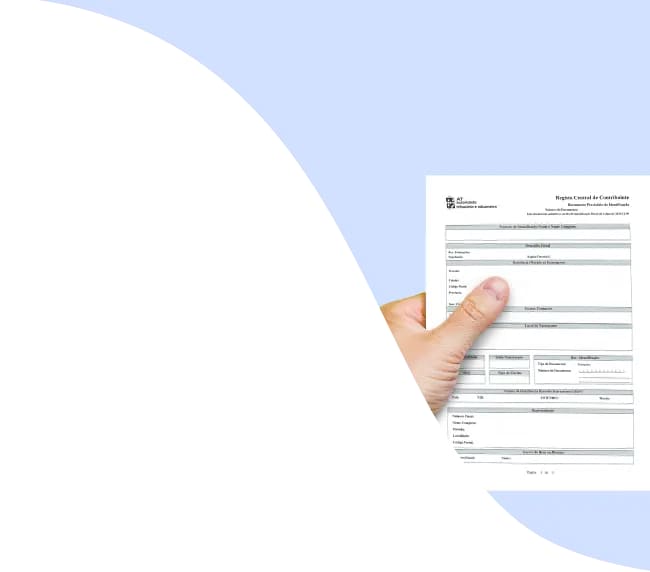
NIF stands for 'Número de Identificação Fiscal'.
You may also hear 'número de contribuinte', 'contribuinte', Portuguese tax number, taxpayer number, or fiscal number.
They all refer to the same nine-digit number.
Your NIF identifies you to the Portuguese tax system. It's not a visa, residence permit, or proof of Portuguese residency.
Foreign citizens can receive a NIF while still registered as non-residents using an address abroad.
If you later move to Portugal, you update the record attached to the same NIF rather than getting a new number.
What do you need a Portuguese NIF for?
You'll run into the NIF early in most moves to Portugal.
Common uses include:
At shops, you may hear “Contribuinte?” This means the cashier is asking whether you want your NIF added to the invoice.
Can you get a NIF before moving to Portugal?
Yes.
Both EU and non-EU citizens can receive a NIF before becoming Portuguese residents.
You don't need a Portuguese address or residence permit to have the number assigned.
If you're preparing a move, getting the NIF early means it won't hold up later steps like banking, housing, employment and contracts.
How to get a Portuguese NIF from abroad
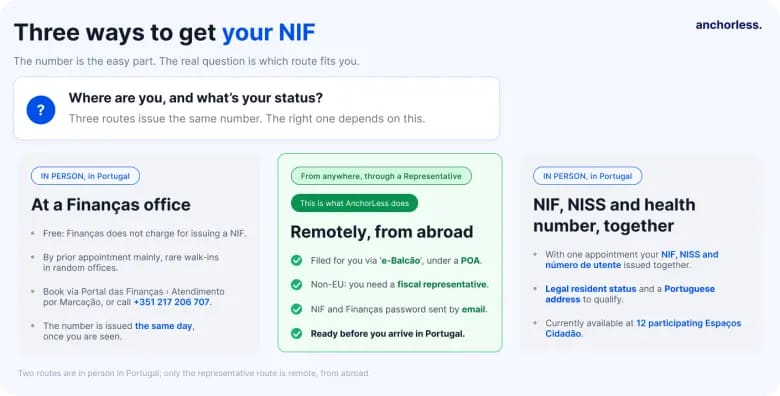
If you're outside Portugal, a legal (or fiscal) representative submits the NIF application remotely through 'e-Balcão' on the Portal das Finanças.
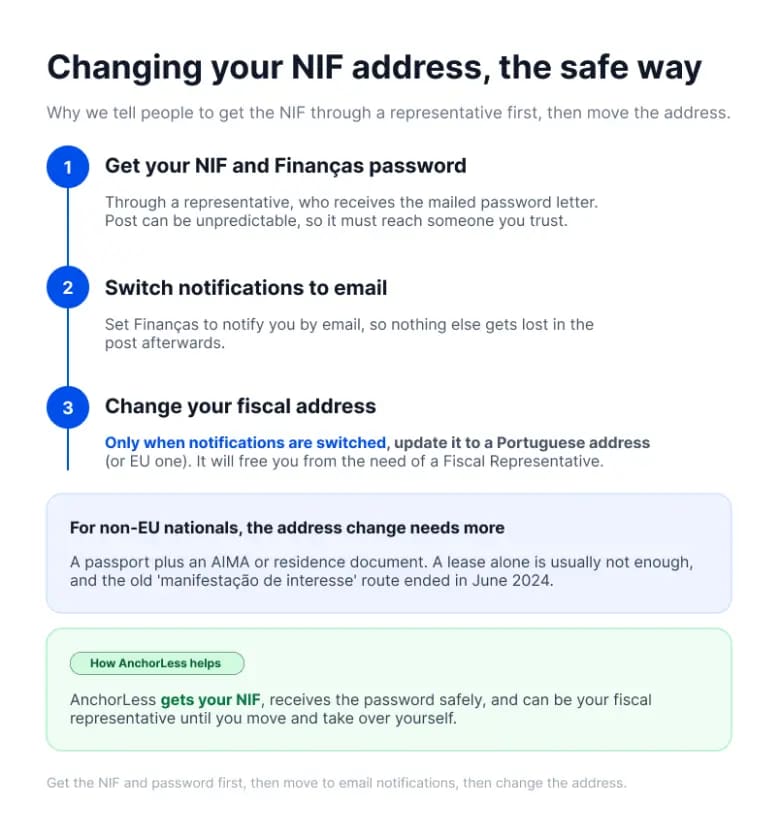
AT treats the legal representative submitting the request as distinct from a fiscal representative, whose role is ongoing.
Remote NIF in 3 steps
1. Prepare your documents.
You'll usually need valid ID and proof of your current address.
2. Authorize a legal representative.
You give the representative authority to request the NIF for you through a POA.
3. The representative submits the application.
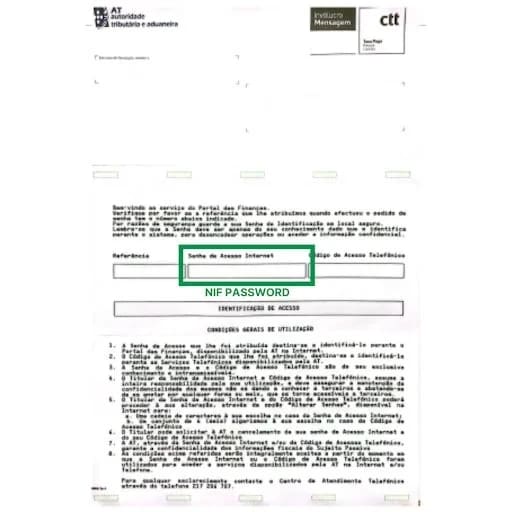
Finanças reviews the file and issues the NIF. Your representative then receives the NIF document and sends it to you.
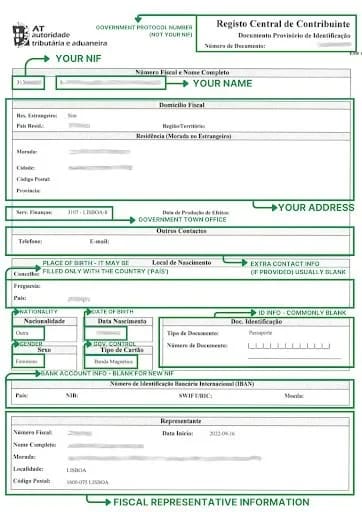
For AnchorLess clients, the document is sent by email after issuance.
What documents do you need?
For most foreign applicants, there are two core documents:
- valid identification, normally a passport or accepted national ID (for EU/EEA);
- proof of your current address, unless that address already appears on your ID.
A remote application also requires a power of attorney authorizing the legal or fiscal representative to request the NIF.
The process isn't especially document-heavy. Most avoidable problems happen in the preparation.
What can delay a remote NIF application?
In AnchorLess's experience, common preparation problems include:
- a required document being left out;
- an incomplete form;
- a missing signature;
- an unsigned power of attorney;
- incomplete or unreadable scans;
- information that does not match the supporting documents.
Public AnchorLess customer reviews show similar situations, including applicants resolving upload or proof-of-address issues before the NIF was issued.
Once a complete standard application reaches Finanças, the flow is usually straightforward:
Submitted → reviewed → NIF issued → document available
Can Finanças make a mistake on the NIF?
Yes, although it is uncommon.
Based on AnchorLess's operational experience, less than 1% of applications may need a correction after issuance because information was entered incorrectly by Finanças.
Examples we've encountered include wrong address, an error in the applicant's name, or an incorrect gender marker.
The <1% figure is an AnchorLess operational estimate, not an official AT statistic.
Corrections can also take longer than the original issuance because they become a separate internal AT process.