




Things to Know Before Moving to Portugal: Your Checklist

In short
Portugal rewards patience. If you come expecting every system to behave like your home country, you will feel stuck. If you come expecting a learning curve, you will adapt faster.
Summarise this article with the AI of your choice:
Moving countries is rarely hard because of the big ideas. It’s hard because of the small, repeated frictions: the apartment that looks perfect but grows mold in winter, the appointment that takes three tries, the delivery that never gets left at your door, the form that needs a document you did not know existed.
This guide pulls together what long term residents repeatedly report in expat forums and public expat communities, plus official and institutional references for the parts that must be fact based, like wages, visas, healthcare access, residence renewals, and taxes.
What to know before moving to Portugal?
If you are searching for things to know before moving to Portugal, here’s the most practical framing: Portugal is an excellent place to build a calm life, but moving to Portugal goes smoother when you plan for housing quality, admin timelines, and language, not just scenery and cost. This is a guide for expats who want the real version of living in Portugal, and what to expect when moving to Portugal beyond the highlight reels.
Table of contents10
- What to know before moving to Portugal?
- What are the costs of living in Portugal?
- What are the visa requirements for Portugal?
- What is the quality of life in Portugal?
- What challenges do expats face in Portugal?
- 30 things immigrants and expats often say they wish they’d known before moving to Portugal
- Other cultural and daily life details
- Housing and climate: the mold, cold, and comfort gap
- What is the education system like in Portugal?
- What is the process of relocating to Portugal?
Moving to PortugalFree
Talk to us about your move
- Tell us your plans first
- Advice tailored to your move
- Book a time that suits you
4.8/51,500+ reviews
The “wish I knew” quick list
- Homes can feel colder inside than outside in winter because insulation and heating vary a lot, and heating multiple rooms can get expensive.
- Humidity and mold are a real first winter shock in many areas, especially if you have never lived in a humid climate.
- Bureaucracy is doable, but slow, and “try again” is part of the process.
- AIMA and residence cards can involve long waits, uncertainty, and travel limitations while you wait.
- Relationships matter. Email can be ignored. Calls, WhatsApp, and in person visits work better.
What are the costs of living in Portugal?
The cost of living is often lower than in the United States, but the experience of “affordable” depends on where you live and how you earn. Many expats are surprised by the gap between housing costs in hotspots and local salaries, and by how quickly expenses change when you pick Lisbon, Porto, Cascais, or the Algarve versus inland towns.
Cost of living, wages, and why affordability feels different on the ground
Portugal’s statutory minimum wage is €920 per month starting January 2026.
Numbeo’s crowd sourced estimates, useful for directional budgeting, put monthly costs excluding rent around €669 for a single person and about €2,421 for a family of four across Portugal, with Lisbon higher.
This is the tension people describe: affordable living exists, but expenses in Portugal feel tight when rent climbs faster than income, especially in high demand areas.
Housing costs
Idealista’s rent reporting shows how fast and uneven the market can move by region. For example, Idealista reported a national median around €16.2 per square meter in February 2026, with sharp differences by location and recent changes that can be dramatic even in “traditionally cheaper” areas.
Electronics, imports, and “surprise expensive” categories
A recurring expat complaint is that electronics and some imported items cost more than expected. It’s not usually the daily groceries that hurt, it’s the “replace my laptop, phone, toy, or appliance” moment.
Taxes
Portugal’s personal income tax is progressive and the top marginal rate reaches 48%.
Capital gains are often discussed as 28% in everyday expat conversations, and some advisory guides describe 28% as a common autonomous rate, depending on asset type and election options.
What are the visa requirements for Portugal?
Visa rules change, so your anchor should always be current consulate checklists and government portals, not influencer summaries.
Core requirements you will see in checklists
Across residence visa checklists, you will repeatedly see: an application form, valid passport, photos, proof of means, proof of accommodation, criminal record documentation (often with legalization or apostille depending on your country), and proof of insurance.
D7 visa
The D7 is a residence visa aimed at retirees and other foreign nationals who intend to reside in Portugal based on their own income, such as pensions, rents, dividends, and similar passive income sources.
What matters in practice is not only meeting a baseline number, but presenting stable income, clean documentation, and a coherent plan for housing and stay.
Timelines and citizenship expectations
Some expat plans assume a quick, stable path from residence to citizenship. But policy can change. The government announced changes that would increase the residency requirement for most foreigners from five to ten years before applying for citizenship, with a reduced seven year requirement for immigrants from Portuguese speaking countries. Always verify the current rule at the moment you plan your long term strategy.

What is the quality of life in Portugal?
Many people move for a calmer daily rhythm, safety, food culture, and a more human scale pace. When people talk about quality of life, they also mean health care, and whether public and private services are accessible in the place they actually choose to live.
Health care, public and private services
Portugal’s public system (SNS) assigns an SNS user number, often called “número de utente.” The government’s own guidance explains that non nationals are allocated a number the first time they go to a public health facility such as a health centre or hospital.
In practice, many expats combine SNS access with private care for speed and convenience, especially for specialist appointments and predictable scheduling.
What challenges do expats face in Portugal?
The most common challenges of moving to Portugal are not usually about whether Portugal is “good.” They are about expectation management. The lived difficulties living in Portugal tend to be slow admin, housing quality surprises, and the grind of adapting to a different way of doing things. These are classic expat challenges rooted in cultural differencesand language barriers.
30 things immigrants and expats often say they wish they’d known before moving to Portugal
Below is a single list that matches the recurring themes you see across expat threads and long term resident discussions, including the original 30 point list you requested.
Home, climate, and comfort
- Homes can feel colder inside than outside in winter because insulation and heating quality vary.
- Humidity and mold are a real “first winter shock,” especially near the coast and in the North.
- Ventilation becomes a daily habit, especially after rain, to keep humidity down.
- A dehumidifier is one of the first purchases many expats recommend.
- Laundry drying can become a whole system in winter, especially without a dryer.
Costs, housing, and money reality
- Portugal’s “cheap” reputation is outdated in many areas, especially when you compare rent to local salaries.
- Lisbon and Porto housing costs come up constantly as the main budget breaker.
- Cash is still used more than many newcomers expect, especially in small daily transactions and outside big cities.
- The mismatch between “rent level” and “apartment quality” is a repeated complaint.
Bureaucracy, timelines, and paperwork
- Bureaucracy is slow and often requires multiple attempts.
- Appointments are not always treated like fixed time slots, so you plan buffers.
- AIMA is frequently described as chaotic to navigate.
- Waiting for residence cards and renewals can restrict travel plans more than expected.
- A visa is not the finish line. Post arrival steps still take time and coordination.
Work, tax, and compliance surprises
- Tax residency can “sneak up,” and people recommend tracking days carefully because 183 days is a common threshold used in residency tests.
- Freelancers and independent workers warn about registration, invoicing, and VAT planning once you start working.
- Social security can overlap across countries if you work internationally, unless you handle exemptions and registration correctly.
- Banking can be harder than expected and can become a blocker because other steps depend on it.
- Your name must match perfectly across documents or you create avoidable friction across banking, rentals, and admin.
Daily life logistics and “systems you learn late”
- Tradespeople and services can ghost you, so follow ups and persistence matter.
- Email responsiveness can be weak. Phone, WhatsApp, and in person visits often work better.
- A lot runs on informal workarounds. Some expats are surprised by how much depends on who you know.
Transport, driving, and weather realities
- Portugal is car centric in many places, and cyclists often find infrastructure inconsistent.
- Driving culture can be a shock to newcomers and a source of stress.
- Rain can disrupt everything from traffic to appointments, and wet weeks amplify mold issues.
Culture, language, and belonging
- The ocean is colder than many newcomers expect, even in summer.
- Portuguese is harder than many expect, especially spoken European Portuguese.
- European Portuguese vs Brazilian Portuguese matters in real life, especially pronunciation and everyday comprehension.
- Social integration can be slower than expected, and routine plus hobbies tend to work better than one off meetups.
- People run into tension around “expat vs immigrant” language and occasional negativity toward foreigners, so cultural sensitivity matters.
Other cultural and daily life details
These are not only relocation steps, they are the “Portugal specific” parts of adaptation that surprise people.
Everyday rhythm
- Meals take time, and restaurants typically do not bring the check until you ask.
- Many small shops close for lunch, and banking hours can feel limited compared to what newcomers expect.
- Strikes happen, especially transport strikes, and you learn to watch announcements.
Social norms and communication
- Portugal is often described as friendly and helpful in face to face interactions, but more relationship based than email driven.
- Politeness is real, and “soft persistence” often works better than pushing hard.
The ground you walk on
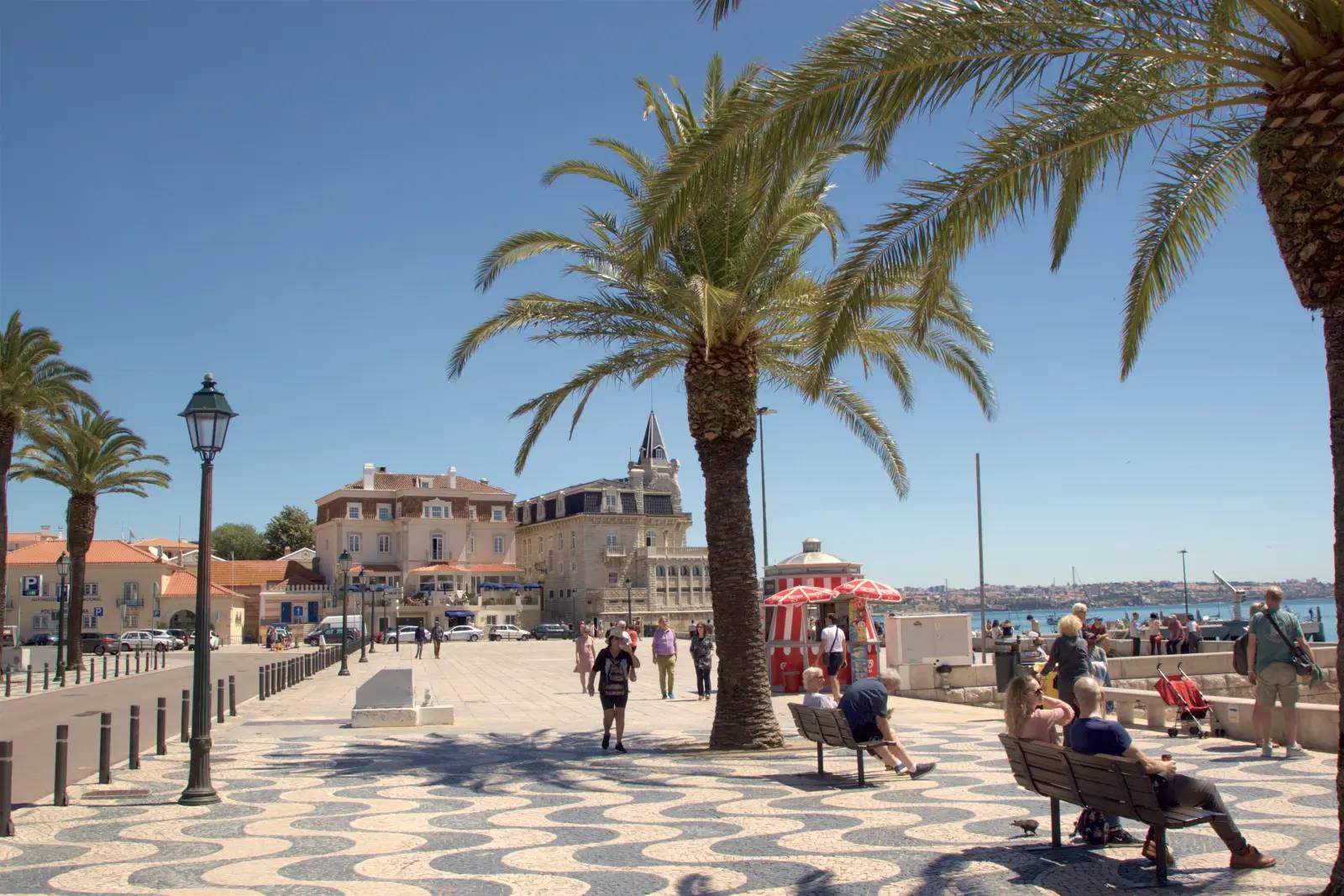
- Calçada portuguesa looks beautiful, but it can be slippery when wet, and uneven sidewalks are common.
Payments and logistics
- Banking is digital in daily life, and many expats rely on MB WAY quickly. MB WAY is built by SIBS and links your mobile number to your bank card for payments and transfers.
- Deliveries are often hand to hand rather than left at the door, so planning around being home matters.
- Returns can be more annoying than people expect outside big platforms.
Housing and climate: the mold, cold, and comfort gap
Many expats report that older buildings can have weak insulation and ventilation, leading to cold indoor temperatures and humidity issues in winter.
What people wish they checked before signing
- ventilation in bathrooms and kitchens
- sun exposure and airflow
- signs of previous damp or patch jobs
- whether windows seal properly
- whether the building has a heating strategy that fits your routine
Mold is not a niche complaint. It is one of the most repeated expat “surprises,” with practical advice like daily airing, dehumidifiers, and moisture absorbers showing up again and again.
Bureaucracy and admin load
AIMA appointments, renewals, and general admin timelines are frequent stressors in expat forums. People describe difficulty reaching services, repeated attempts, and uncertainty.
The good news is that there are official online pathways for some residence permit renewals, and Portugal’s justice portal references the online renewal mechanism through AIMA’s renewal portal.
Cultural differences and language barriers
“Portugal is friendly, but reserved” is a common summary. Many find it easier to build friendships through hobbies, routines, and repeated contact, not through one off social events.
Language is the multiplier. Even basic Portuguese reduces friction in healthcare calls, landlord conversations, school meetings, and government desks.
What is the education system like in Portugal?
Families tend to underestimate how early they need to plan schooling. Portugal has public and private options, plus international school ecosystems in major hubs.
Compulsory education lasts 12 years, typically from age 6 to 18, per Eurydice. This aligns with widely used expat references that describe education stages and the 6 to 18 requirement.
Schooling options
Public schools
Public schools can be a strong fit for integration, but language support and local capacity vary by area.
Private schools
Private schools range from local Portuguese private institutions to bilingual programs.
International school
International school typically means an English language curriculum and higher fees. Availability can be tight in popular regions, so families often recommend securing a plan before relocating, then adjusting after arrival.
What is the process of relocating to Portugal?
If you want a structured view of relocating to Portugal, treat it as a project with phases, and build redundancy into every step. Here we’ll see a checklist for moving to Portugal, the documents needed for moving, and the most reliable steps to move to Portugal before and after arrival.
For these steps country by country, see our guides to moving to Portugal from the US, the UK, Canada, Brazil, Germany, France, Italy and the Netherlands.
Preparing for relocation: the step by step that matches real life
Step 1: Choose your region based on daily life, not vibes
Lisbon and Porto can be convenient for services and flights, but expensive for rent. Inland can be cheaper, but may increase bureaucracy friction if you need frequent in person appointments or English speaking services. Idealista’s rent reporting illustrates the spread and the volatility.
Step 2: Secure housing that matches Portugal’s climate reality
Prioritise ventilation, sunlight, and building condition over “cute tiles.”
Step 3: Build your documents pack early
Your consulate checklist will differ by country, but residence visa checklists commonly include proof of accommodation, proof of means, criminal record certificates, and insurance.
Step 4: Submit the visa application with a “proof first” mindset
Organise evidence so a reviewer can understand your story quickly: income, savings, accommodation, intent, and ties.
Step 5: After arrival, treat admin as a weekly rhythm
Plan time for:
- residency permit steps and renewals where applicable
- registering for healthcare access and getting your SNS user number when you first use SNS public facilities
- setting up banking and payments
- mobile number and everyday logistics
Checklist for moving (copy and use)
Documents needed for moving
- passport valid for the full timeline
- visa application form and photos
- proof of accommodation
- proof of financial means
- criminal record certificate with required legalization or apostille per your consulate
- travel insurance proof where required
First 30 days in Portugal (practical)
- get a Portuguese phone number early, it helps with services and rentals
- set up banking and a payments routine, MB WAY becomes useful quickly
- buy humidity control tools if your home needs them
- start Portuguese learning early, even if it is only survival phrases
Portugal rewards patience. If you come expecting every system to behave like your home country, you will feel stuck. If you come expecting a learning curve, you will adapt faster.
The expats who seem happiest are not the ones with the perfect plan. They are the ones who planned for reality: housing that stays healthy in winter, an admin buffer in their calendar, a flexible timeline for paperwork, and a real commitment to language and community.
Share this article






 MOVING IN EUROPE