Portekiz AIMA: Randevular, oturum izinleri ve belgeler

Kısaca
AIMA, 2026 yılında, geçmişteki yoğunluk nedeniyle manşetlere çıkan kurumdan tamamen farklı bir yapıya sahip.
Makaleyi seçtiğiniz yapay zekâyla özetleyin:
Portekiz'deki AIMA, resmî adıyla Agência para a Integração, Migrações e Asilo, göçmenlik işlemlerini yürüten ve karar veren kurumdur ikamet izinleri, yenilemeleri, ve AB vatandaşları için aile birleşimi ve AB üyesi olmayan vatandaşlarAIMA yerine SEF SEF Portekiz 2023 yılında başladı ve şu anda Portekiz göçmenlik sürecinin idari tarafını yönetiyor, ilk AIMA randevusundan her oturum izni yenilemesine kadar.
Eğer siz de AB, AEA veya İsviçre dışından taşınma, AIMA Portugal ile erken tanışmak ileride gerçek dertleri önlemeye yardımcı olur. Evrak işleri nadiren sorun yaratır; asıl bekleyişler AIMA randevusuna ulaşmak ve ardından ikamet izni kartını almakla geçer.
Resim iyileşti. AIMA'nın tanımladığı tarihi gecikmeler büyük ölçüde aşılmış durumda; ikamet izni yenileme süreci artık AIMA portalı üzerinden çevrimiçi olarak yürütülmekte ve doğru kanalı bilenler için AIMA'ya ulaşmak üzere ücretsiz resmi kanallar mevcut.
Aşağıda biz AIMA Portekiz'in ne olduğunu ve AIMA'nın yürüttüğü hizmetleri, vize başvurunuzda randevu yer almaması durumunda AIMA randevusu nasıl alınır, online ikamet izni yenileme süreci nasıl işler , süresiz ikamet ve vatandaşlık avukatın ne zaman faydalı olduğunu, ve 2026 için en son AIMA haberlerini
Hızlı bir not AB, AEA ve İsviçre vatandaşları için: başlangıçta genellikle AIMA’ya ihtiyacınız olmaz, çünkü ilk kayıt işleminiz CRUE süreci üzerinden gerçekleşir. Beş yıllık sürenin dolması ve daimi ikametgâh başvurusuna geçmeniz durumunda AIMA’ya dahasonra ihtiyacınız olur.
İçindekiler8
- AIMA nedir?
- AIMA randevusu nasıl alınır?
- AIMA ikamet izninin yenilenmesi
- 2026 yılında bir AIMA ikamet izni ne kadar tutar?
- AIMA randevu ve başvuru durumumu nasıl kontrol ederim?
- AIMA sürecinizde bir sorun yaşanırsa ne olur?
- AIMA süreci için ne zaman avukat tutmak gerekir?
- 2026'da AIMA'daki güncellemeler neler?
AIMA başvuru dosyanızı inceletin
AIMA dosyanızı Portekiz Barosu tarafından tanınan bir Portekizli avukat tarafından inceletin
AIMA başvurumu incelet


Portekiz Göçmenlik Avukatı tarafından inceleme
100% uzaktan çalışma, 3 iş günü içinde geri bildirimlerle

AIMA nedir?
AIMA, Portekiz'de entegrasyon, göç ve sığınma alanlarında faaliyet gösteren devlet kurumudur. 2023 yılında SEF'ten göçmenlikle ilgili idari işlemleri devralmak üzere kuruldu.
O karar verir kimlerin Portekiz'de yasal olarak yaşamak, ikamet izinlerini verir ve bunu kanıtlayan belgelerle birlikte, sığınma ve entegrasyon süreçlerini de ele alır.
Uygulamada ne anlama geldiğini, öncelikle rolünü ve sunduğu hizmetleri inceleyerek açıklayacağız.
AIMA'nın göçmenlikteki rolü nedir?
AIMA, Portekiz hükûmetinin sorumluluğundaki kurumdur ve bu kurumun görevi AB, AEA ve İsviçre vatandaşı olmayan kişilerin yasal ikamet süreçlerini yönetmektirve bu süreçlerin AB vatandaşları, beş yıllık yasal ikamet süresini tamamladıktan sonra.
Bu gruba dahil olanlar için, AIMA, göçmenlik sürecini yöneten ve Portekiz'de uzun vadeli kalışınızın nasıl devam edeceğini belirleyen göçmenlik kurumudur.
AIMA'nın göçmenlikteki rolü idari nitelikte olup polisiye görevler değildirAIMA'nın sorumlulukları ikamet izinlerinin verilmesikarar verme yenilemeler, ve işlemler aile birleşimi böylece yasal bir ikamet sahibi eş, çocuklar veya bakmakla yükümlü olduğu ebeveynlerini ülkeye getirebilir.
The bağlantı hattıeğer AB, AEA ya da İsviçre vatandaşı değilseniz ve Portekiz'de yaşamayı planlıyorsanız ülkeye giriş için vizeye, ardından ülkeye vardığınızda ikamet iznine ihtiyacınız olacak ve süreciniz AIMA üzerinden ilerleyecek.
AIMA hangi hizmetleri sunmaktadır?
AIMA'nın sunduğu hizmetler üç ana alana ayrılmaktadır: göçmenlik idaresi, sığınma ve uluslararası koruma ile göçmen entegrasyonu.İlk ikisi, SEF'in daha önce yürüttüğü idari çalışmalardır; üçüncüsü ise eski Yüksek Göç Komisyonluğu'ndan devralınmıştır.
Çoğu kişi yalnızca ilk alanı bilir, ancak AIMA hizmetlerinin tamamını bilmek, hangi kapının doğru olduğunu anlamanıza yardımcı olur.
Göçmenlik yönetimi
Göçmenlik tarafında, AIMA hizmetleri, ikamet izinlerini ve ikamet belgelerinin yenilenmesini kapsar.
Aynı zamanda ikamet kartları, kalış sürelerinin uzatılması, AB vatandaşları için süresiz ikamet belgeleri AB vatandaşlarının AB dışından gelen aile üyeleri için ikamet kartları, ve İngiliz vatandaşları için izinler Brexit düzenlemeleri kapsamındadır.
İlk olarak netleştirilmesi gereken iki terim var: vize ve ikamet izni.
Portekiz vize türleri nelerdir?
ve vize nedir size Portekiz'e giriş yaparak yerleşme olanağı sağlar.
AB dışından gelenler için genellikle buraya taşınmak amacıyla alınan bir konsolosluk tarafından verilen ikamet (D) vizesi, örneğin D7 (pasif gelir veya emekliler için), D8 (uzaktan çalışanlar ve dijital göçebeler), çalışma ve HQA vize türleri, öğrenci vize, ya da aile yoluyla.
Vize bir geçici giriş belgesidir; tek başına size ikamet statüsü kazandırmaz. Vizeye sahip olmak sadece giriş biletidir ve AIMA, ülkeye ayak bastıktan sonra karşılaşacağınız kurumdur.
Vizeyi konsolosluk verir, ancak nihai karar yetkisi AIMA'ya aittir. Yabancılar Kanunu'nun 53. maddesine göre, ikamet vizesi için zorunlu ön görüş ('parecer prévio'), başvurunuzun göç riski analizini gerçekleştiren AIMA tarafından verilir.
AIMA'nın belirlenen süre içerisinde itiraz etmemesi durumunda vize süreci devam edebilir, ancak AIMA'nın olumsuz görüşü bağlayıcıdırve konsolosluk üzerinden vize veremez.
Bu nedenle dosyanız Portekiz'e ayak basmadan önce bile AIMA'dan geçer.
Portekiz ikamet izni nedir?
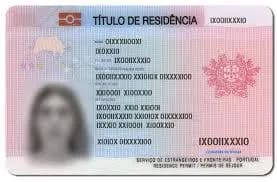
Portekiz ikamet izni, ikamet izni ('autorização de residência') vizeyle ülkeye giriş yaptıktan sonra AIMA tarafından verilen ve yasal ikamet statünüzü kanıtlayan belgedir.
Bu belge genellikle iki yıl geçerli olan ve yenilenebilir birfiziksel ikamet kartı şeklinde verilir ve yaşama, çalışma ve hizmetlere erişme haklarınızı taşıyan belgedir.
Tüm amacı randevu ve yenileme Aşağıdaki adımlar bu iznin alınması ve korunması sürecini kapsar ve başvuru sırasında hazırladığınız belgeler, randevuda AIMA'nın incelediği belgelerle aynıdır.
Uluslararası koruma ve sığınma
AIMA, uluslararası koruma ve sığınma başvurularından sorumlu yetkili kurumdur.
Portekiz'de mülteci ya da sığınmacı, dosyanız, bu rehberde odaklandığımız ikamet izinlerinden ayrı bir hukuki süreç kapsamında burada karara bağlanır.
Göçmen entegrasyonu
Entegrasyon hizmetleri kapsamında, AIMA tarafından entegrasyon ve dahil etme programları, ayrımcılık karşıtı çalışmalar ve Portekizce kaynaklar ile göçmen destek merkezleri gibi kamu hizmetleri.
Bu entegrasyon hizmetleri, izin hizmetlerinden ayrıdır; ancak aynı kurum tarafından sunulmaktadır.
Bilmeniz gereken iki destek hizmeti bulunmaktadır; çünkü neredeyse hiç kimse tarafından kullanılmamakta ve her ikisi de şu anda AIMA çatısı altında yer almaktadır.
CNAIM ve CLAIM ofisleri nedir?
- CNAIM ('Centros Nacionais de Apoio à Integração de Migrantes') ülkenin en büyük ulusal tek duraklı hizmet merkezleridir ve göçmen entegrasyonuna yönelik birçok kamu hizmetini tek bir çatı altında toplar: göçmenlik ve sosyal güvenlik, sağlık, ve hukuki yönlendirme hizmetleri sunmaktadır; onlarca dilde telefonla tercüme imkanı da mevcuttur.
- CLAIM ('Centros Locais de Apoio à Integração de Migrantes') yerel versiyonları olup, yaşadığınız yere daha yakın belediyelerde yayılmış, aynı türde destek hizmetleri sunan daha küçük ofislerdir.
Ayrıca Göçmen Destek Hattı da bulunmaktadır. Hat numarası: 808 257 257 ya da +351 21 810 61 91 (hafta içi, yaklaşık 09:00 - 19:00 saatleri arasında), yerel arama ücreti karşılığında çok dilli bilgi sunmaktadır.
Üç hizmet de aşağıdaki konularda destek sağlamaktadır yönlendirme: hangi kanalı kullanacağınız, formu nasıl dolduracağınız, temel hukuki rehberlik. Sizin yerleşim durumunuzu belirlemezler, bu nedenle onları doğru kapıyı bulmak için kullanın, kilidi açmak için değil.
SEF nedir ve AIMA ne zaman kuruldu?
AIMA, 41/2023 sayılı Kararname ile kuruldu ve 29 Ekim 2023 tarihinde faaliyetlerine başladı, SEF'in ('Serviço de Estrangeiros e Fronteiras') yerini aldı. SEF, sınır güvenliği ile göçmenlik idaresini bir arada yürütmekteydi.
Hâlâ SEF'e ait AIMA hizmetleri, eski SEF terimleriyle tanımlanan hizmetlerdir, dolayısıyla ikisini de aynı soy ağacının parçası olarak değerlendirin: aynı dosyalar, birçok şehirdeki aynı ofisler, yeni isim ve daha dar bir görev tanımı.
AIMA artık hangi hizmetleri sunmuyor?
SEF lağvedildiğinde görevleri bölündüğü için yanlış yere başvurmuş olmazsınız.
Güvenlik artık Portekiz polis teşkilatıyla. Sınır kontrolü GNR ve PSP'ye devredildi (karada ve denizde GNR, havaalanlarında PSP) göçmenlik, suç ve insan kaçakçılığı konularında Polícia Judiciária'ya, ve pasaport işlemleri IRN'ye.
AIMA idari ve sığınma işlerini yürütmeye devam ederken, kolluk kuvvetleri bu görevleri devraldı.
AIMA'nın mevcut durumu nedir?
AIMA bugün, bir yıl öncesine göre çok daha iyi durumda: tarihi gecikmeler büyük ölçüde temizlendi ve yenilemeler artık çevrimiçi olarak gerçekleştiriliyor.
Sorunlar şimdi şuraya kaydı: iki adım hâlâ yavaş: randevu alma ve fiziki kartı teslim alma, her ikisi de aşağıda 2026 güncellemelerinde detaylı olarak ele alınmaktadır.
AIMA hizmetleri veya bilgileriyle ilgili içeriklerde hâlâ Portekiz'deki SEF terimlerinin kullanıldığını göreceksiniz.
60 dakikada, lisanslı göçmenlik uzmanımız en iyi stratejinizi açıklayarak tüm sorularınıza cevap verir
Taşınmanız için en iyi strateji ve vize kategorisini belirleme konusunda yardımcı olun
Durumunuz, hedefleriniz ve özel sorularınıza göre özel olarak hazırlanmış göçmenlik hukukçumuzun rehberliği


AIMA randevusu nasıl alınır?
AIMA randevusu randevu almak en büyük engel bir ilk ikamet izni.
Başvuru dosyanız eksiksiz olduğunda, ikamet izni başvurusunu teslim etmek genellikle basit bir işlemdir; tarihin alınması öngörülemezdir.
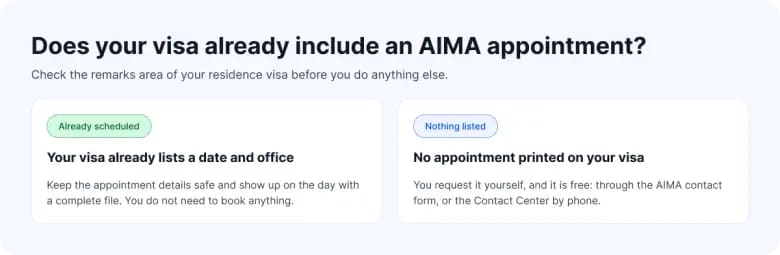
İlk olarak, zaten bir tane olup olmadığını kontrol edin. Pek çok ikamet vizesi, dahil olmak üzere D7, D8, ve D4 başvurularında AIMA randevusu zaten planlanmış olarak verilir ve detaylar vize evraklarınızla birlikte açık bir rezervasyon olarak değil, gizli bir şekilde seyahat eder. Bu nedenle, herhangi bir şey talep etmeden önce konsolosluğun size verdiği evrakları dikkatlice inceleyin.
Eğer atanmadıysa, talep edin aşağıdaki yöntemlerle AIMA İletişim Formu (contactenos.aima.gov.pt), durumunuza tam olarak uyan seçeneği seçerekyanlış seçenek, randevunun yanlış kuyrukta beklemesine neden olur.
Eğer hiçbir seçenek uygun değilse, AIMA ayrıca randevuları e-posta yoluyla yazılı bir yedek olarak talep etmenize de olanak tanır.
Randevular ücretsizdir: AIMA, randevu planlamak için asla ücret talep etmez.ve defalarca sahte rezervasyon siteleri ile kimlik avı e-postaları hakkında uyarıda bulundu. Gerçek bir ödeme talebi ancak daha sonra resmi portalde görünür.
AIMA'ya nasıl ulaşabilirim ve hangi seçeneği seçmeliyim?
Vizenizde tarih belirtilmemişse, randevuyu aşağıdaki yöntemle talep edersiniz AIMA İletişim Formu (contactenos.aima.gov.pt).
Seçim önemlidir:
- bir CPLP üyesi olmayan konsolosluk vizesi sahibi 'Konsolosluk Vizesi ile Oturma İzni (CPLP Üyesi Olmayanlar İçin)',
- iken CPLP üyesi vatandaş girenler CPLP konsolosluk vizesi seçer 'Autorização de Residência CPLP'.
Pasaport ve vize numaralarınızı girin, her ikisini de yükleyin ve onaylamayı saklayın.
Ayrıca AIMA'yı aradığınızdan emin olun AIMA İletişim Merkezi, +351 217 115 000, hafta içi 08:00 - 20:00 arası, veya AIMA e-postası AT geral@aima.gov.pt.
Telefon hattı kısmen dış kaynaklıdır, dolayısıyla hattı açan kişi AIMA görevlisi olmayabilir ve verilen yanıtlar tutarsız olabilir. Bu nedenle her onaylamayı kayıt altına alın.
AIMA randevusu almak için özel olarak hazırlanmış kılavuzumuzda bekleme süreleri, daha erken bir tarih talep etme, ikinci bir randevuya gitmeme ya da randevuyu kaçırma durumları ve herhangi bir tarih çıkmaması halinde izlenecek adımlar detaylıca ele alınmaktadır.
İkamet izni için gerekli belgeler nelerdir?
İkamet izni için gerekli belgeler nelerdir? kesin liste, yani vizeye bağlı olarak değişir, ve her birinin kendi tam spesifikasyon seti bulunur.
Her durumda gerekli olan belgeler için ikamet izni başvuruları başvuru yaptığınız gün geçerli olması gereken geçerli belgeler şunlar olmalıdır:
- genellikle geçerli bir pasaport,
- kategorinize uygun gelir kanıtı,
- konaklama kanıtı,
- sağlık sigortası,
- ve gerektiğinde sabıka kaydı.
Tam bir dosya getirin ve fazlasıyla hazırlıklı olun. AIMA'yı olduğu gibi yetkili merci olarak kabul edin: bir görevli belge talep ettiğinde, onu sunun, yayınlanan kontrol listesinde yer almasa bile, forumlarda 'hiç kimse bunu asla talep etmez' denilse bile ve talep mantıksız görünse bile.
Şüpheye düştüğünüzde, fazla hazırlık yapın, çünkü 'bana sormadılar' bir belgeyi evde bırakmak için geçerli bir sebep değildir.
AIMA, izin belgenizi düzenlemek için gerekli gördüğü herhangi bir belgeyi talep edebilir.ancak gerçekten elde edilmesi imkânsız olan durumlarda avukata başvurulabilir; hatta o durumda bile, talebin kendisinin yanlış olduğunu varsaymayın.
Vize olmadan giriş yaptıysanız (CPLP turist / feragat sistemi)
Eğer girdiyse konsolosluk vizesi olmadanturistik olarak ya da vize muafiyetiyle ülkeye giriş yaptıysanız, gerçekçi olun: Portekiz içindeyken genel bir şekilde yasal hale getirmenin bir yolu yoktur.
‘manifestação de interesse’önceden buna izin veren Haziran 2024'te sona erdi, ve 2026 yılına kadar yapılan yasal değişiklikler birçok kapıyı kapattı; birçok kişinin güvenip başvurduğu ve 'ilgi beyanı 2.0' olarak adlandırılan yüksek öğrenim öğrenci yolunu da bunların arasında.
Günlük çalışma için artık kural şu şekilde: doğru vizeyi konsolosluktan almak ve ülkeden ayrılmak, ve reddedilmesi durumunda ülkeden ayrılması için bir süre verilir.
A birkaç dar istisna hariç hukukta varlığını sürdürmekte olup genel bir yol olarak değil: belirli aile durumları, burada yaşayan bir AB vatandaşının AB dışı aile üyesi olmak ya da Portekizli çocuğun ebeveyni olmak gibi özel durumlar.
Dönüş desteği için CNAIM'e ya da bir avukata başvurun Size uygun olup olmadığınızı kontrol etmek için, sizi yasal hale getirmek amacıyla bir iletişim kanalıyla temasa geçmeyi beklemek yerine (çünkü büyük olasılıkla bu gerçekleşmeyecektir).
Reddedilirsem ('indeferimento') ne olur?
Bir red genellikle size bir ayrılma süresi verilir2026 yılında yürürlüğe girecek yasa kapsamında 20 ila 30 gün arasında belirlendi ve yaklaşık bir yıl boyunca Schengen sistemine kaydedilebilir. Bu nedenle, mektubu görmezden gelmeyin ya da süreyi boşa harcamayın.
Ancak her zaman son demek değildir. İdari başvuru ('recurso') yoluyla ya da mahkemeye başvurarak itiraz edebilirsiniz ve başvuru sahipleri birçok ret kararının iptal edildiğini bildirmektedir.
Bir süreç zaten başladıysa, işte o anda avukat ücretini hak eder.
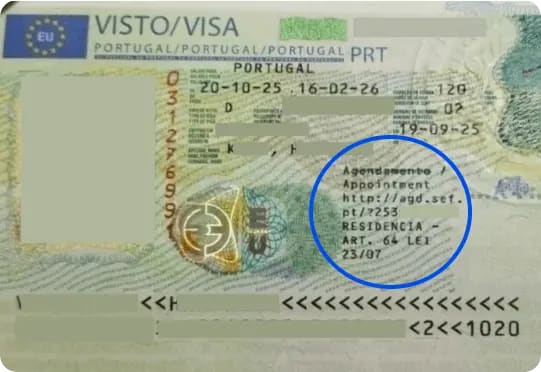
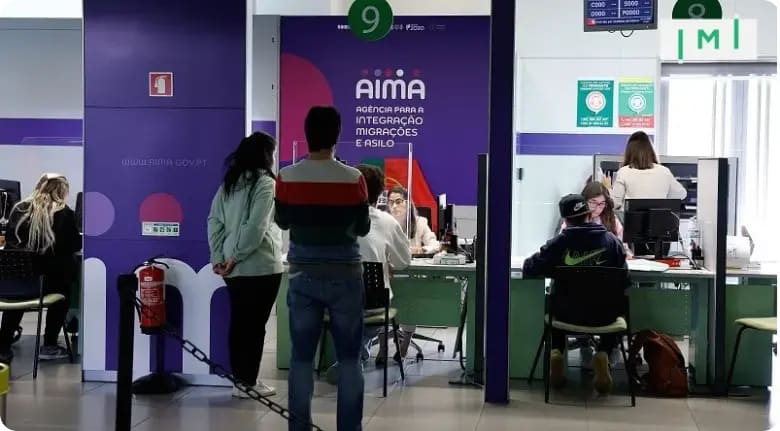
Randevunun, ikamet ettiğiniz yerden oldukça uzak bir ofise verilmesi nadir karşılaşılan bir durum değildir. Bu konuda dikkatli olun; konumunu erken bir şekilde kontrol edin ve buna göre planlama yapın.
AIMA ikamet izninin yenilenmesi
Yenileme işlemi ilk başvurudan daha basit olup, yenileme süreci artık baştan sona çevrimiçi olarak gerçekleştirilmektedir..
Siz ikamet izinlerini yenilemek için Yenileme Portalı (portal-renovacoes.aima.gov.pt): CPLP ya da CPLP dışı rotayı seçin, ardından AIMA'nın otomatik kontrollerini vergi dairesi ve Sosyal Güvenlik Kurumu'na karşı gerçekleştirmesine izin verinödeme yapın, DUC’yi alın ve yalnızca talep edildiğinde belgelerinizi yükleyin.
Çoğu kişi ofise gitmez; AIMA, biyometri veya belge kontrolü gerektiğinde sizi arar.
olan ikamet izinleri için gerekli belgeler yenileme için ilk başvurudan daha hafiftir, ancak hepsi geçerli belgeler olmalıdır başvuru yaptığınız gün. Hazır bulundurun:
- kimliğiniz geçerli pasaport,
- konaklama kanıtı,
- gelir kanıtı izin kategoriniz için
- sağlık sigortası (Ulusal Sağlık Sistemi (SNS) veya özel),
- ve adli sicil kaydı uygulanabilir olduğu durumlarda;
NIF'inizi aktif tutun ve NISS'inizi kayıtlı bulundurun, çünkü uyumsuzluk genellikle yenilemenin gecikmesine neden olan temel nedendir.
Başvurunuzu gönderdiğinizde, portal vergi dairesi (AT) ve Sosyal Güvenlik Kurumu karşısında durumunuzu otomatik olarak kontrol eder. Bir yenileme için bu yükümlülüklerin yerine getirilmesi gerekir (madde 78), bu nedenle herhangi bir borcunuz varsa süreci engelleyebilir.
Portal size bir 'İncelemede' (gözden geçiriliyor) temizleme yerine görüntülenen bir mesajdır; genellikle bir borçtan ziyade senkronizasyon gecikmesidir ve bununla ilgili yapılacaklar aşağıdaki yaygın aksaklıklar bölümünde yer almaktadır.
Ödeme yaptıktan sonra yenileme onay belgesi alırsınız, ve ikamet hakkınız genellikle bir süre boyunca devam eder kartın süresi dolduktan sonra (genellikle 6 ay) boyunca ikamet izni yenileme işlemleri tamamlanana kadar, bu nedenle yeni ikamet izniniz gelene dek hem süresi dolmuş kartınızı hem de başvuru onayınızı yanınızda bulundurun.
Adım adım rehber, gerekli belgeler, ödeme sorunları ve portalın başvurunuzu reddetmesi durumunda yapılması gerekenler hakkında bilgiler, hizmetimiz olan AIMA yenileme kılavuzu.
Süresiz oturum izni hakkında ne düşünüyorsunuz?
5 yıllık yasal ikametin ardından birkaç yenilemeden sonra hedef geçici bir iznin yenilenmesinden süresiz oturum iznine geçiş yapmaktır.
Bu konuya genel bir bakış sunmakla yetiniyoruz, çünkü konu hakkında kendi rehberiancak AIMA burada devreye giriyor.
Sürekli oturum izni başvurusu nasıl yapılır
Beş yıl boyunca yasal olarak geçici ikamet AIMA üzerinden yapılan başvuru ile sürekli ikamet iznine kapı açar.
İkamet süresinin yanı sıra yasa, geçim kaynağı, konaklama, temiz bir sicil kaydı ve Portekizce temel düzeyde bilgi gerektirir.
Başvuru yenileme işlemiyle aynı çevrimiçi mantığı izler: belgelerinizi AIMA portalı üzerinden gönderir, ücreti ödersiniz ve yalnızca AIMA talep ederse görüşmeye katılırsınız.
Ne anlama geldiği ve neler beklemeniz gerektiği
"Kalıcı" terimi izin belgesinin kendisinin artık süresinin dolmaması anlamına gelir.
Yenilemeniz gereken şey karttır ve bu kart her beş yılda bir yenilenmelidirve her değişiklikte (adres, pasaport, medeni durum) verilerinizi güncellemelisiniz çünkü kartta bu bilgiler yer alır.
Siz herhangi bir mukimin yükümlülüklerini, buna vergi ve sosyal güvenlik de dahil olmak üzere, ve uzun süreli yokluklar bile size bu statüyü kaybettirebilir: sürekli 24 ay boyunca ya da üç yıllık bir dönemde toplam 30 ay boyunca ülkeden uzak kalındığında, haklı bir gerekçe olmadıkça, kalıcı ikamet izni iptal edilebilir (Yabancılar Kanunu’nun 85. maddesi).
AB Daimi İkametgâhı
Bu isim altında iki farklı şey bulunmaktadır.
- İçin AB dışı uyruklularAB Üye Devleti uzun dönemli ikamet statüsü, Portekiz’in beş yılın ardından verdiği daimi ikamet iznine alternatif olup, başka bir AB ülkesine taşınmayı kolaylaştırır.
- İçin AB, AEA ve İsviçre vatandaşları, ilk beş yılı boyunca süren CRUE kaydıadımları bir kalıcı ikamet belgesi AIMA'dan talep edildi. Temmuz 2026'dan itibaren bu talep artık Yenileme Portalı üzerinden yapılmaktadır ve eski iletişim formu yoluyla değil.
Geçiş süreci sorunlu oldu: 2026 ortalarında uygun başvuru sahipleri portal hataları ve haftalarca yanıtsız kalan e-postalar bildirdi, bu nedenle ekstra süre ayırın.
Portekiz vatandaşı olabilir miyim?
Evet. Portekiz vatandaşlığına doğal yoldan geçiş Portekiz'de yasal olarak ikamet ettiğiniz süreye, dil koşullarına ve sabıka kaydının temiz olmasına bağlıdır ve bu süreç IRN tarafından belirlenir, AIMA tarafından değil.
AIMA’nın önem taşımasının nedeni, onayladığı ikamet süresinin başvurunun dayandığı unsur olmasıdır; bu yüzden tüm izin ve yenileme makbuzlarını saklayın.
İkamet süresi gerekliliği 2025 ve 2026 yıllarında revizyondaydıve uygunluk süresi beş yıldan geçerli olan 7 yıla, CPLP ve AB uyruklular için ise 10 yıla çıkarıldı.
Daha fazla bilgiyi Portekiz vatandaşlığına doğal yoldan geçiş rehberimizde bulabilirsiniz.
2026 yılında bir AIMA ikamet izni ne kadar tutar?
Aslında ne için ödeme yapıyorsunuz
Bir ikamet izni ücreti iki bileşenden oluşur: kabul ve inceleme, bu ücret AIMA’nın dosyanızı açması ve incelemesi için ödenir, ve verilen izin ya da yenileme ise izin belgesinin kendisinin çıkarılması için ödenir.
Bu bölümdeki tüm toplamlar zaten bu iki bileşeni içermektedir. Ücretleri ayrı ayrı ödemezsiniz.
2024 yılında yapılan kural değişikliğinden bu yana AIMA her ikisini de aynı anda tahsil etmektedir, tek bir DUC (Tek Ödeme Belgesi) aracılığıyla başvurunuzu yaptığınız anda, analiz ücretini şimdi ve verilen izin ücretini daha sonra şeklinde değil.
Daha sonra ödeme için 10 iş gününüz vardır ve sistemin mevcut haliyle sadece bir bileşeni önce ödemek mümkün değildir.
Başvuranların çoğu için fiziksel kart ücreti verilen izin ya da yenileme ücretine dahildir, bu nedenle kart için ayrıca ücret ödemezsiniz. Ayrı bir kart ücreti sadece verilen izin ücretinden muaf olan kişilerde karşınıza çıkar ve bu durum aşağıda daha ayrıntılı olarak açıklanmıştır.
%25 indirimin nasıl çalıştığı
Aşağıdaki tabloda yer alan indirimli sütun, Portaria 307/2023 tarafından belirlenen %25’lik bir indirimdir.
Bu indirim AIMA’nın dijital kanalı üzerinden yapılan işlemlerde uygulanır ve ayrıca henüz dijital olarak sunulamayan bir prosedür kapsamında yapılan yüz yüze başvurularda da geçerlidir, bu nedenle AIMA’nın hâlâ şahsen yürüttüğü ilk bir izin başvurusu bu indirimden yararlanamaz.
Çevrimiçi seçenek mevcutken yapılan yardımlı yüz yüze hizmetlerde ise daha küçük bir %10’luk indirim uygulanır.
İki ücret hiçbir zaman bu indirimden yararlanamaz: şahsen tahsilat ve acil çıkış.
Her durumun maliyeti
Bunlar, AIMA’nın resmi 2026 tablosundaki tutarlardır ve her toplam zaten kabul-inceleme ücretiyle verilen izin ya da yenileme ücretini birleştirmektedir.
| Durum | Standart | Dijital (%25 indirimli) |
|---|---|---|
| Geçici izin, başvuru veya yenileme | €247,30 | €185,60 |
| Süresiz izin, başvuru (80. madde) | €484,10 | €363,20 |
| Süresiz izin, belge yenileme (her 5 yılda bir) | €194,90 | €146,10 |
| AB Mavi Kart, başvuru veya yenileme | €329,70 | €247,30 |
| Golden Visa (ARI), başvuru | €9.261,70 | €6.946,30 |
| Golden Visa (ARI), yenileme | €5.053,10 | €3.789,90 |
| Uzun süreli ikamet (ERLD) | €329,70 | €247,30 |
| Vize muafiyeti analizi (konsolosluk vizesi olmadan) | €307,20 | €230,40 |
Uygulamada, ilk geçici izin veya çevrimiçi yenileme €185,60 indirimli toplam tutardır. Her zaman kendi DUC’nizin ürettiği miktarı ödeyin; başka birinden kopyalanan bir tutarı değil.
Süresiz ikamet, birbirinden yıllar ayrılan iki ödemeden oluşur.
Beş yılın ardından geçici izinden süresiz izne geçtiğinizde, bir kez ödeme yaparsınız (484,10 € ya da dijital kanaldan 363,20 €).
Süresiz statü kendisi asla sona ermez, ancak kart beş yılda bir yenilenir ve bu yenileme, yeniden başvuru ücreti değil, daha ucuz olan 194,90 €’dur (ya da dijital kanaldan 146,10 €).
İki AB ilişkili belge ise farklı, çok daha düşük bir ücretlendirme rejimine tabidir (Portaria 13/2024), yukarıdaki tablonun dışında:
- bir AB vatandaşının aile üyesi için ikamet kartı,
- ve AB, AEA ya da İsviçre vatandaşının CRUE üzerinden beş yılın ardından aldığı süresiz ikamet sertifikası.
Her ikisi de aynı ücret skalasına tabidir ve çevrimiçi başvuru ücreti, bu rejimin kendi oranıdır — %25 indirimden farklı olarak: 25 yaş ve üzeri için kişisel başvuruda 18 €, çevrimiçi başvuruda 15 €, 25 yaş altı için 15 € ya da 12,50 €, ve bir yaşına kadar çocuğa ücretsiz.
Bu ücret zaten belgenin üretimini kapsadığı için, AB dışı rejimdeki 79,10 €’luk ayrı kart ücreti bu belgeler için geçerli değildir.
Kartı AIMA’dan şahsen alırsanız ya da acil olarak ihtiyacınız varsa
%25 indirim kuralının dışında kalan ve hangi kanalı kullandığınıza bakılmaksızın aynı olan iki ücret vardır.
- Kartı AIMA’dan şahsen almak ek 29,90 €’dur.
- Acil çıkış, onaydan sonraki ikinci iş gününde teslim için 47,80 € ek ücret eklenir.
Resmi tabloda ayrı bir posta gönderim ücreti bulunmamaktadır.
Ücretler ne zaman değişir?
Fiyatlar her 1 Mart’ta otomatik olarak güncellenir, bir önceki yılın enflasyon endeksine göre (Madde 3, Portaria 307/2023) ve bu uygulama 1 Mart 2026 tarihinden itibaren yürürlüktedir.
Dolayısıyla okuduğunuz bir fiyat, dönemine göre zaten artmış olabilir; kendi ücretinizi DUC’dan doğrulayın.
Yedek kart (segunda via) ne kadar tutar?
Kayıp, çalıntı ya da hasarlı bir kartın yeniden çıkarılması segunda via olarak adlandırılır ve bu yeni bir izin değildir. Portaria 307/2023’e göre, ikinci bir kopyanın ücreti, aynı başvuru ücretinin %50’sidir (üçüncü ya da sonraki kopyalar için tam ücret).
Sıradan bir geçici izin için bu yaklaşık 57,15 € ya da dijital kanaldan 42,90 €’dur; süresiz bir izin içinse kendi yüksek başvuru ücretinin yarısı kadardır, dolayısıyla daha fazla.
Bu yarı ücret, toplam ücretin tamamıdır — yani üst üste eklenmez: yenileme, izin ücreti ya da başvuru analiz ücreti ikinci kez ödenmez ve kartın kendisi zaten kapsanır, dolayısıyla izin için iki kez ödeme yapmıyorsunuz.
Eklenebilecek tek şey, kartın nasıl teslim edildiğidir: yukarıda belirtilen şahsen alma ücreti olan 29,90 € ya da posta gönderim ücreti.
Bu tutarlar, resmi başvuru ücretlerine uygulanan resmi yüzdeye dayanır, AIMA’nın bastığı bir fiyat değildir, dolayısıyla sizin için geçerli olan DUC esas alınır ve bu, yalnızca muaf başvuru sahiplerinin ödediği 79,10 €’luk kart ücretinden ayrıdır.
Kimler muaftır ve aslında ne kadar öder?
Başvuru ya da yenileme ücretinden muaf olmak, hiçbir şey ödememek anlamına gelmez.
- CPLP vatandaşları (Angola, Brezilya, Cape Verde, Gine-Bissau, Mozambik, São Tomé ve Príncipe; Doğu Timor hariç tüm CPLP ülkeleri) başvuru ya da yenileme ücretinden muaftır, dolayısıyla geçici bir izin için 114,30 € (ya da indirimli 85,80 €) ücretten kurtulurlar.
Ancak başvuru analiz ücreti ve fiziki kart ücretini ödemeye devam ederler, dolayısıyla izin yaklaşık 133 € + 79,10 € = 212,10 €’ya ya da dijital kanaldan 99,80 € + 59,40 € = 159,20 €’ya mal olur.
CPLP, ücretsiz bir izin anlamına gelmez.
- İnsan ticareti ya da yasadışı göç operasyonlarının mağdurları, ilgili ikamet izni ücretinden tamamen muaftır.
- Uluslararası koruma statüsündeki başvuru sahipleri, AB uzun süreli ikamet statüsü için başvurduğunda, bu unvanın başvuru, çıkış ve yenileme ücretlerinden muaftır.
- Reşit olmayanlar, yalnızca belirli yenileme ücretlerinde %50 indirim alır ve bu durum, Yabancılar Kanunu’nun 122. ve 124. maddelerinde belirtilen özel durumlarla sınırlıdır.
Her reşit olmayan için izin ücreti yarı fiyat değildir.
AIMA randevu ve başvuru durumumu nasıl kontrol ederim?
Dosyanız sisteme girdikten sonra her zaman aynı soru gelir: nerede?
AIMA durum birkaç farklı platforma yayılır ancak bu platformlar her zaman aynı bilgiyi vermediğinden, ilk olarak hangi platformun hangi soruya yanıt verdiğini bilmek önemlidir.
Randevu sorgulama
Bulunmaktadır genel bir "randevumu bul" sayfası bulunmamaktadır.
- Vizeniz bir randevu ile birlikte gönderildiyse, tarih ve ofis bilgileri vize evraklarınızda yer alır.
- İletişim formu aracılığıyla talep ettiyseniz, onay e-postanız ve sonrasında gelen AIMA e-postaları kayıt niteliğindedir.
Tarih civarında e-posta spam klasörünü de kontrol edinçünkü AIMA başvurularınızı ve randevularını e-posta yoluyla bazen çok kısa bir bildirimle ve garip saatlerde gönderiyor ya da yeniden planlıyor.
Başvurunuzun durumunu kontrol etme ve "karar bekleniyor" ifadesinin anlamı
Başvurunuzu takip etmek için AIMA iletişim formunu kullanın contactenos.aima.gov.pt, seçin 'Süreç sorgulama ve takip', ardından 'Başvurumun durumu nedir?'.
Durum açıklaması, sürecinizin hangi aşamada olduğunu gösterir:
- 'Değerlendirme Aşamasında' henüz karara bağlanmadığını ifade eder.
- 'Deferido' onaylandığını ifade eder,
- ve 'Indeferido' reddedildi anlamına gelir.
Bir red cevabı son değil: bu itiraz edilebilir 'recurso' yoluyla ve başvuru sahipleri birçok ret kararının bu şekilde tersine çevrildiğini bildiriyor.
AIMA’nın yasal süresi geçtiği halde herhangi bir karar alınamamışsa, aşağıdaki avukat bölümünde yer alan seçenekler size yardımcı olacaktır.
Kartınızın takibi: alınan karar, teslim edilen kart anlamına gelmez
Onay ve teslimat iki ayrı aşamadır ve insanların burada takılıp kaldığı nokta burasıdır.
Takip aracını kullanma ve nasıl okunacağı
AIMA'nın takip aracı, iletişim formu portalı üzerinden ulaşılan henüz test aşamasında, sürecinizin karar aşamasından kart üretimine, gönderilmesine ve teslimatına kadar takip kodu ile birlikte ilerlediği bir sistemdir.
Gerçek bir ilerleme olsa da, sistemler her zaman aynı bilgiyi vermemektedir.
Başvuru sahipleri, İçerik Formu 'Kart üretiminde' yazarken Yenileme Portalı'nda aylarca 'Deferido' ibaresini görmüş, diğerleri ise kart elindeyken bile durumun 'inceleme altında' olarak görünmeye devam ettiğini bildirmiştir.
Takipçiyi tek bir sinyal olarak okuyun, tüm hikayenin kendisi değildir.
Teslimat, toplama ve adresiniz
Teslimat ise iki aşamadan oluşmaktadır kendine ait.
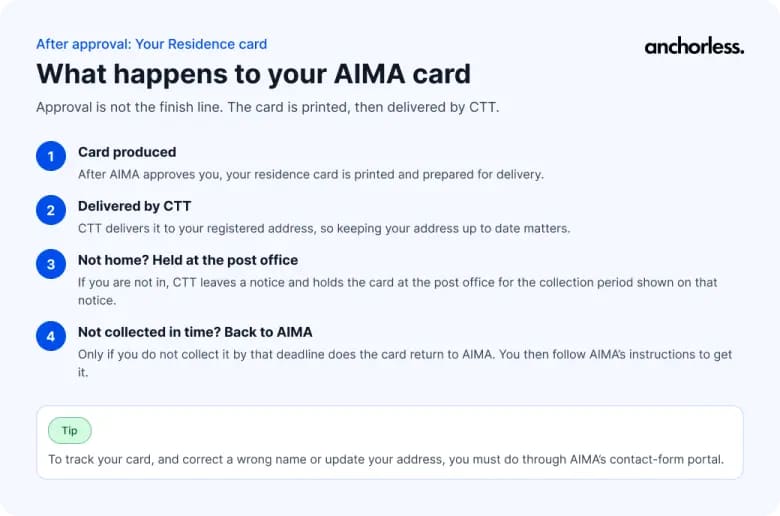
- Posta İdaresi CTT kargoyu teslim edemezse, bir uyarı bırakır ve kartı postaneye bırakır gösterilen toplama penceresinde;
- yalnızca o fırsatı kaçırırsanız dijital göçebe vizesi içinkart AIMA'ya geri gönderilir, ardından bir tahsilat bildirimi yayınlar.
Bu bekleme süresiöngörülemezdir, bazen günler bazense aylar sürebilir. Bu nedenle AIMA kayıtlarında adresinizi güncel tutun ve iletişim formunu kullanın.
Yenileme başvurusu beklerken, hem süresi dolmuş belgeyi hem de başvuru alındısını yanınızda bulundurun (altı aylık devam koşulu yenileme bölümünde açıklanmıştır).
AIMA sürecinizde bir sorun yaşanırsa ne olur?
Çoğu AIMA sorunları birkaç kalıba uyar, ve her birinin hukuki bir mücadeleye dönüşmeden çok önce ücretsiz ilk adımı vardır.
Bu, dosyanızın nerede olduğunu bilmek ile bir avukata ödeme yapmak arasındaki pratik katmandır: genellikle sorunun ne olduğunu, hangi kanaldan çözülebileceğini ve gecikmenin normal olmaktan çıktığı noktayı.
Randevu gelmez ya da randevu ayarlayamazsınız
Denemek mümkün AIMA İletişim Formu üzerinden yeniden gönderin ve seçtiğiniz seçeneğin tam olarak durumunuza uygun olduğunu doğrulayın, çünkü yanlış bir seçim talebinin hiç kimse tarafından okunmayan bir kuyruğa düşmesine neden olur.
İlk bir sessizlik henüz bir sorun değildir; birçok başvuru sahibi uzun bekleme sürelerinin ardından randevuyu almış ve bazen yeniden talep etmek zorunda kalmıştır.
Türkiye vizenizin süresi dolduğunda ve AIMA’dan randevu talebinize ilişkin herhangi bir yanıt ya da tarih görünmediğinde ciddi bir sorun haline gelir, ya da karar verme süresi doldu ve herhangi bir yanıt alınamadı, bu durumda kaçırılan son tarih, beklemektense bir avantaja dönüşür.
Başvurunuz onaylandı, ancak kart henüz elinize ulaşmadı
Bir 'Deferido' kararı ve elinizdeki kart farklı zamanlarda işlerve çoğu kişi burada takılıp kalır.
Adresiniizi güncel tutun, CTT’nin kargoyu teslim etmesini sağlayın, kartı izleme aracıyla takip edin ve onaydan sonraki bekleme süresini haftalar değil, aylar olarak ölçüntakıldığını varsaymadan önce.
Gerçekten tıkanmışsa, aşağıda belirtilen son tarih yoluna başvurulur.
“Em Revisão” durumunda yenilemenin tıkanması
"Em Revisão" durumundaki bir yenileme genellikle neredeyse her zaman şu şekilde gerçekleşir:vergi dairesi ve Sosyal Güvenlik Kurumu tarafından yapılan otomatik kontrolde tespit edilen bir uyumsuzluk, ret anlamına gelmez.
Portal das Finanças üzerinden temiz olduğunuzu teyit edin Portal das Finanças ve Segurança Social Diretatutun NIF aktif ve NISS kayıtlı tutun ve sertifikalarınızı saklayın, çünkü çoğu sistemler senkronize olduktan sonra temizleniyor.
A onaylanmış borç, gerçekten yenilemeyi engelleyen tek şeydir, bu yüzden önce onu halledin ve sistem temiz olduğunuzu gösterdikten haftalar sonra bile mesaj donuk kalıyorsa ciddi bir sorun olarak değerlendirin.
Kartınızı kaybettiniz ya da çalındı
Kayıp veya çalınan bir kart ne yenileme ne de yeni bir izindir; o bir segunda viaolarak adlandırılan, aynı belgeye ait ikinci nüshadır ve kendi prosedürüne tabidir.
AIMA İletişim Formu üzerinden talep edin, 'Oturma İzni Yetkilendirmesi' ve ardından 'İkamet Kartı/Senedinin 2. nüshası' seçeneklerini seçerek, pasaportunuzun ve mevcut ikamet senedinizin birer kopyasıyla birlikte, ayrıca bir polis raporu ('participação policial') kayıp veya hırsızlık durumunda.
Her şey ters gitmeden önce dikkat edilmesi gereken bir husus var: Başvuru formunu doldurmaya bile başlamadan önce, kartınızın her iki yüzünün de fotoğrafını çekin; aksi takdirde, başvuru sırasında başlığı kaydedemeyeceksiniz.
Ücret tamamen yeni bir izin değildir, yalnızca başvuru ücretinin bir kısmıdır ve yukarıdaki diğer maliyetlerle birlikte belirtilmiştir. Ayrıca, *segunda via* sadece yenilemeye yakın olmayan kartlar için geçerlidir; yenileme penceresine girdiğinizde, yenileme yaparsınız, yeniden çıkartma değil.
Kaçırılan veya ertelenen randevu
AIMA, e-posta yoluyla tarihleri gönderir ve değiştirir, bazen garip saatlerde ve önceden haber vermeden, bu yüzden kaçırılan bir randevu genellikle kaçırılan bir e-postaya denk gelir.
Beklenen tarih civarında spam klasörünüzü kontrol edin, ve eğer yer gerçekten dolmuşsa, raynı iletişim formu seçeneği üzerinden yeni bir randevu talep edin yeni bir yerde başlamak yerine daha önce kullandığınızı tercih edin.
Tüm onayları saklayın, çünkü e-posta kayıtları size bulunduğunuz konum hakkında sahip olduğunuz tek kayıttır.
Kartınızdaki yanlış veriler veya adres değişikliği
Kartta hata gösteriyorsa ya da adresiniz, pasaportunuz veya medeni durumunuz değişirse, bunu AIMA İletişim Formu üzerinden düzeltmeniz gerekmektedir, artık adres değişikliği işlemi çevrimiçi olarak da yapılabilmektedir.
Bilmeniz gereken bir diğer önemli nokta: hata AIMA'nın kendi hatasıysa ve kartı teslim aldıktan sonraki 30 gün içinde şikayette bulunursanız, düzeltilmiş kart yeniden verilir ücretsizdir (72. madde, 84/2007 sayılı Kararname-Yönetmelik), kayıp kart yenilemesine kıyasla, ki bunun için ücret ödersiniz.
Bu ev idaresi değil: birEski bir adrese gönderilen bitmiş kartın yanlış yere teslim edilmesine ve ardından iade edilmesine ya da tutulmasına yol açan yaygın bir nedendir.
Sürekli ikamet kartı özellikle üzerinde yer alan bilgiler değiştiğinde güncellenmesi gerekmektedir.
60 dakikada, lisanslı göçmenlik uzmanımız en iyi stratejinizi açıklayarak tüm sorularınıza cevap verir
Taşınmanız için en iyi strateji ve vize kategorisini belirleme konusunda yardımcı olun
Durumunuz, hedefleriniz ve özel sorularınıza göre özel olarak hazırlanmış göçmenlik hukukçumuzun rehberliği
AIMA süreci için ne zaman avukat tutmak gerekir?
AIMA sürecinin çoğunu kendiniz halledebilirsiniz, ücretsiz kanallardan.
Bir avukat, göçmen gruplarında sürekli karşılaşılan iki durumda maliyeti karşılar:
- durumunda randevu almakta tamamen başarısız olduğunuz,
- veya randevu aldığınız ayrıca onaylanmış olmasına rağmen kartın aylarca gelmemesi.
Aşağıda yer alan her şey bu durumlardan birinde olup olmadığınıza karar vermeyle ilgili.
Bir avukat ne zaman gerçekten yardımcı olur?
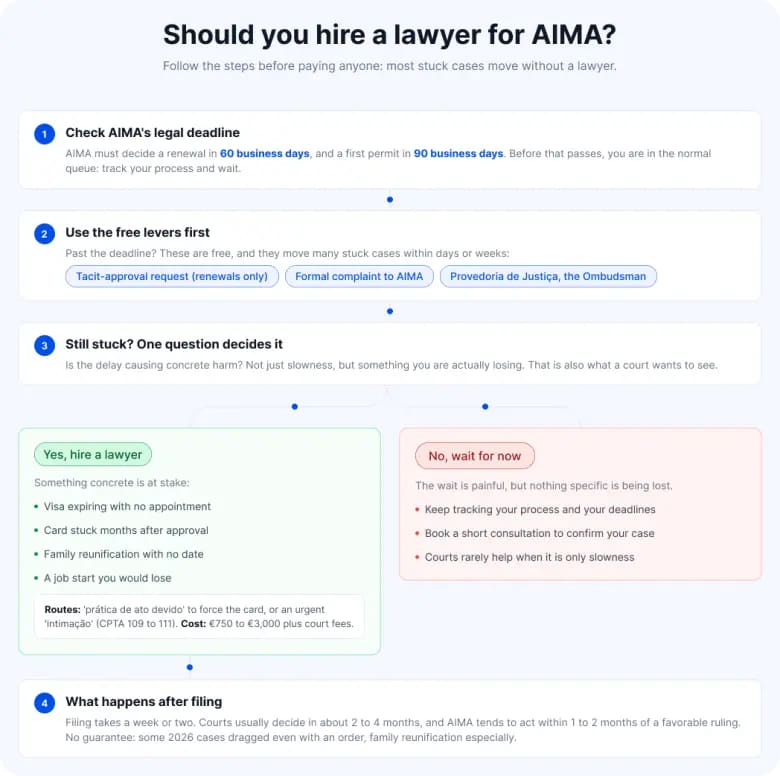
A avukat durumunda yardımcı olur AIMA'nın yasal süresini kaçırdığı ve somut bir çıkar söz konusu olduğu durum.
Mahkemelerin aradığı iki koşul bunlardır veaynı zamanda bir avukatın ilerletebileceği bir dava ile beklemek zorunda kalacağınız bir dava arasındaki farkı da oluştururlar.
Bir avukat aracılığıyla AIMA randevusu almak aslında AIMA'nın randevu vermesini mahkemenin emretmesini sağlamaktırkartın hızlandırılması mahkemeden AIMA'nın çıkarmasını emreden karar alınması zaten sana borçlu olduğu şeyler.
Hangi son teslim tarihi benim lehimime çalışır?
Durumunuz, aşağıdakilere bağlıdır: yenileme veya ilk kez başvuru yapmave insanlar ikisini de karıştırır.
Yenilemeler: 60 iş günü karar süresi
Yabancılar Kanunu'na göre, AIMA'nın bir yenileme talebine karar verme süresi 60 iş günüdür.
2026 yılının ikinci yarısına kadar bu sessizlik zımni onay olarak kabul edilmekteydi, ancak 62/2026 Sayılı Kanun, 11 Eylül 2026 tarihinde otomatik onayı kaldırdı.
Süre hala geçerlidir; yenileme artık yalnızca 60 gün geçtiği için onaylanmamaktadır.
Bu nedenle kaçırılan 60 günlük süre onay değil, fırsatşudur: şikâyet hakkı ve AIMA sessiz kalırsa, kararı mahkemeye başvurarak talep etme hakkı.
İlk başvurular: 90 iş günü karar verme süresi
İlk izin için 90 iş günü süresi, bir karar verme süresidir, otomatik onay değildir.
Portekiz mahkemeleri, ilk bir izin başvurusunun yalnızca 90 günün geçmesi nedeniyle verildiği fikrini reddetmiştir.
Yine de, kaçırılan süreç, ertelemenin size sağladığı avantajı kullanarak gerekirse, bir mahkemeden karar alınmasını talep etme hakkını verir.
Süreyi nasıl baskı aracı olarak kullanabilirim?
Son tarih ancak başvurduğunuzda geçerlidir.
Aşağıdaki sıralama, göçmenlik avukatları ve topluluk tarafından paylaşılan ve ücretsiz adımların ilk sırada yer aldığı sıralamadır.
Nasıl ilerleyebilirsiniz: başvuru, ardından Provedoria, ardından mahkeme
Başlangıç olarak, AIMA'ya resmi bir talep veya şikâyetle başlayın, geçmiş olan süreyi gerekçe göstererek, temas formunu kullanarak kayıt altına alın.
Eğer herhangi bir ilerleme kaydedilmezse, konuyu Adalet Müfettişliği, Ombudsman, ücretsizdir ve takılı kalan dosyaları ilerletmiştir.
Mahkeme son adımdır ve para ödenen tek yerdir.
İki farklı dava yolu
Bir avukatın hangi işlemi başvuruya dahil ettiği hedefinize bağlıdır.
'Uygulanması gereken eyleme zorlama davası'
Bu yol şu şekilde ilerler AIMA'nın zaten size borçlu olduğu kararı ya da kartı zorla almak.
Mahkeme AIMA'yı yasal olarak yapması gereken işlemi gerçekleştirmeye zorlar, bu genellikle onaylanmış bir yenileme için tipik bir eylemdir (kart olmadan) ya da 90 günden uzun süredir karar bekleyen ilk başvurular için geçerlidir.
'Temel hakların, özgürlüklerin ve garantilerin korunmasına yönelik ihtarname'
Bu, ivedi yol (CPTA’nın 109 ila 111. maddeleri uyarınca), gecikmeye karşı bir koruma tedbiri için.
AIMA'nın geciktiği durumlarda bu durum otomatik olarak gerçekleşmez :mahkemeler, başvurucunun acil bir karar alınmasının somut bir hakkın korunması için zorunlu olduğunu kanıtlamadığı intimações taleplerini reddetmiştir.
Bu nedenle, gecikmenin gerçek ve kanıtlanabilir bir zarara yol açtığı durumlarda dava en güçlü hâle gelir.
Bir avukatın ücreti ne kadardır ve süreç ne kadar sürer?
2026 yılında göçmenlik firmaları tarafından belirtilen fiyatlara göre avukat ücretleri yaklaşık 750 € ile 3.000 € arasında değişmektedir; karmaşık durumlarda daha yüksek olup, ayrıca mahkeme harçları ('taxa de justiça') da eklenir.
Başvurunun tamamlanması bir ila iki hafta, dava sürecinin tamamlanması ise yaklaşık iki ila dört ay sürer; AIMA ise genellikle lehine karar verilen bir dava sonrasında bir ila iki ay içinde harekete geçer
Bu tahminleri genel birer kılavuz olarak değerlendirin: 2026 yılında karara bağlanan bazı davaların aylarca çözümsüz kaldığı görülmektedirve aile birleşimi süreci, karar çıkmış olsa bile uzayabilir.
Ne zaman değerlidir ve ne zaman değildir?
Aşağıdaki durumlarda değerlidir: kesin bir son tarih ya da somut bir zarar söz konusu olduğunda.
Bu da demek oluyor ki, zaten süresi dolmuş bir izin söz konusu. yasal statüden çıkma ve bunun sonuçlarıyla karşılaşma, işe başlama tarihini kaçırmak, aile bireylerini bir araya getirecek aile birleşimi randevusunun hiç gelmemesi ya da aylarca bekleyen bir kart yüzünden seyahat edememek ya da statünüzü kanıtlayamamak gibi durumlar;
Nedir genellikle vize süresinin dolmasına yakın ya da çoktan dolmuş olması randevu alınmamış olmasıyla haklı gösterilemez. 2026 yılında bu durum yaygın bir deneyimdi ve başvuru sahipleri genellikle sadece bekleyerek ve talebi yeniden göndererek randevu alabiliyorlardı.
İşte avukat davası, aylarca süren yanıtsızlıklar ve belgelenmiş girişimlere rağmen ilerleme kaydedilmediğinde, ya da gerekçelendirilebilir zarara yol açtığında durumunu gösterebilirsiniz.
Normal sırada bekliyorsanız, belirli bir son tarihiniz yoksa ve somut bir zarar söz konusu değilse, genellikle buna değmez.
Kısa süreli ücretli durumunuza uygun en akıllıca ilk adım bir danışmanlık görüşmesi almanızdır, ve size beklemenizi tavsiye eden bir avukat size faydalı bilgiler sunuyordur.
AIMA hizmetleriyle ilgili birçok bilgide ya da hizmetlerde hâlâ Portekiz’in eski SEF terimleri kullanılmaktadır.
AIMA başvuru dosyanızı inceletin
AIMA dosyanızı Portekiz Barosu tarafından tanınan bir Portekizli avukat tarafından inceletin
AIMA başvurumu incelet
Portekiz Göçmenlik Avukatı tarafından inceleme
100% uzaktan çalışma, 3 iş günü içinde geri bildirimlerle
2026'da AIMA'daki güncellemeler neler?
2026'daki en son AIMA haberlerinde birikmiş başvurular, yenilemeler, kart takibi, aile birleşimi ve NISS öne çıkıyor.
Aşağıda son değişiklikleri biraz daha ayrıntılı ele aldık.
Birikmiş başvurularla ilgili ne oldu?
En önemli AIMA güncellemesi, devralınan başvuru birikiminin büyük ölçüde temizlenmiş olmasıdır.
AIMA'nın iyileştirme görev gücü ('Estrutura de Missão'), 2025 ortasındaki dönüm noktasında, yaklaşık bir milyon devralınan başvuru arasından 525,000'den fazla dosyanın karara bağlandığını ve yaklaşık 458,000 oturum kartının verildiğini bildirdi; ek kontroller gerektiren karmaşık dosyalardan ise az sayıda dosya kaldı.
Bu görev gücünün çalışmaları 2025'in sonunda sona erdi; bu nedenle bu rakamları güncel bir sayaç olarak değil, belirli bir tarihe ait anlık görüntü olarak değerlendirin. Ayrı bir yargı görev gücü ise 2026 boyunca farklı bir mahkeme dosyası birikimini temizliyor.
Golden Visa ARI yatırımı başvuruları 2026 boyunca işleme alınmaya devam ediyor. AIMA ayrıca bekleyen bir başvurunuzun bulunmasının sizi düzensiz durumda bırakmadığını vurguluyor.
“Birikmiş dosyaların sonuçlandırılması” gerçekte ne anlama geliyor
Açıkça belirtelim: Bu, AIMA’nın hiç bekleyen dosyası olmadığı anlamına değil, ‘manifestações de interesse’ başvurularından ve eski dosyalardan oluşan geçmiş başvuru kuyruğuna işaret eder.
Eski yenilemeler ve daha önce açılmış dosyalar hâlâ beklemede olabilir; bu rehberdeki bildirimler de bunu gösteriyor.
Dikkat edilmesi gerekenler (karara bağlanması kartın hazır olduğu anlamına gelmez; randevu ve teslimat hâlâ yavaş)
Gerçekçi plan yapabilmeniz için iki noktaya dikkat edin.
- İlk olarak, bazı göçmenlik avukatları rakamlara itiraz ediyor; karar verilmiş bir dosyanın kartın kişinin elinde olduğu anlamına gelmediğini ve kartın fiziki teslimatının hâlâ yavaş olduğunu belirtiyorlar.
- İkinci olarak, hâlâ sorun teşkil eden iki konu olan randevu alma ve kartı teslim alma sorunu devam ediyor: 2026’nın ortalarında bazı göçmenler, ilk randevularının neredeyse bir yıl sonrasına verildiğini ve bu tarihin D vizelerinin geçerlilik süresinin sona ermesinden sonraya denk geldiğini bildirdi.
Yenilemelerde neler değişti?
Yenileme Portalı her ay kademeli olarak açılıyor ve 2026'nın ortalarına gelindiğinde oturum sahipleri, o yılın sonuna kadar süresi dolacak kartlar için başvuru yapabiliyordu; bu, eski süresi dolana kadar bekleme yaklaşımından belirgin bir değişimdi.
Uygulamada iki farklı hız söz konusu: 2025'in ortasından sonra süresi dolan kartlar, basit durumlarda portal üzerinden birkaç gün içinde işleme alınıyor. Buna karşılık, bu tarihten önceki eski dosyalar için bekleme süresinin bir yıl veya daha uzun olduğu hâlâ bildiriliyor.
Yanıt bekleyen sorular, erken yapılan başvurunun fiziksel karta ne kadar hızlı dönüştüğü ve yenileme bölümünde açıklanan AT/SS doğrulama eşitlemesi. 2026'daki birçok yenileme işlemi bu aşamada takılıyor.
Kart takibi
AIMA'nın iletişim formu portalından erişilebilen ve hâlâ test aşamasında olan takip aracı, karar aşamasından kartın basımına, gönderilmesine ve teslim edilmesine kadar süreci takip etmenizi sağlar; kart için bir takip kodu da sunar.
Bu gerçek bir ilerleme, ancak henüz kusursuz bir bilgi kaynağı değil: AIMA'nın farklı kanalları (Yenileme Portalı, iletişim formundaki durum bilgisi ve fiziksel kart) her zaman eş zamanlı güncellenmiyor.
2026'da başvuru sahipleri, portalda aylarca 'Deferido' yazdığını, ardından durumun 'Pedido em Avaliação' olarak değiştiğini; buna karşın iletişim formunda hâlâ 'Cartão em produção' yazdığını gördü. Bazıları ise kartı teslim almış olmasına rağmen durum bilgisinde hâlâ 'under review' yazdığını gördü.
Bilgi sahibi olmak için takip aracını kullanın ve tek bir durum değişikliği karşısında paniğe kapılmayın.
Teslimatın kendisi iki aşamadan oluşur. CTT teslimatı yapamazsa bir bildirim bırakır ve kartı, belirtilen teslim alma süresi boyunca postanede tutar; kart ancak bu süre içinde teslim alınmazsa AIMA’ya geri gönderilir ve AIMA ardından teslim alma bildirimi düzenler.
Bu ikinci bekleme süreci öngörülemez; birkaç günden birkaç aya kadar sürebilir. Bu nedenle iletişim formu aracılığıyla AIMA kayıtlarındaki adresinizin güncel olmasını sağlayın.
Aile birleşimi
2025’in sonlarında çıkarılan bir yasa (61/2025 sayılı Yasa) kuralları sıkılaştırdı ve AIMA, belirlenen süreler içinde iletişime geçileceğini vadeden randevu planlama e-postaları göndermeye başladı.
Uygulamada bu, AIMA’nın en az öngörülebilir alanlarından biri olmaya devam ediyor: 2026’nın ortalarına gelindiğinde başvuru sahipleri, olağan kanallar üzerinden randevu alamadıklarını ve mahkeme kararıyla desteklenen başvuruların bile randevu tarihine dönüşmesinin aylar sürdüğünü bildirmeye devam ediyordu.
Beklediğiniz dosya bir aile birleşimi dosyasıysa, yukarıdaki avukatlar bölümü diğer tüm konulardan daha fazla sizin için geçerlidir.
NISS
2025’in sonlarından beri NISS, ikamet başvurusunu ilerletmek için pratikte bir gereklilik hâline geldi.
2026 yılının ortalarından itibaren AIMA ve Segurança Social, doğrudan bir dijital bağlantı kurdu. Böylece bir kişi, statüsünü düzenleme süreci kapsamında AIMA’ya başvurduğunda NISS gerçek zamanlı olarak tahsis edilebiliyor.
Bu uygulama her AIMA randevusunu değil, statü düzenleme başvurularını kapsıyor ve hâlâ yeni: nasıl tutarlı biçimde işlediği veya ilk başvuruların yanı sıra yenilemeleri de kapsayıp kapsamadığı, raporlarla henüz netlik kazanmış değil.
Şimdilik otomatik NISS tahsisini prosedüre bağlı kabul edin ve mümkünse NISS’nizi önceden alın.
AIMA Portugal özeti
AIMA, 2026 yılında, geçmişteki yoğunluk nedeniyle manşetlere çıkan kurumdan tamamen farklı bir yapıya sahip.
Kurumun kendi verilerine göre, geçmişteki kuyrukların çoğu temizlendi; bekleyen bir dosya artık sizi düzensiz bir durumda bırakmıyor ve yeni araçlar sayesinde kartınızı bile takip edebiliyorsunuz — ancak sürtüşme sadece yer değiştirdi, ortadan kalkmadı. Değişmeyen şey ise konumu: randevu almak, bir yetkiliye ulaşmak ve fiziksel kartı teslim almak.
Bu nedenle, tedbirli olun: vizenizin zaten bir randevu içerdiğinden emin olun, ücretsiz resmi kanalları kullanın (kestirme yollara para ödemeyin), bu ay işe yarayan yöntemler için topluluk forumlarını takip edin ve NIF, NISS, adres ve belgelerinizi düzenli tutun.
AIMA’dan geçmek, Portekiz’e taşınmanın en zorlu kısımlarından biri olmaya devam etse de, çözülebilir bir süreç: dosyanızı hazırlayın, hangi kapıyı çalacağınızı bilin ve oturum iznini tek bir endişeli randevu olarak değil, istikrarlı bir şekilde yönetilmesi gereken bir süreç olarak ele alın.
Bu makaleyi paylaşın